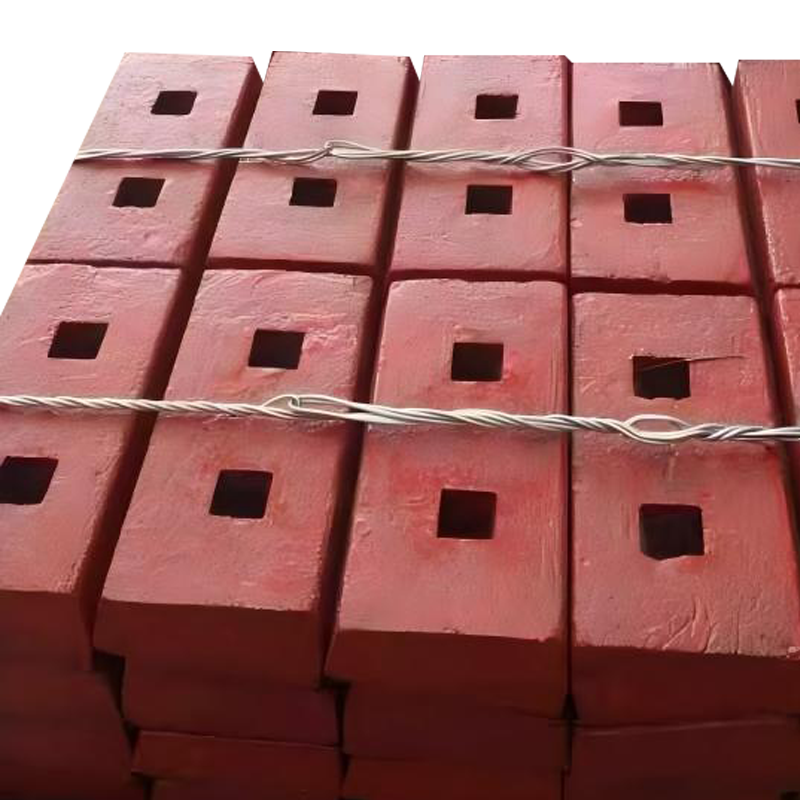
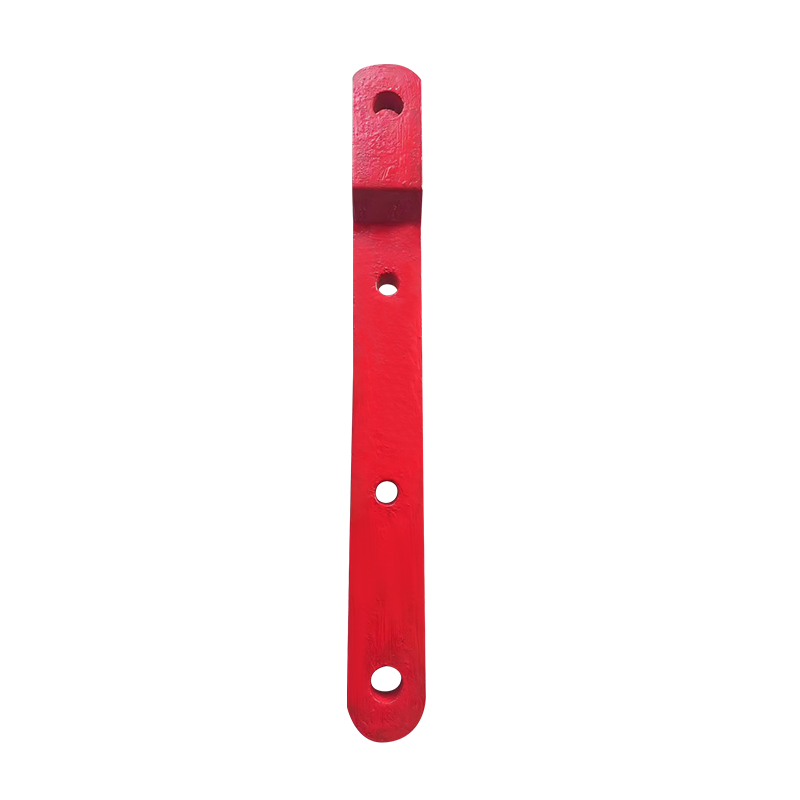
Importance of Heat Treatment
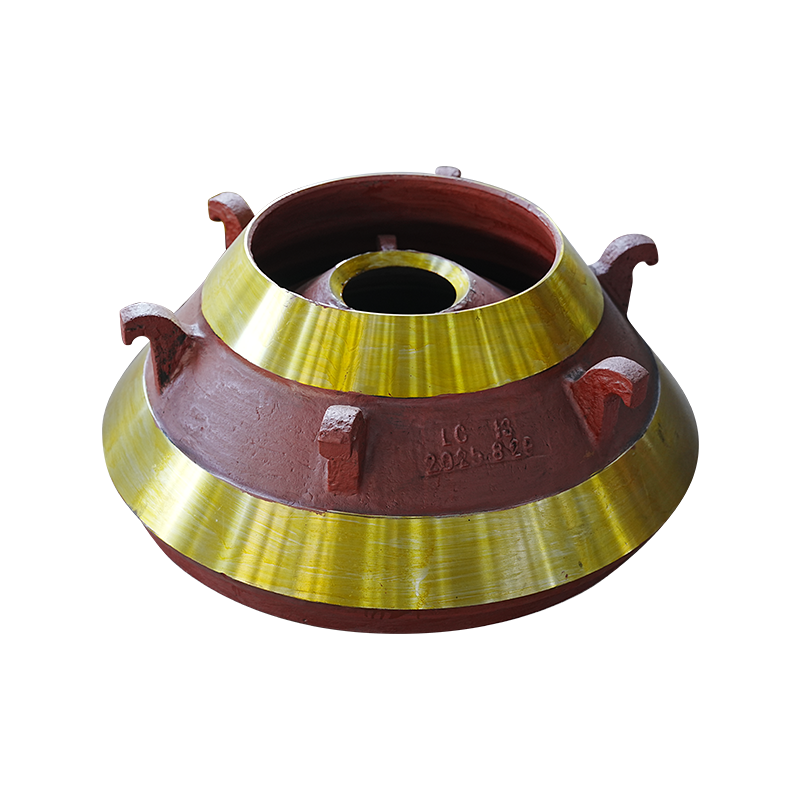
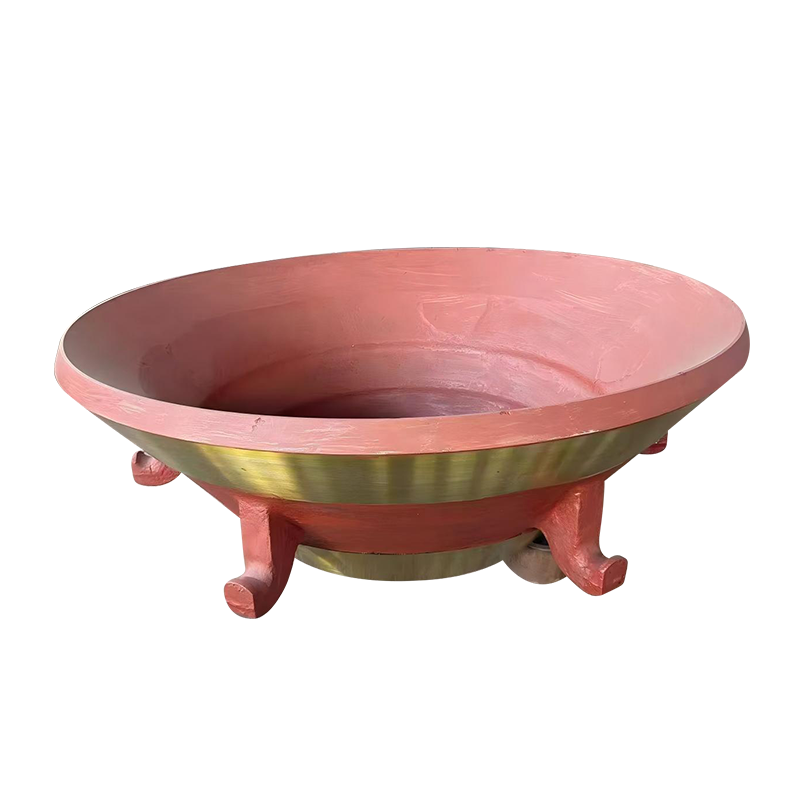
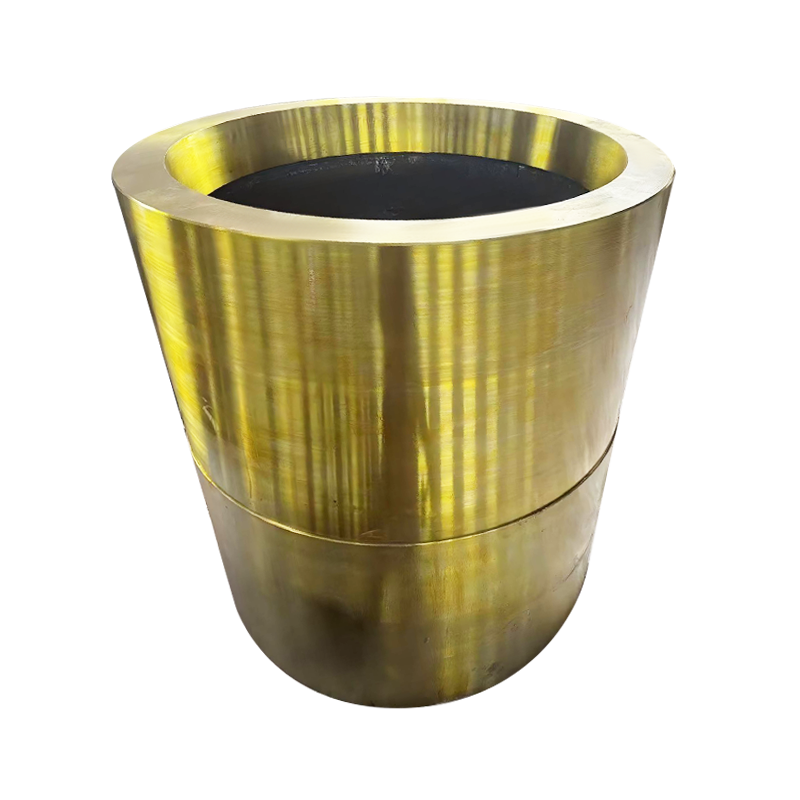
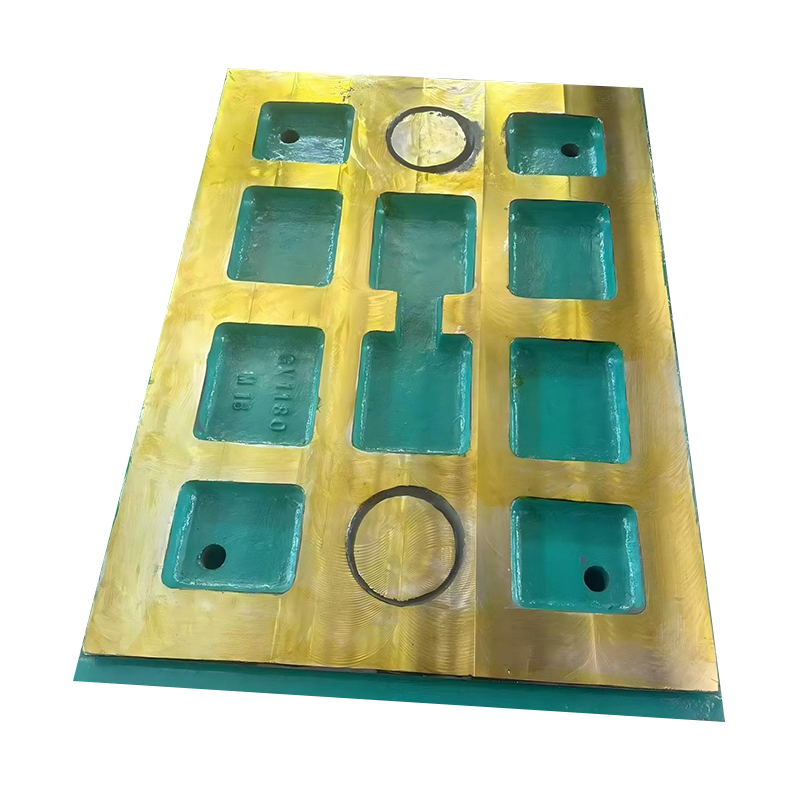
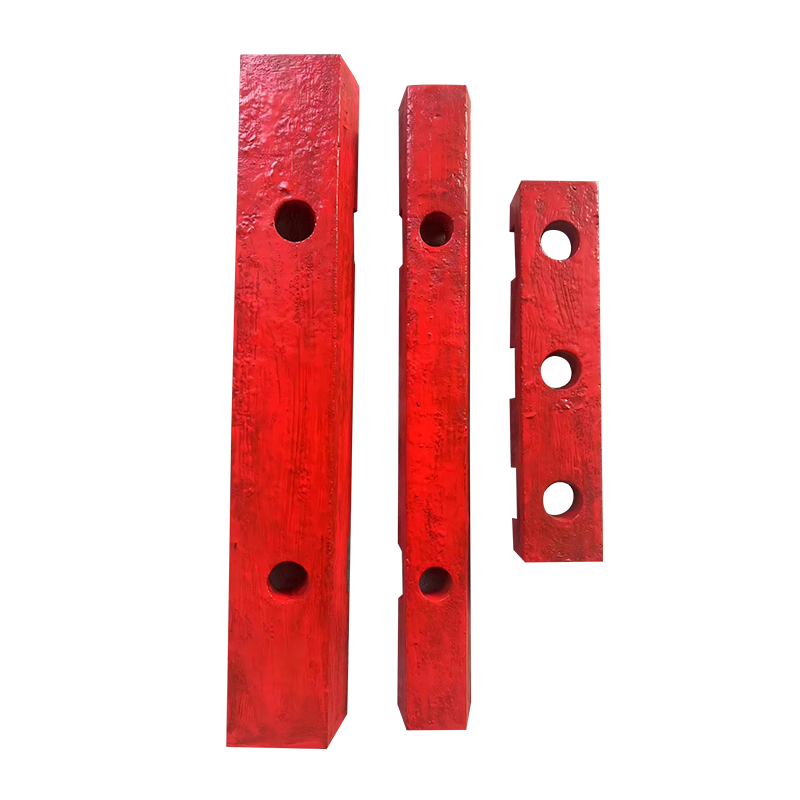
The mechanical performance and durability of High Chromium Cast Iron Fittings largely depend on their heat treatment process. Proper heat treatment enhances hardness, wear resistance, toughness, and overall service life. Understanding the procedures and techniques involved ensures that these fittings perform well in heavy-duty and high-wear applications such as mining, cement production, and material handling.
Pre-Heat Treatment Considerations
- Material Inspection: Before heat treatment, castings are inspected for defects such as porosity, cracks, or inclusions. Ensuring the integrity of the raw material prevents failures during subsequent processing.
- Surface Preparation: Surfaces may be cleaned and deburred to eliminate impurities that could interfere with uniform heating.
- Dimensional Accuracy: Some components are rough-machined to accommodate thermal expansion during heating and prevent distortion.
Austenitizing Stage
- Heating Temperature: High chromium cast iron fittings are heated to a high temperature, typically between 950°C and 1050°C, depending on the alloy composition.
- Uniform Heating: Even temperature distribution is critical to avoid internal stresses and achieve a consistent microstructure.
- Formation of Austenite: The high-temperature stage transforms the microstructure into austenite, which sets the stage for subsequent hardening processes.
Quenching Process
- Rapid Cooling: The heated fittings are rapidly cooled in oil, water, or specialized quenching solutions to harden the material.
- Controlled Cooling Rate: Quenching speed is carefully controlled to prevent cracking or warping, particularly in complex geometries.
- Microstructure Transformation: This process converts austenite into martensite, providing the high hardness and wear resistance characteristic of these fittings.
Tempering Stage
- Reheating: After quenching, the fittings are reheated to a moderate temperature, typically between 150°C and 600°C, depending on the desired toughness.
- Stress Relief: Tempering reduces internal stresses created during quenching, lowering the risk of brittle fracture.
- Balancing Hardness and Toughness: This stage ensures that the fittings maintain adequate toughness while preserving wear resistance.
Surface Hardening Techniques
- Induction Hardening: Some high chromium cast iron fittings undergo induction hardening to enhance surface wear resistance without affecting the core toughness.
- Carburizing or Nitriding: In specialized cases, surface layers may be enriched with carbon or nitrogen to further improve hardness and abrasion resistance.
- Layer Uniformity: Surface hardening is carefully controlled to ensure a uniform hardened layer that prolongs operational life.
Quality Control and Testing
- Hardness Testing: Rockwell or Brinell hardness tests are performed to verify that the fittings meet design specifications.
- Microstructure Examination: Metallographic analysis ensures that the desired martensitic or austenitic structures are achieved.
- Wear and Impact Tests: Simulated operational tests validate the effectiveness of the heat treatment process under real-world conditions.
Benefits of Proper Heat Treatment
- Enhanced Wear Resistance: Properly heat-treated fittings withstand abrasive materials for longer periods, reducing maintenance frequency.
- Improved Mechanical Strength: Quenching and tempering increase both hardness and impact resistance, allowing the fittings to handle heavy loads.
- Extended Service Life: Components subjected to correct heat treatment processes last longer in demanding industrial environments, lowering operational costs.
- Operational Reliability: Reduced risk of cracking or failure enhances overall system reliability and safety.
The heat treatment process of High Chromium Cast Iron Fittings is a critical factor in determining their performance, longevity, and reliability. From pre-heat inspection to austenitizing, quenching, tempering, and surface hardening, each stage contributes to achieving suitable mechanical properties. Properly executed heat treatment ensures that these fittings can withstand abrasive environments, heavy impacts, and demanding operational conditions. Manufacturers and users alike benefit from improved wear resistance, toughness, and consistent quality, making these fittings a dependable choice for mining, material processing, and heavy industry applications.





 English
 中文简体
中文简体
 русский