Do Different Ores Have a Significant Impact on the Wear of the Cone Crusher Wall?
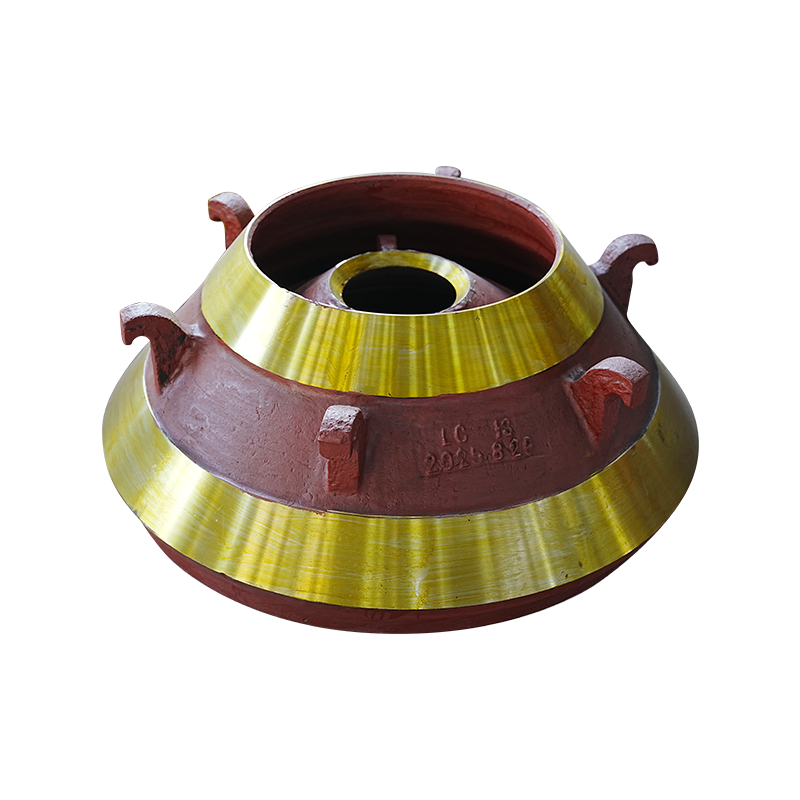
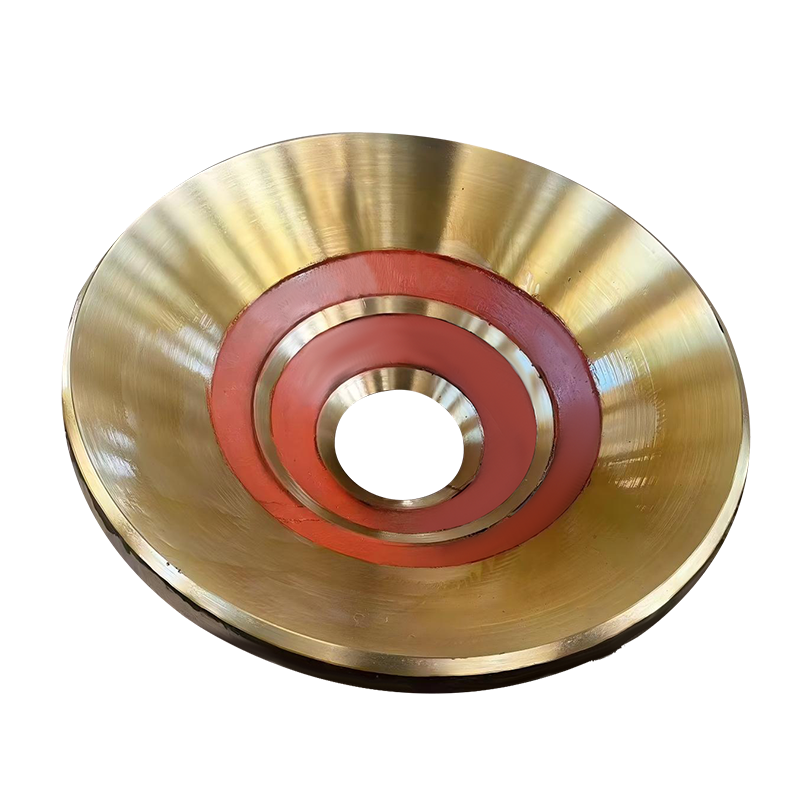
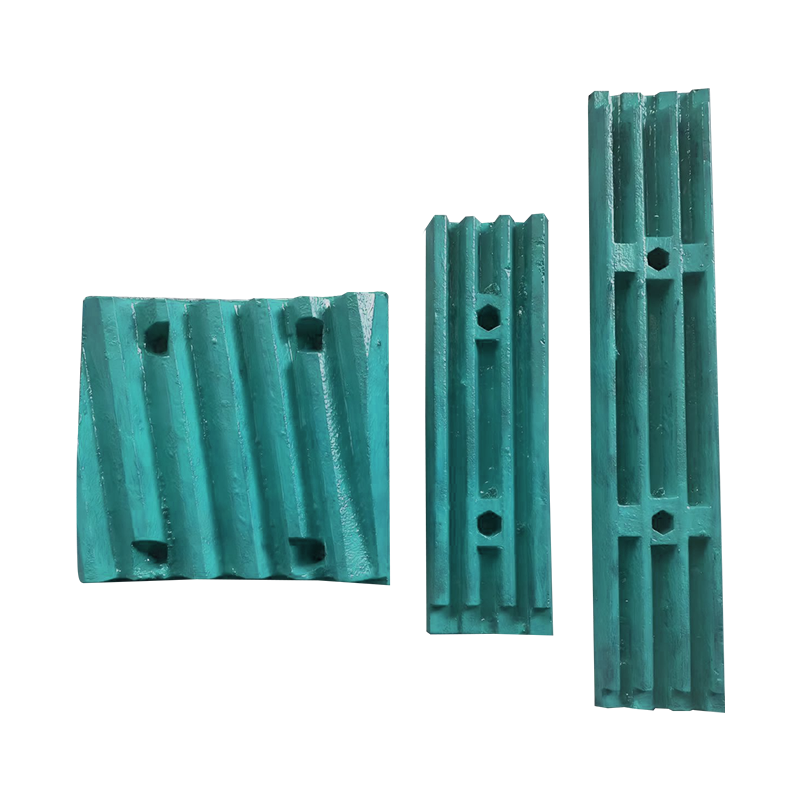
In mining and aggregate production, the wear rate of crushing components is closely related to the characteristics of the materials being processed. The Cone Crusher Wall works together with the Cone Crusher Mantle to form the main crushing chamber, and the type of ore entering the crusher can greatly influence the wear pattern and service life of these components.
1. Hardness of the Ore
Ores with higher hardness, such as granite, basalt, and quartzite, generate stronger compressive forces during crushing. These materials accelerate the wear of the crushing chamber surfaces, including the wall and the Cone Crusher Mantle Parts, which may require more frequent inspection and replacement.
2. Abrasiveness of the Material
Some ores contain high levels of silica or other abrasive minerals. These particles act like sandpaper during the crushing process, gradually grinding away the metal surface of the liner and other parts. High-abrasion materials can shorten the service life of components.
3. Moisture and Clay Content
Materials with high moisture or clay content may not directly increase wear but can affect material flow. Sticky materials may accumulate in the chamber, creating uneven pressure distribution and irregular wear patterns.
4. Feed Size and Distribution
Large or unevenly distributed feed material may concentrate pressure on certain areas of the chamber wall. Over time, this can cause localized wear and reduce the efficiency of the crushing process.
How Can the Cone Crusher Wear Wall Be Replaced Correctly?
Replacing worn crusher liners is an essential maintenance task in mining operations. A properly executed replacement procedure ensures equipment safety and helps maintain efficient crushing performance.
- Prepare the Equipment and Tools
Before starting the replacement process, the crusher must be completely shut down and disconnected from power sources. Operators should also prepare lifting equipment, safety tools, and new wear parts.
- Inspect the Crushing Chamber
After removing the worn liner, it is important to carefully inspect the chamber structure and other components. Checking the condition of the Cone Crusher Mantle Parts and surrounding elements helps identify potential damage that may affect the new installation.
- Remove the Worn Wall Safely
The worn crusher wall is usually secured by bolts or locking mechanisms. These fasteners should be removed carefully to avoid damaging the crusher frame or adjacent parts.
- Clean the Installation Surface
Before installing the new liner, the mounting surface should be cleaned thoroughly. Removing dust, debris, and old material ensures a tight and stable fit for the new wear wall.
- Install the New Wear Wall Correctly
The new liner should be positioned accurately according to the manufacturer’s guidelines. Correct alignment ensures balanced crushing forces and prevents uneven wear during operation.
How Can High-Performance Cone Crusher Wall Replacement Reduce Downtime?
In modern mining operations, reducing downtime is essential for maintaining productivity and profitability. High-quality crusher liners and efficient replacement procedures can significantly reduce maintenance time.
1. Use Durable Wear Materials
High-performance crusher walls are often made from advanced manganese steel or specialized alloy materials. These materials offer higher resistance to abrasion and impact, which extends the service life of the liner.
2. Plan Scheduled Maintenance
Instead of waiting for severe wear or failure, operators should monitor liner wear regularly and schedule replacements in advance. Planned maintenance helps avoid unexpected shutdowns.
3. Adopt Efficient Replacement Methods
Using proper lifting tools and standardized installation procedures can speed up the replacement process. A well-trained maintenance team can significantly reduce the time required to install new crusher liners.
4. Maintain Proper Crusher Operation
Stable feeding conditions and correct machine settings reduce excessive stress on the crushing chamber. This helps maintain balanced wear and prolongs the lifespan of the crusher wall.

 English
 中文简体
中文简体
 русский