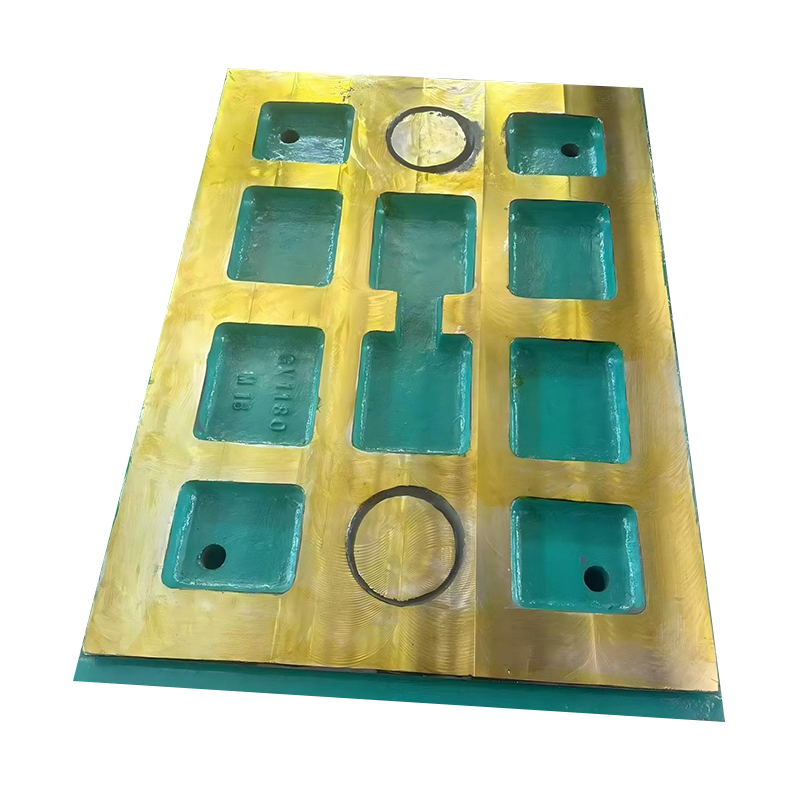
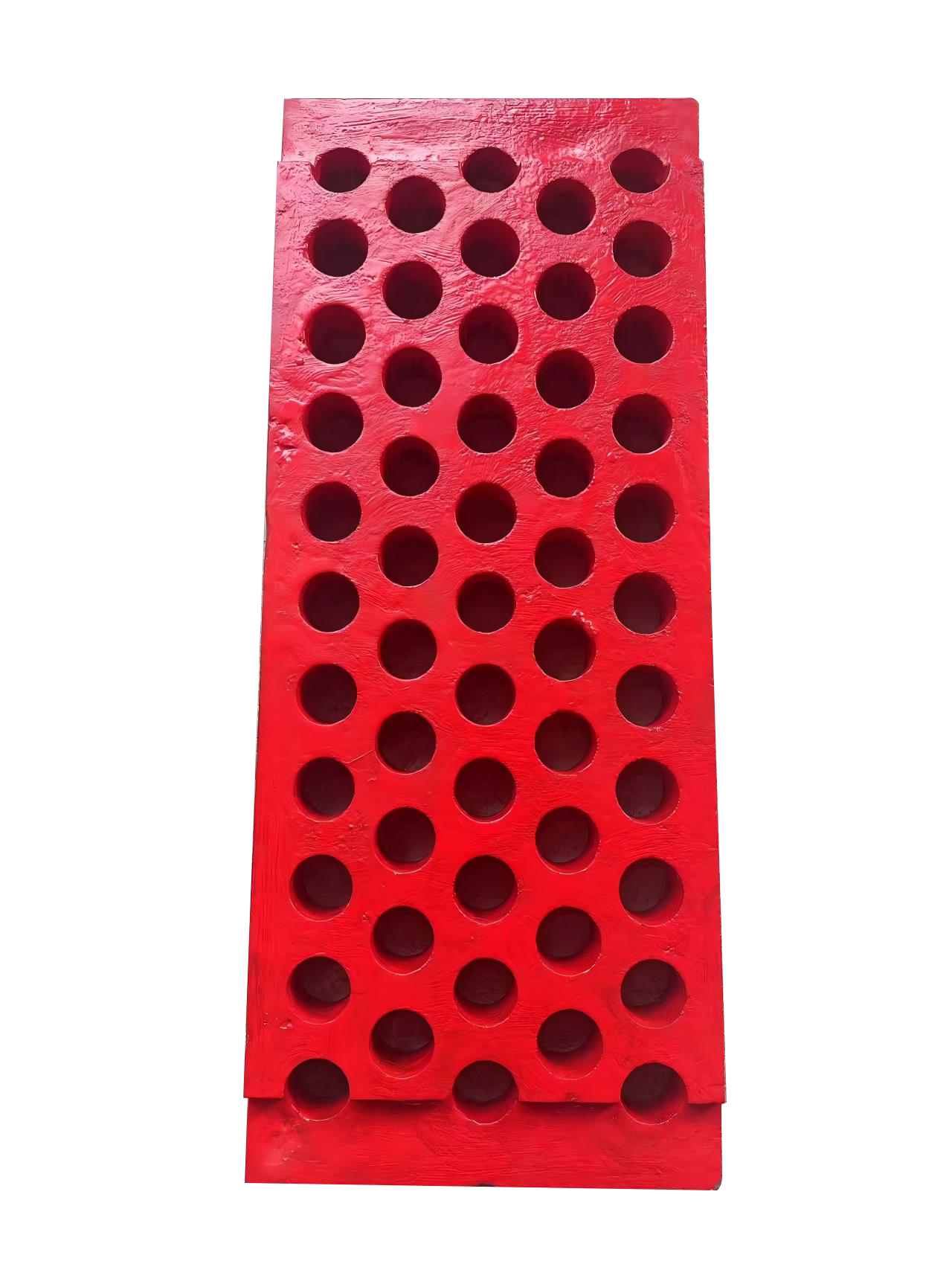
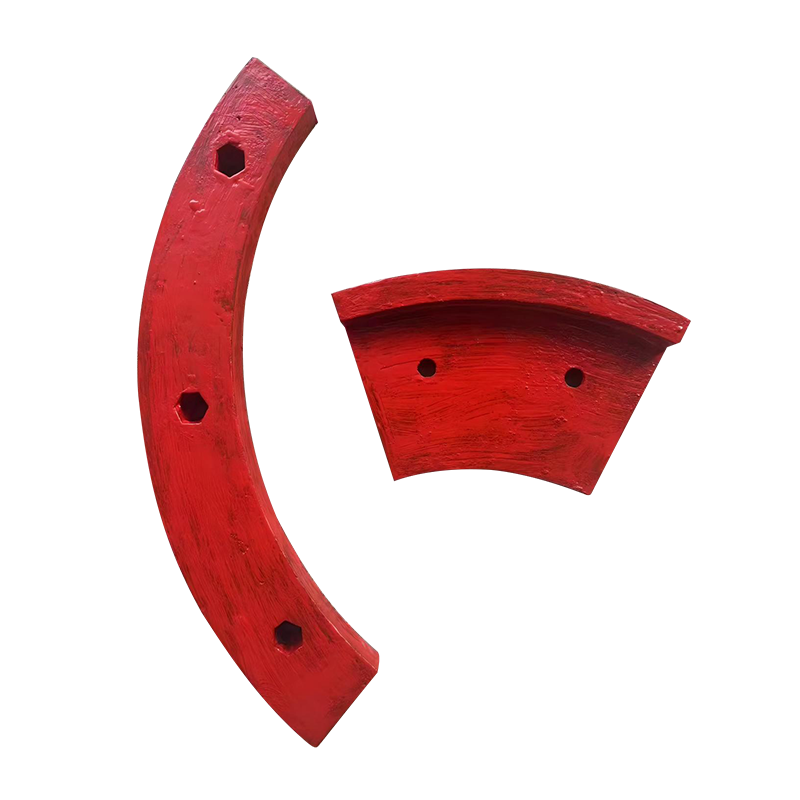
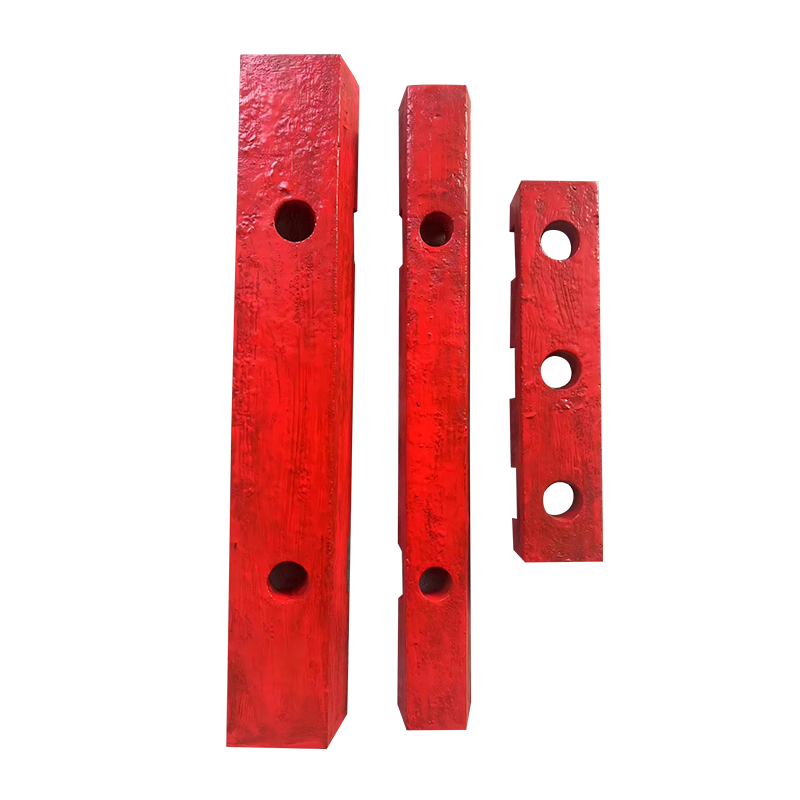
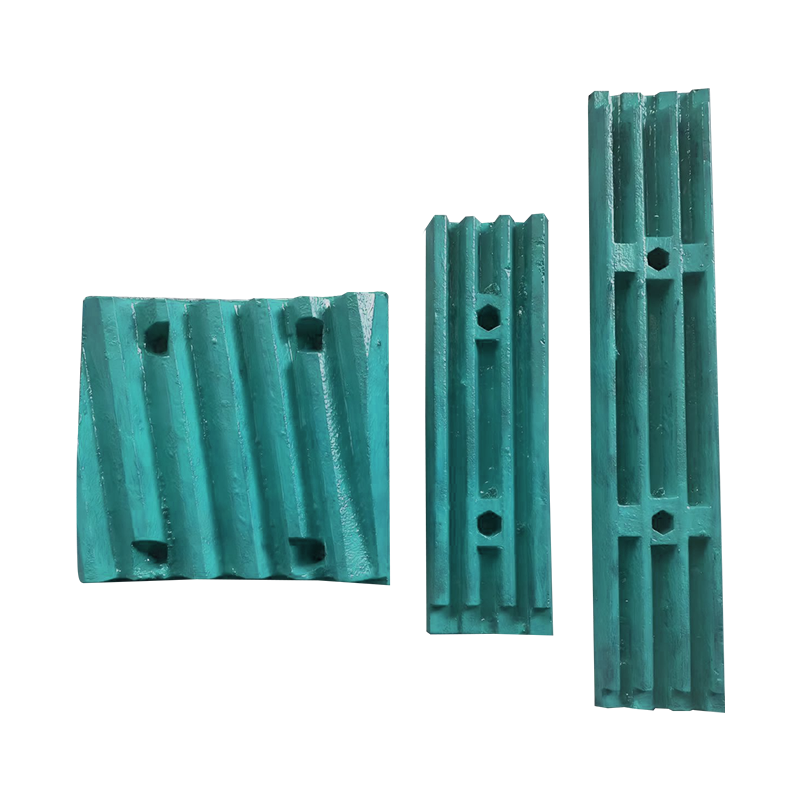
Crusher Toothed Plate Perform in Crushing High-Hardness Ores?
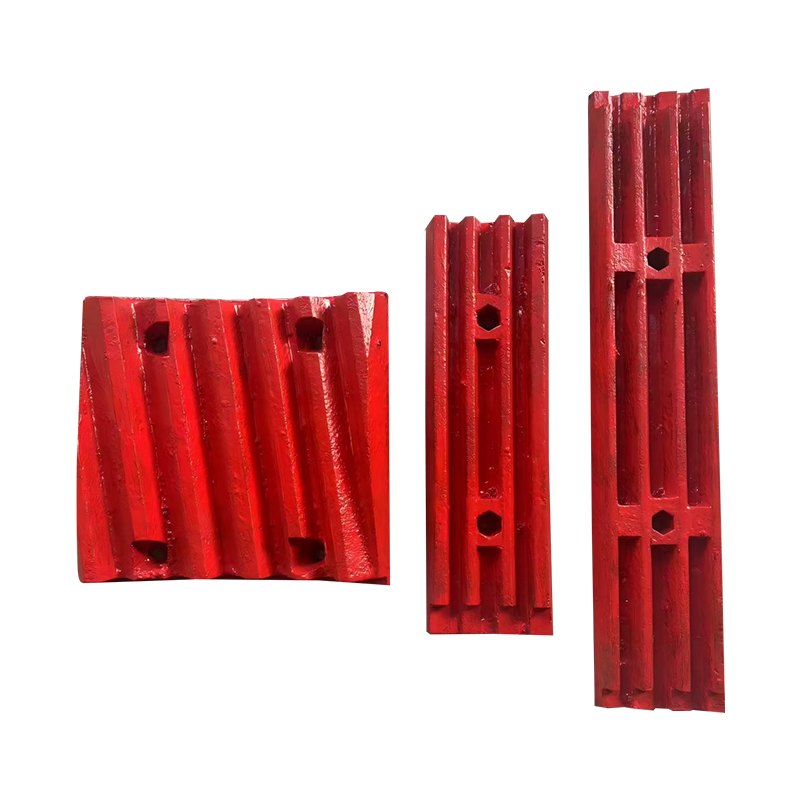
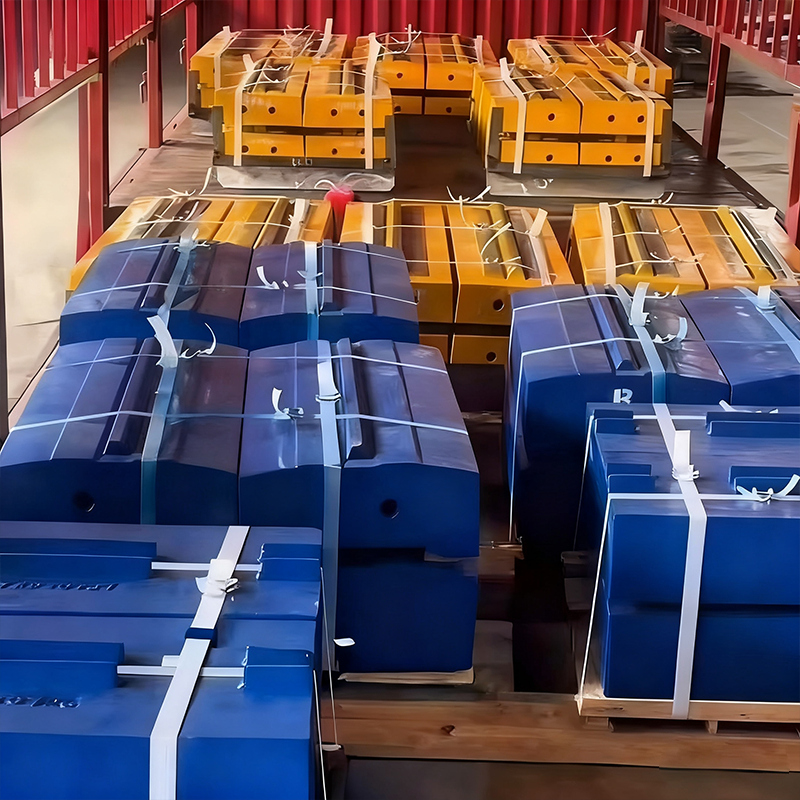
In mining and aggregate industries, crushing equipment often needs to process extremely hard materials such as granite, basalt, and quartzite. The Crusher Toothed Plate plays a key role in improving crushing efficiency when dealing with these challenging ores. Its design allows the crusher to apply concentrated pressure and achieve better fragmentation results.
- Enhanced Material Gripping
The toothed structure increases friction between the plate and the material. This helps grip large, hard rock pieces and prevents them from slipping during the crushing process.
- Higher Crushing Efficiency
Compared with smooth plates, toothed plates concentrate force at specific points. This concentrated pressure helps crack high-hardness ores more effectively and speeds up the crushing process.
- Durable Material Construction
Crusher toothed plates are typically made from high-manganese steel or other wear-resistant alloys. These materials provide strong resistance to impact and abrasion when processing hard rock.
- Integration With Other Crushing Components
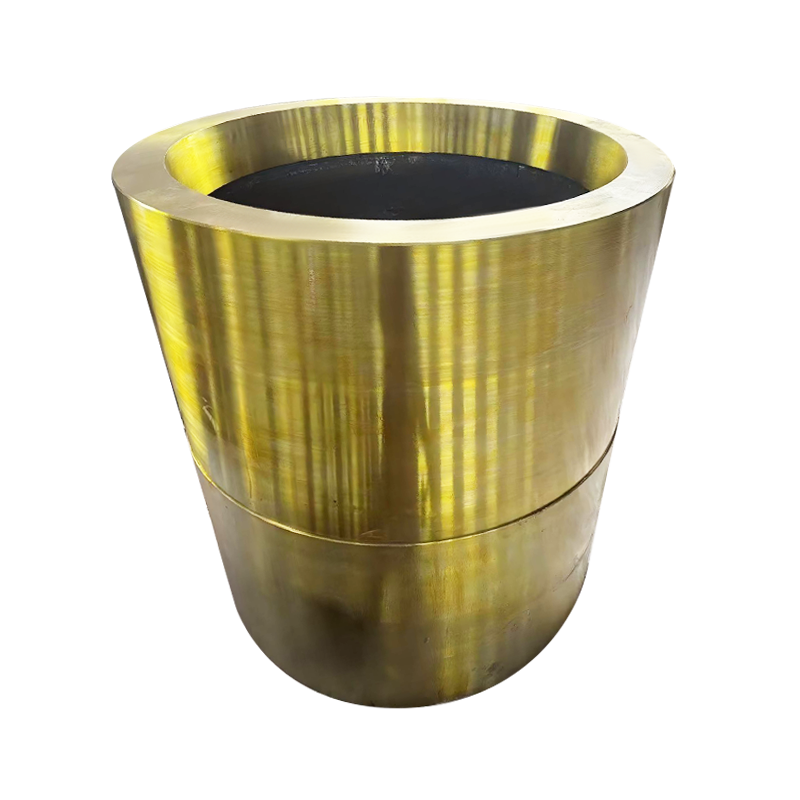
In many large crushing plants, multiple types of crushers work together. For example, components such as the Cone Crusher Mantle are commonly used in cone crushers during secondary or tertiary crushing stages after initial material reduction.
- Importance of Wear Monitoring
Even with durable materials, hard ores can accelerate wear. Regular inspection helps operators detect early signs of wear and maintain stable crushing performance.
What Role Does the Gear Roll Crusher Tooth Plate Play in a Roll Crusher?
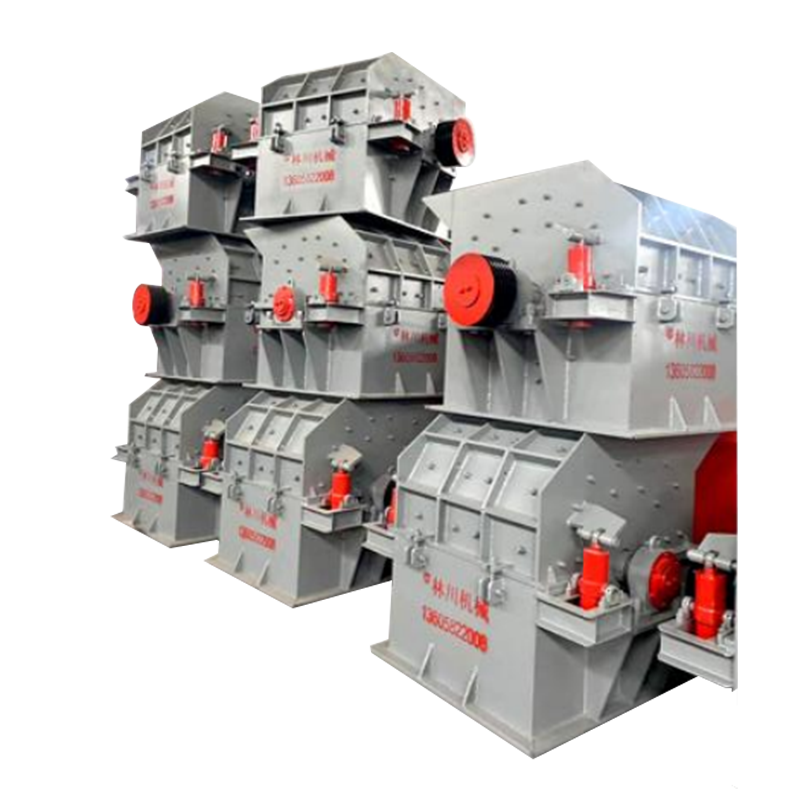
A roll crusher is widely used in mining, coal processing, and mineral production due to its ability to produce uniform particle sizes. The Gear Roll Crusher Tooth Plate is a critical component that directly affects the machine’s crushing performance and material handling capability.
1. Primary Crushing Surface
The tooth plate forms the main contact surface where materials are crushed. As the rolls rotate, the teeth pull materials into the crushing zone and break them through compression and shearing forces.
2. Improved Feeding Capability
The gear-shaped teeth help grab and pull large lumps of material into the crusher. This feeding action ensures that the material moves smoothly through the machine.
3. Control of Final Particle Size
The shape and arrangement of the teeth influence how materials break apart. Properly designed tooth plates help produce a more uniform and controlled output size.
4. Handling Hard and Abrasive Materials
Gear roll crushers often process medium-to-hard materials. High-quality tooth plates provide the necessary strength and durability to withstand heavy loads.
The gear roll crusher tooth plate, therefore, plays an essential role in feeding, crushing, and controlling material size within roll crushing systems.
How Do Durable Crusher Tooth Plates Perform in High-Hardness Ore Crushing?
Durability is a critical factor when selecting wear parts for crushing equipment. Durable Crusher Tooth Plates are designed specifically to withstand the demanding conditions of high-hardness ore processing while maintaining consistent performance.
Durable tooth plates are often manufactured using advanced metallurgy, including high-manganese steel and specially treated alloys. These materials can resist both abrasion and repeated impact from hard rocks.
Because of their improved durability, these plates generally last longer than standard components. This reduces replacement frequency and lowers overall maintenance costs.
- Consistent Crushing Performance
A well-designed tooth plate maintains its structure for longer periods, ensuring stable crushing performance and uniform material output.
- Compatibility With Other Wear Parts
In complex crushing systems, durable tooth plates must work efficiently alongside other heavy-duty components, such as Cone Crusher Mantle Parts used in cone crushers.
- Reduced Equipment Downtime
Longer service life and better wear resistance help reduce unexpected equipment shutdowns. This allows mining operations to maintain higher productivity and smoother production schedules.
For operations that frequently process hard ores, investing in durable crusher tooth plates is essential. These components help maintain efficient crushing performance, extend equipment lifespan, and ensure reliable operation in demanding mining environments.

 English
 中文简体
中文简体
 русский