
/ Contact Us
Zhejiang Linchuan Machinery Manufacturing Co., Ltd.
No. 88 Wenbo Road, Jinxi Development Zone, Wucheng District, Jinhua City, Zhejiang Province, China
+86-13605822008
2026-07-24
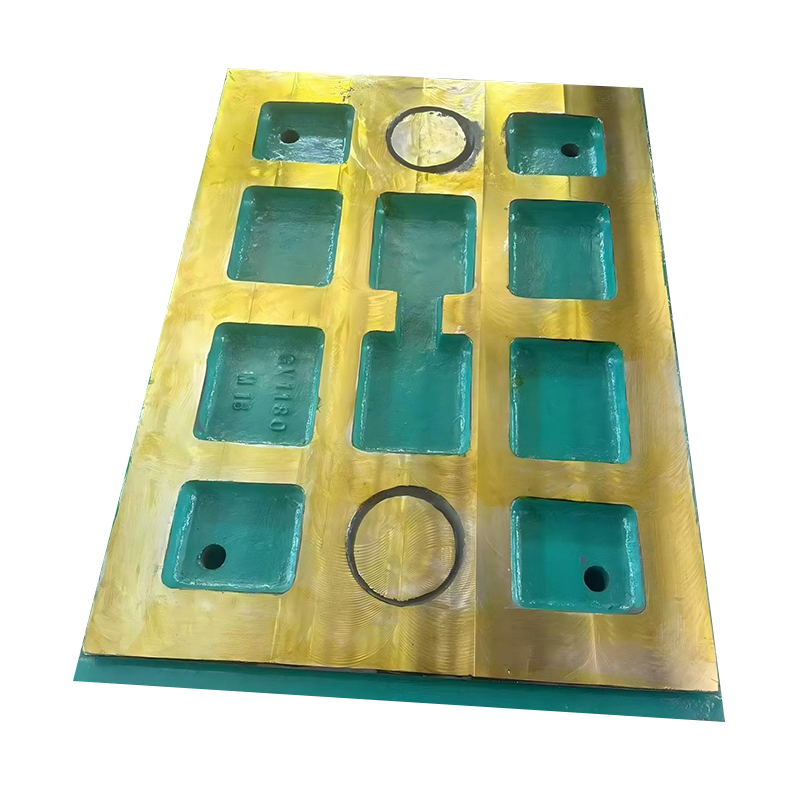
Operational feedback from crushing circuits shows a recurring issue: output gradation drift appearing earlier than expected in certain installations using Crusher Toothed Plate systems. Rather than gradual efficiency loss, the change often presents as sudden particle size inconsistency, even under stable feed conditions.
This behavior is closely tied to how tooth profiles degrade, how material grip weakens, and how crushing force transitions from shear-dominant to compression-dominant action.
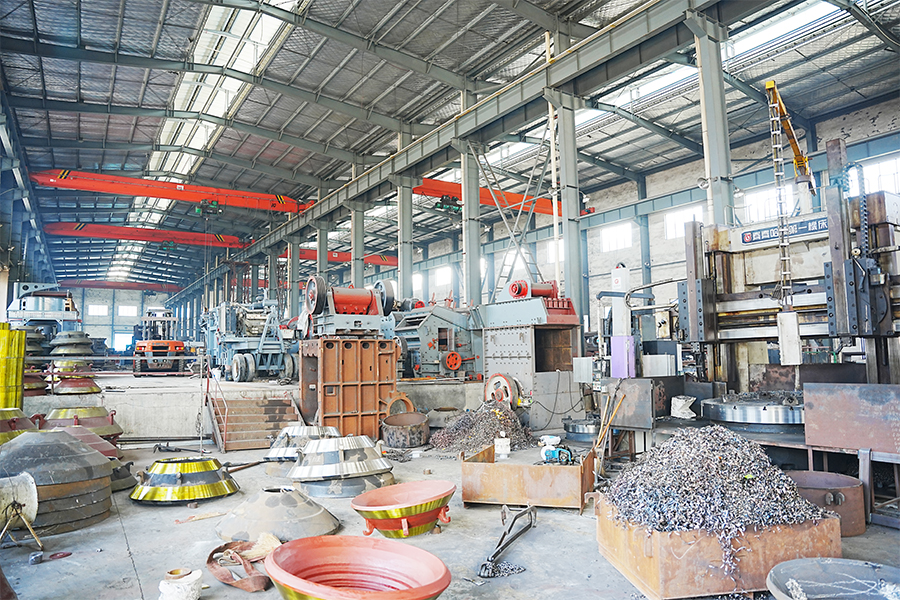
Toothed plates are engineered to fracture material through a combination of biting, shearing, and controlled compression. Once the tooth geometry wears down, the crushing mechanism begins to shift.
Industry observations indicate that once the tooth structure loses its defined profile, material tends to slide rather than fracture efficiently, increasing coarse output ratio and reducing size control stability.
One of the earliest signals of worn toothed plates is reduced grip efficiency inside the crushing chamber. This affects how material is held and fractured between opposing surfaces.
Field analysis from jaw and sizer-type crushing systems confirms that worn tooth profiles reduce effective crushing engagement, which directly correlates with inconsistent product size distribution and higher recirculation loads.
Wear on toothed plates rarely develops uniformly. Instead, localized stress zones form based on feed trajectory, material hardness variation, and chamber geometry alignment.
Research on crushing chamber wear behavior highlights that uneven tooth degradation can distort internal force distribution, causing abnormal discharge particle size and reduced crushing efficiency.
Toothed plate systems depend on a balanced interaction between shear and compression. As wear progresses, this balance changes noticeably.
This transition is critical because it changes how energy is transmitted through the material bed. Instead of controlled breakage, the process becomes more reliant on bulk compression, which tends to produce larger and less consistent particles.
Unexpected size shift is usually preceded by subtle but measurable operational signals. These indicators often appear before visible plate wear becomes severe.
Monitoring these parameters helps identify the point where toothed plate wear begins to impact downstream processing stability rather than just the mechanical wear rate.
Modern toothed plate designs are influenced by alloy composition, heat treatment, and geometry optimization. However, wear behavior still depends heavily on application conditions.
Once geometry degradation exceeds a threshold, even advanced materials cannot fully compensate for loss of mechanical engagement efficiency.
Replacement decisions for toothed plates are increasingly based on performance indicators rather than visual wear alone. Output stability is often the earliest reliable trigger.
When particle size distribution begins to drift consistently, or when crushing behavior shifts toward compression-only response, the system has typically entered a late wear stage. At this point, continued operation increases energy consumption while reducing control over final product specification.
Wear progression in Crusher Toothed Plate systems is not a simple material loss process. It is a structural transformation that alters how forces interact with feed material.
The resulting output size variation is less a sudden failure and more a gradual shift in crushing mechanics, driven by tooth geometry degradation and changing engagement behavior inside the chamber.
HOT PRODUCTS
interested?
Contact us!

No. 88 Wenbo Road, Jinxi Development Zone, Wucheng District, Jinhua City, Zhejiang Province, China

+86-18869925678
+86-13605822008

Mining Crushing & Sand-Making Manufacturer
 English
 中文简体
中文简体
 русский