
/ Contact Us
Zhejiang Linchuan Machinery Manufacturing Co., Ltd.
No. 88 Wenbo Road, Jinxi Development Zone, Wucheng District, Jinhua City, Zhejiang Province, China
+86-13605822008
2026-05-08
Why Material Choice In Wear Parts Is Not One Direction Decision
In crushing and grinding equipment, wear parts are rarely exposed to only one kind of force. Inside a running system, material may be sliding across surfaces in one section while being hit repeatedly in another. This combination makes the working condition more complex than it looks from the outside.
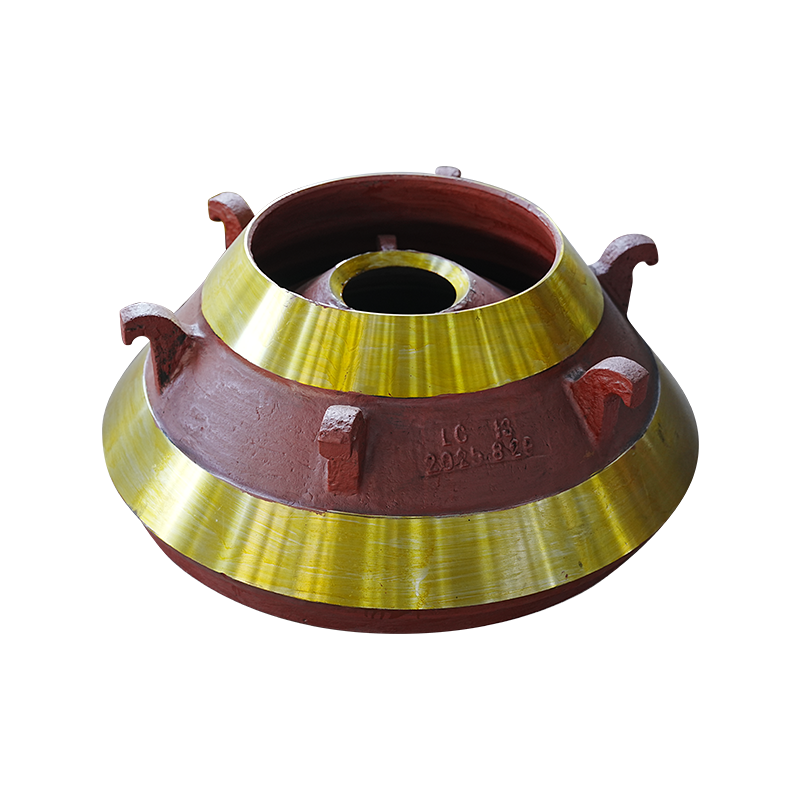
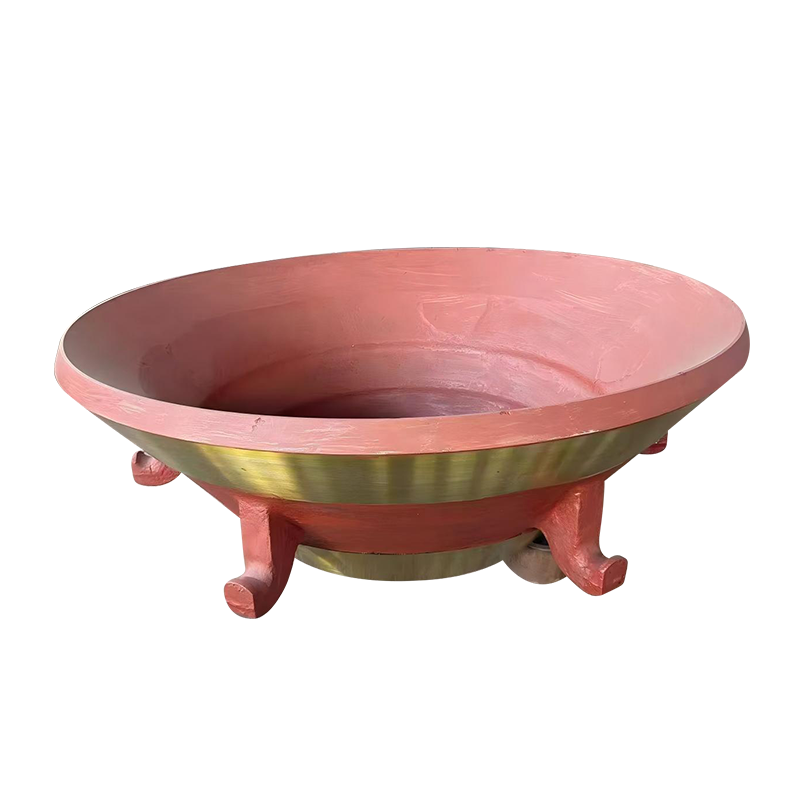
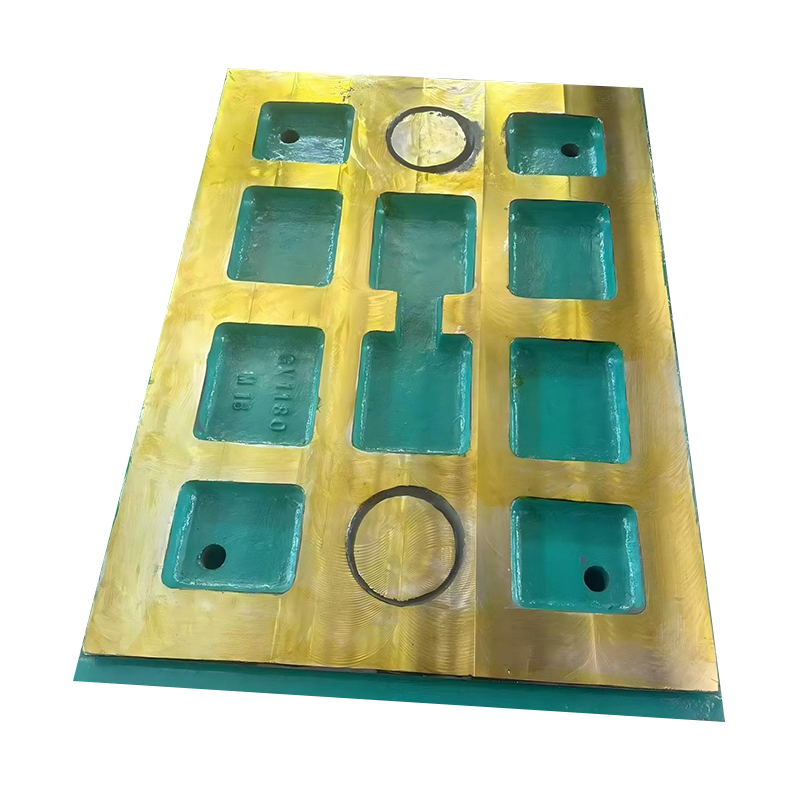
Because of this, material selection is usually not based on a simple comparison of strength. High Chromium Cast Iron Fittings and High Manganese Steel Fittings are often discussed together because they respond to stress in different ways. One focuses more on resisting steady surface wear, while the other behaves more actively under repeated impact.
In industrial discussions about wear components, Zhejiang Linchuan Machinery Manufacturing Co., Ltd. is sometimes referenced when talking about how different materials are used in real equipment environments, especially where wear behavior becomes part of system planning rather than only part replacement.
What matters in practice is not naming the material, but understanding how it behaves once it is installed and exposed to real working conditions over time.
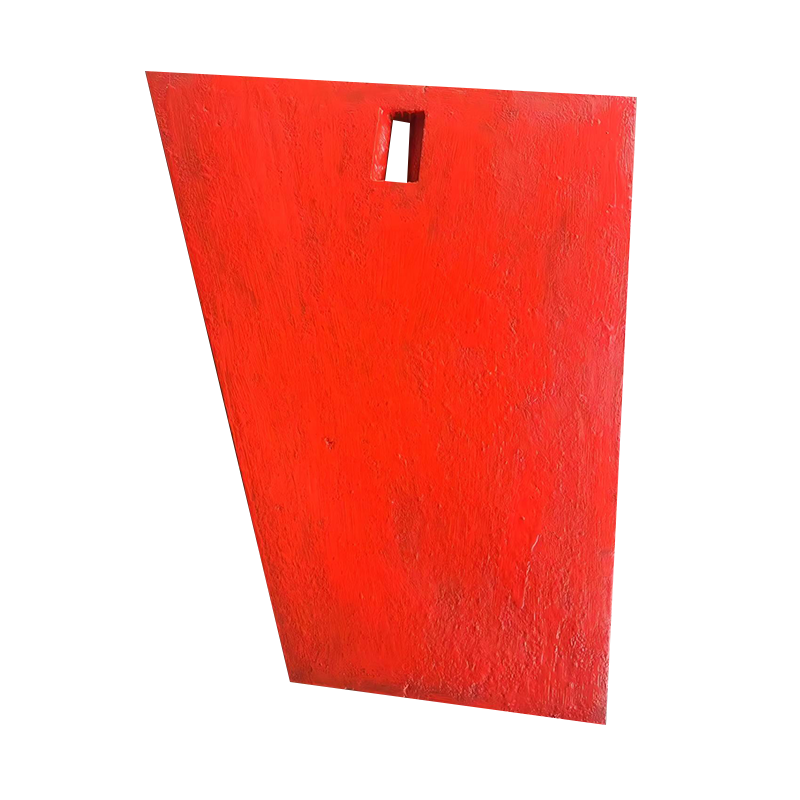
High Chromium Cast Iron Fittings In Stable Contact Wear
High Chromium Cast Iron Fittings are commonly used in environments where contact is continuous and relatively stable. When material flows across the surface, the main action is abrasion rather than sudden impact.
In this situation, the surface gradually changes due to friction. The material structure is designed in a way that helps slow down surface loss under steady grinding contact.
What often stands out in real use is not sudden failure, but slow and predictable wear development. The surface does not usually deform quickly, but it will gradually show changes where contact is strongest.
In systems where movement is steady and force direction does not change frequently, this type of behavior is often considered suitable.
High Manganese Steel Fittings Under Repeated Impact
High Manganese Steel Fittings behave differently when placed under impact conditions. Instead of resisting force only through hardness, the material reacts to repeated stress by changing its internal structure.
When impact is applied again and again, the surface layer becomes more resistant over time due to deformation behavior. This means the material does not stay in a fixed state but adjusts as working conditions continue.
This type of response is useful in situations where force is not stable and changes frequently during operation. Rather than focusing only on surface resistance, the material absorbs energy through controlled deformation.
Systems Dominated By Grinding Contact
In some crushing systems, material moves in a more continuous flow. Instead of sharp impact, the main interaction is steady friction between particles and surfaces.
High Chromium Cast Iron Fittings are often used in these conditions because they maintain surface stability under long contact periods. The wear develops slowly, which makes behavior easier to anticipate during operation.
However, when unexpected impact occurs in these systems, the surface can react differently compared to environments designed for impact resistance.
Systems Dominated By Shock And Pressure Variation
In other systems, force is not constant. Material enters, is compressed, then released, often under changing pressure conditions. This creates a working environment where impact is repeated and not always uniform.
High Manganese Steel Fittings are often used in these areas because they can adjust their response under repeated stress. Instead of remaining rigid, the surface structure changes during use, which helps it continue working under fluctuating force.
This makes it suitable for zones where stress is not predictable and load conditions vary during operation.
Many real machines do not work under a single condition. Some parts experience abrasion, while others experience impact, and some areas switch between both depending on material flow.
In these cases, material selection is often divided by function within the same system. One section may rely on High Chromium Cast Iron Fittings for steady wear resistance, while another section may rely on High Manganese Steel Fittings where impact behavior is more important.
| Aspect | High Chromium Cast Iron Fittings | High Manganese Steel Fittings |
|---|---|---|
| Main Working Condition | Steady abrasion contact | Repeated impact load |
| Surface Behavior | Gradual wear development | Adaptation through deformation |
| Force Response | Stable resistance under friction | Energy absorption under impact |
| Wear Pattern | Slow and continuous loss | Changing surface structure over time |
| Suitable Environment | Grinding focused systems | Impact driven systems |
| Performance Characteristic | Predictable surface change | Adjustable behavior under stress cycles |
Instead of replacing one material with another, the system is designed to use both where they fit naturally.
A crushing system can be seen as a continuous movement of material through different stress zones. At each stage, force behaves differently. Some areas focus on compression and grinding, while others handle breaking and impact.
High Chromium Cast Iron Fittings and High Manganese Steel Fittings are often placed according to these zones. They do not perform the same role, even if they exist within the same machine.
Typical role separation may look like:
This separation allows the system to handle different types of wear without forcing one material to perform outside its natural behavior range.
Gradual Surface Loss In Chromium Based Components
In High Chromium Cast Iron Fittings, wear usually appears as gradual surface reduction. The material does not typically change shape suddenly. Instead, contact slowly removes surface layers over time.
This type of wear is often easier to observe in systems with steady operation because changes happen in a slow and continuous way rather than sudden breakdown.
Progressive Hardening In Manganese Steel Components
High Manganese Steel Fittings behave differently under repeated impact. Instead of only losing material, the surface can become more resistant in certain areas due to deformation behavior.
This means performance changes are linked not only to wear but also to how the material adapts during operation.
When Wear Becomes A Functional Signal
In many systems, wear is not only a physical change. It can also indicate how the machine is working. Uneven wear patterns may suggest changes in material flow, load distribution, or operating conditions inside the system.
Selection Thinking Based On Real Operation Instead Of Labels
Material selection between High Chromium Cast Iron Fittings and High Manganese Steel Fittings is usually based on working behavior rather than classification names.
A practical way to approach selection often includes:
In many cases, the same machine may require different materials in different zones instead of using a single type everywhere.
Casting Structure And Internal Stability
The internal structure formed during casting plays a role in how the material responds to stress. Even small variations in structure can influence how wear develops during long operation.
Heat Processing And Response Adjustment
Post forming treatment can adjust how materials respond under load. Chromium based materials tend to maintain surface resistance, while manganese based materials adjust behavior through repeated stress exposure.
Surface Condition And Interaction With Material Flow
Surface texture affects how material moves across the component. A smoother surface may reduce friction in some conditions, while a rougher surface may change how wear develops over time.
Practical Environments Where Differences Become Visible
In real use, the differences between High Chromium Cast Iron Fittings and High Manganese Steel Fittings become clearer in environments such as:
Each environment places different stress on components, which leads to different wear patterns.
Over time, both materials gradually change under working conditions. The way they change is not identical. One tends to show slow surface loss, while the other shows adaptation through repeated stress.
Replacement decisions are usually linked to system stability. When output consistency begins to change or when wear starts affecting movement behavior inside the system, components are typically evaluated for replacement based on function rather than appearance alone.
HOT PRODUCTS
interested?
Contact us!

No. 88 Wenbo Road, Jinxi Development Zone, Wucheng District, Jinhua City, Zhejiang Province, China

+86-18869925678
+86-13605822008

Mining Crushing & Sand-Making Manufacturer
 English
 中文简体
中文简体
 русский