Introduction to Sand Core Making Machines
- Definition and Purpose – A Sand Core Making Machine is an industrial device used in foundries and metal casting operations to form sand cores. These cores serve as internal molds within casting processes, enabling complex geometries and hollow sections in metal components.
- Importance of Sand Core Quality – The quality of the sand cores directly affects casting accuracy, surface finish, and defect reduction. Uniformity in density and particle distribution is crucial to prevent voids, cracks, or deformation during metal pouring.
- Industrial Relevance – Sand cores are widely used in automotive, aerospace, and machinery casting industries. Using advanced machines, including Small Sand Making Machines and Crushed Sand Making Machines, ensures consistent production quality.
Overview of Small Sand Making Machines
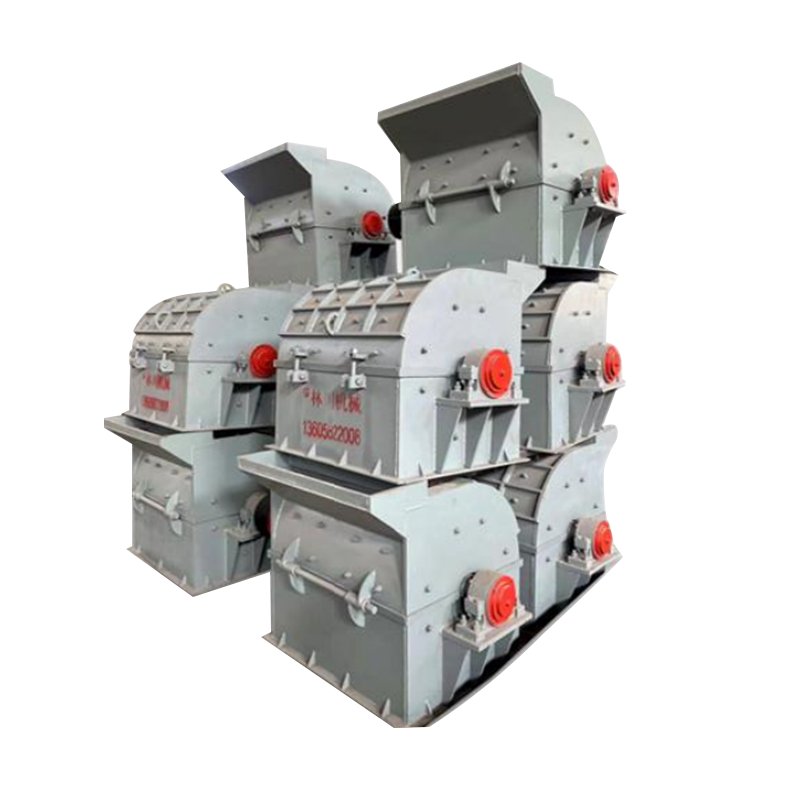
- Definition – Small Sand Making Machines are compact and cost-effective units designed for small- to medium-scale production operations.
- Advantages – Their smaller footprint makes them suitable for limited-space workshops, laboratories, and prototype foundries. They offer ease of installation and operation while maintaining high precision in sand core production.
- Operational Flexibility – These machines can adapt to different sand types, binders, and production requirements, making them versatile in various industrial applications.
Crushed Sand Making Machines and Their Significance
- Definition – Crushed Sand Making Machines focus on producing high-quality, fine sand particles suitable for molding and core production.
- Impact on Core Strength – Uniformly sized and angular sand particles ensure proper compaction, structural integrity, and stability of the sand cores during the casting process.
- Production Efficiency – These machines allow rapid processing of raw sand into consistently graded material, optimizing both productivity and core quality.
Key Factors Affecting Sand Core Quality
- Sand Grain Size and Shape – Uniform and angular grains improve compaction and core strength. Spherical or inconsistent grains can cause weak spots.
- Binder Composition – The choice of binder, whether organic or inorganic, affects sand cohesion, compressive strength, and permeability. Proper mixing ensures uniform adhesion across all particles.
- Moisture Content – Correct moisture levels facilitate uniform compaction and prevent cracking. Overly wet or dry sand compromises density and causes defects.
- Compaction Pressure – Applying consistent pressure during core formation ensures even density and prevents voids or cracks within the core.
- Temperature Control – In processes like shell or hot-box core making, temperature stability is essential for uniform curing and core hardness.
Methods for Controlling Sand Core Quality
- Pre-Screening of Sand – Use sieves or vibrating screens to remove oversized particles and impurities that may affect uniform compaction.
- Consistent Mixing – Automated mixing systems ensure homogeneity of sand and binder, eliminating weak areas within the core.
- Controlled Feed Rate – Maintaining a uniform feed prevents layering inconsistencies and promotes even compaction across the mold.
- Machine Calibration – Adjusting machine parameters, including vibration intensity, compaction pressure, and rotor speed, optimizes sand core density.
- Monitoring Moisture Levels – Moisture sensors and regulated water addition maintain ideal water content for consistent core quality.
Advantages of High-Quality, Uniform Sand Cores
- Dimensional Accuracy – Consistent cores produce precise internal cavities, critical for complex casting designs.
- Reduced Casting Defects – Proper core quality reduces blowholes, cracks, and warping during the metal pouring process.
- Enhanced Mechanical Strength – Uniform compaction and sand distribution increase the core's ability to resist molten metal pressure.
- Optimized Permeability – Even particle distribution allows gases to escape efficiently, reducing internal casting defects.
- Operational Cost Savings – Fewer defective cores translate to reduced material waste, less rework, and lower production costs.
Operational Practices for Maintaining Uniform Output
- Regular Maintenance – Inspect mixers, hoppers, and compaction elements to prevent uneven performance.
- Uniform Sand Supply – Consistent sand source or blending ensures stability in particle size and properties.
- Periodic Calibration – Adjust machine settings regularly to maintain even compaction and density.
- Operator Training – Skilled operators can monitor moisture, feeding, and compaction parameters effectively.
- Record Keeping – Tracking operational parameters helps identify deviations affecting output quality.
Common Challenges and Mitigation Strategies
- Uneven Compaction – Caused by irregular feed or improper pressure settings. Solution: adjust feed system and compaction parameters.
- Moisture Fluctuations – Water content variation can weaken the cores. Solution: implement moisture sensors and automated regulation.
- Binder Inconsistency – Uneven binder distribution creates weak zones. Solution: automated mixing ensures uniform binder incorporation.
- Overloading or Underfeeding – Impacts density and particle arrangement. Solution: Maintain consistent feed rates and avoid exceeding capacity.
Comparison with Traditional Core Making Methods
- Manual Core Making – Labor-intensive, inconsistent, prone to human error, and slower for large-scale production.
- Small Sand Making Machines – Compact, automated, and capable of producing consistent, high-quality cores efficiently.
- Crushed Sand Making Machines – Offer precise particle control and uniformity, improving compaction and core performance.
- Overall Benefits – Automation and particle control reduce defects, increase efficiency, and enhance repeatability compared to manual methods.
Maintenance and Monitoring Strategies
- Daily Cleaning – Prevent sand and binder buildup that could affect core uniformity.
- Wear Part Inspection – Regularly check hoppers, mixers, and compaction plates to maintain machine consistency.
- Lubrication – Proper lubrication reduces friction and prevents irregular compaction.
- Performance Monitoring – Track vibration, feed rate, and compaction pressure to detect deviations early.
- Operator Checks – Visual inspection of sand properties and binder distribution ensures consistent production.
Real-World Applications of Small Crushed Sand Core Making Machines
- Automotive Casting – Produces engine blocks, brake components, and gear housings with high precision.
- Aerospace Components – Complex turbine parts and structural components require uniform core strength.
- Industrial Machinery – Core uniformity ensures the durability and operational efficiency of mechanical parts.
- Prototype and Small-Batch Production – Compact machines allow efficient, accurate small-scale core production.
Future Innovations in Sand Core Making Machines
- Automation and Smart Controls – Integration of sensors for real-time monitoring and automatic adjustments ensures consistent output.
- Advanced Binder Technologies – New binders improve cohesion, strength, and curing speed for uniform cores.
- Energy Efficiency – Modern machines consume less power while maintaining suitable compaction quality.
- IoT and Data Integration – Remote monitoring, predictive maintenance, and performance analytics enhance consistency and operational efficiency.
The output quality and uniformity of sand cores in foundries depend on the effective use of a Sand Core Making Machine, including Small Sand Making Machines and Crushed Sand Making Machines. Controlling factors like particle size, binder mixing, moisture content, and compaction pressure are essential to producing strong, uniform cores. Implementing proper operational procedures, maintenance routines, and technological enhancements ensures consistent performance, reduces defects, and improves final casting quality. By understanding and optimizing these factors, manufacturers can improve efficiency, reduce costs, and achieve high precision in both small-scale and industrial core production.





 English
 中文简体
中文简体
 русский