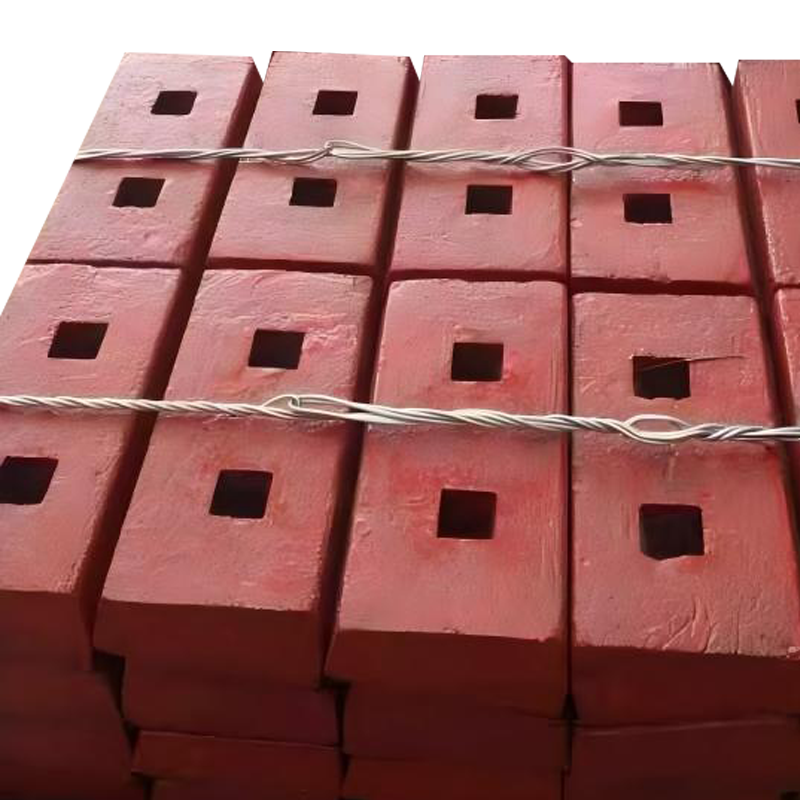
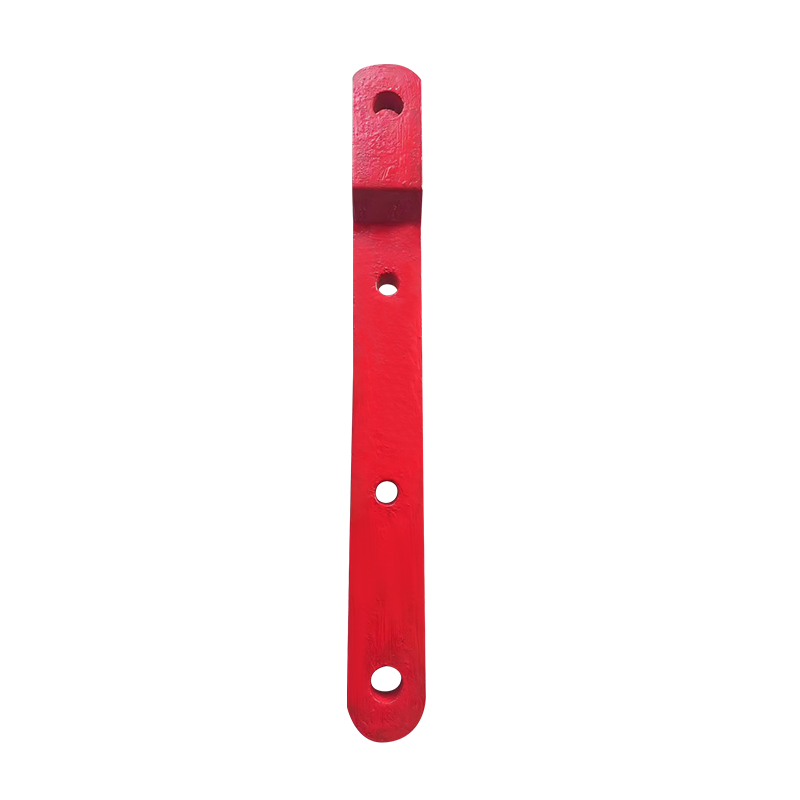
Introduction to PE Series Jaw Crushers
- Definition and Function – The PE Series Jaw Crusher is a widely used crushing machine designed for primary and secondary crushing of various materials. It is capable of reducing large rocks, ores, and construction debris into smaller, manageable sizes.
- Industrial Applications – This crusher is commonly used in mining, quarrying, and aggregate production. Its versatility allows it to process different types of materials while maintaining stable output.
- Importance of Output Size Control – Adjusting the output size of the crusher is essential to meet production requirements, optimize downstream processes, and ensure consistent material quality.
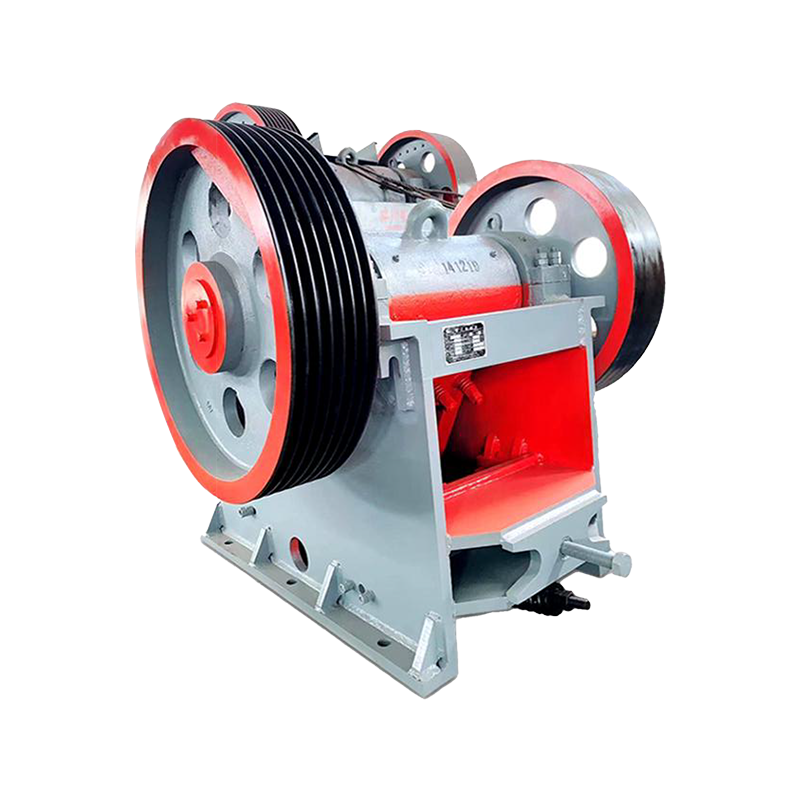
Understanding Compact Jaw Crushers
- Definition – Compact Jaw Crushers are smaller, portable versions of standard jaw crushers designed to save space while maintaining efficient crushing performance.
- Advantages of Compact Design – These crushers are ideal for facilities with limited installation space. They offer easier maintenance, lower energy consumption, and faster setup.
- Application Flexibility – Compact Jaw Crushers are suitable for small to medium-scale operations and can be integrated with screening or feeding systems to improve efficiency.
Universal Jaw Crushers and Their Capabilities
- Definition and Scope – Universal Jaw Crushers are designed to handle a wide range of materials and hardness levels. They can process hard rock, ores, recycled concrete, and other industrial materials.
- Versatility in Material Processing – The universal design ensures stable performance across various applications, making it a preferred choice in aggregate production and recycling industries.
- Adaptability to Different Requirements – By adjusting operational parameters, Universal Jaw Crushers can meet diverse production needs, from fine aggregates to coarse crushed materials.
Factors Affecting Output Size
- Jaw Crusher Settings – The gap between the fixed and movable jaw directly determines output size. Adjusting the discharge opening can achieve the desired product size.
- Material Hardness – Harder materials require more energy to crush, which may influence particle size distribution. Softer materials are easier to crush and produce more uniform output.
- Feed Size and Shape – The initial size and shape of the material affect crushing efficiency and the final product size. Uniform feed improves output consistency.
- Crusher Speed and Motion – Rotor speed and jaw motion affect the crushing process. Optimizing these parameters ensures the material is broken effectively and meets output specifications.
Methods to Adjust Output Size
- Adjusting the Discharge Opening – By increasing or decreasing the gap between the fixed and movable jaw, operators can control the output size.
- Screening Integration – Adding a screening system after the crusher separates oversized material for re-crushing, ensuring uniform product size.
- Varying Feed Rate – Controlling the speed at which material enters the crusher can affect crushing intensity and final particle size.
- Jaw Angle Adjustment – Some models allow for minor adjustments to the jaw angle, influencing crushing force and output distribution.
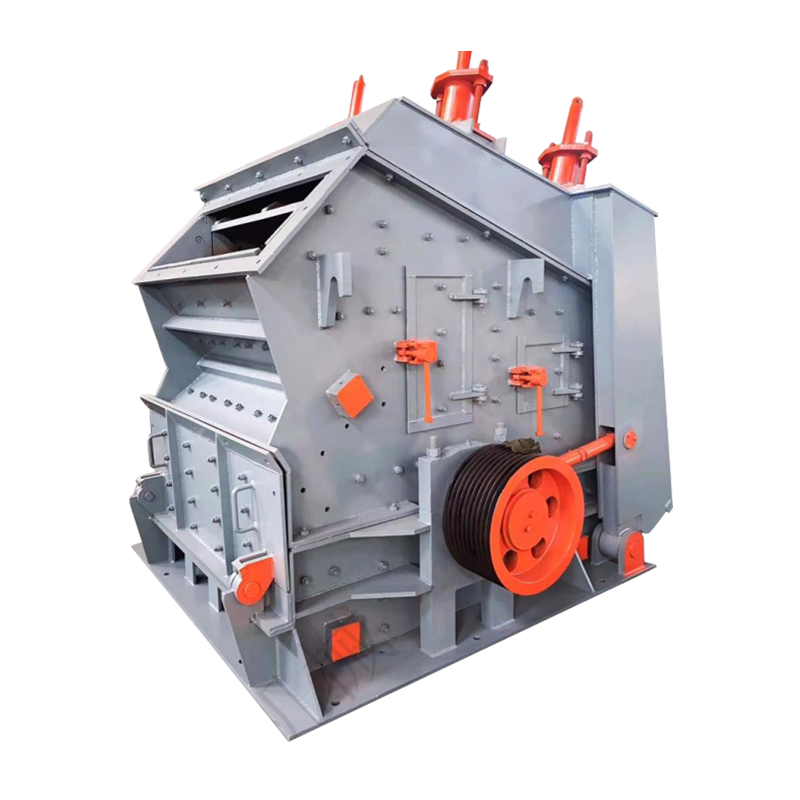
Advantages of Controlling Output Size
- Optimized Downstream Processing – Proper output size ensures that secondary and tertiary crushers, as well as conveyor and screening systems, operate efficiently.
- Consistent Product Quality – Uniform particle size is critical for construction, concrete production, and road building applications.
- Reduced Energy Consumption – Efficient size control prevents over-crushing, saving energy and reducing wear on the crusher components.
- Extended Equipment Life – Proper adjustment reduces stress on hammers, jaw plates, and bearings, prolonging the lifespan of the crusher.
Operational Tips for PE Series Jaw Crushers
- Regular Maintenance – Ensure jaw plates and bearings are inspected and replaced as needed to maintain consistent output size.
- Monitor Feed Consistency – Uneven feeding can cause fluctuating output sizes. Use feeders or hoppers to regulate material flow.
- Lubrication and Wear Monitoring – Regular lubrication prevents friction-related wear that may affect output consistency. Monitoring wear patterns allows timely maintenance.
- Adjust Settings Gradually – Sudden changes to the discharge opening or jaw angle can disrupt production. Incremental adjustments yield better control.
Applications Where Output Size Control is Critical
- Construction Aggregates – Roads, bridges, and buildings require specific particle sizes for concrete and asphalt. Controlled output ensures material suitability.
- Mining and Quarrying – Mineral processing often requires a precise particle size distribution for efficient separation and processing.
- Recycling Industry – In recycling concrete, glass, or bricks, controlling crusher output improves material reuse and red downstream processing.
- Chemical and Industrial Applications – Uniform crushed materials enhance chemical processing efficiency and product quality.
Common Challenges and Solutions
- Variations in Feed Material – Material heterogeneity can cause inconsistent output. Pre-screening or blending feed improves uniformity.
- Jaw Plate Wear – Worn jaw plates change the discharge opening, affecting particle size. Regular replacement maintains consistent output.
- Overloading – Excessive feed can produce uneven crushing and oversized particles. Monitoring feed rate prevents this issue.
- Moisture and Contaminants – Wet or sticky materials can clog the crusher, disrupting size control. Proper drying or separation improves performance.
Comparison with Other Crushers
- Single vs. Double Toggle Jaw Crushers – Single-toggle crushers are more compact but may produce less uniform output, while double-toggle models offer better control for harder materials.
- Impact Crushers vs. Jaw Crushers – Impact crushers produce finer particles but are less suitable for extremely hard materials. Jaw crushers excel at primary crushing with adjustable output size.
- Roller Crushers vs. Jaw Crushers – Roller crushers are ideal for fine crushing, but slower for large-scale operations. PE Series Jaw Crushers provide a balance between capacity and adjustable output.
Maintenance Strategies for Consistent Output
- Regular Inspection – Check wear plates, bolts, and bearings to ensure the crusher operates as designed.
- Scheduled Hammer and Jaw Replacement – Timely replacement prevents variations in output particle size.
- Proper Feeding Practices – Uniform feeding prevents uneven stress distribution and maintains consistent crushing.
- Use of Lubricants – Maintaining proper lubrication reduces friction and component wear that could affect output.
- Training Operators – Educating staff on suitable settings, adjustment procedures, and feeding techniques enhances output consistency.
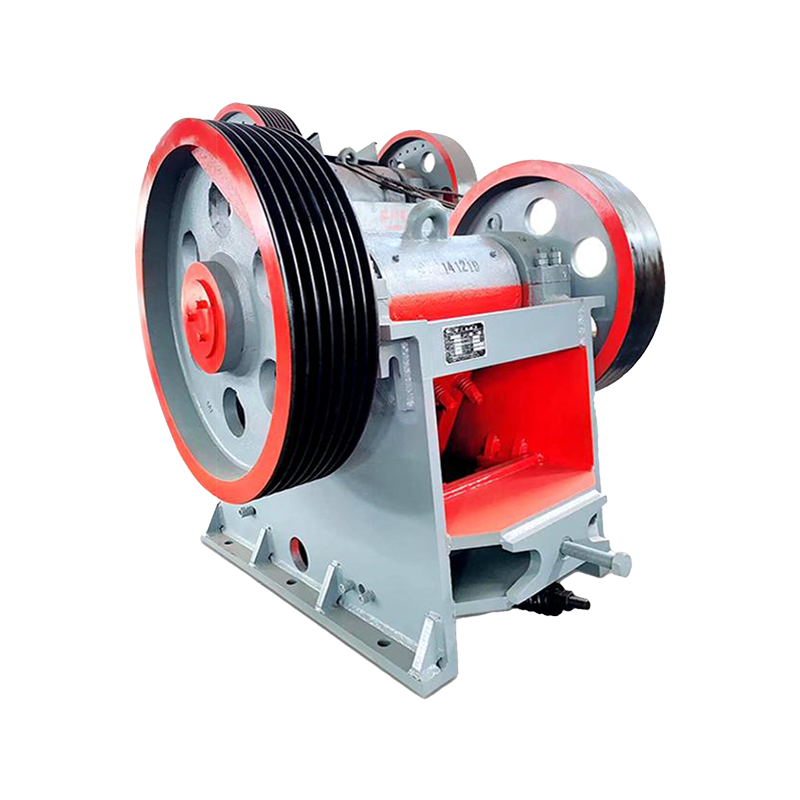
Case Studies of Successful Output Size Control
- Construction Aggregate Production – A quarry using a Compact Jaw Crusher maintained uniform 20–40 mm gravel output by adjusting the discharge opening and feed rate.
- Recycled Concrete Crushing – A recycling facility optimized output size for secondary crushing by using a Universal Jaw Crusher with an integrated screening system.
- Glass and Ceramic Recycling – PE Series Jaw Crusher produced consistent particle sizes for recycled glass applications, reducing downstream processing needs.
- Mining Operations – A mining company achieved precise ore sizing by combining jaw crusher adjustments with pre-screening and controlled feed rate.
Safety Considerations
- Protective Guards – Ensure rotating parts are enclosed to prevent operator accidents.
- Dust Control – Crushing produces fine particles; dust extraction prevents health hazards and maintains consistent crusher operation.
- Emergency Stops – Machines should have accessible emergency shutdown systems to prevent damage from blockages or overloading.
- Training and PPE – Operators should wear protective equipment and understand machine operation to safely control output size.
Future Developments in PE Series Jaw Crushers
- Automation – Advanced models integrate sensors for automated output size control.
- Smart Monitoring – IoT-enabled crushers can track wear, monitor feed consistency, and adjust parameters in real time.
- Wear-Resistant Materials – New alloy and composite materials increase jaw life, reducing output size variations caused by component wear.
- Enhanced Compact Design – Future Compact Jaw Crushers will combine portability with advanced adjustment mechanisms to suit more varied applications.
Controlling the output size of a PE Series Jaw Crusher, whether using a Compact Jaw Crusher or a Universal Jaw Crusher, is critical for meeting diverse industrial requirements. Factors such as jaw settings, feed consistency, material hardness, and rotor motion all influence the final particle size. Implementing proper operational techniques, maintenance routines, and adjustment strategies ensures consistent, high-quality output. By understanding the operational characteristics of jaw crushers and optimizing settings, industries can achieve improved production efficiency, reduced maintenance costs, and reliable material quality across mining, construction, recycling, and industrial applications.





 English
 中文简体
中文简体
 русский