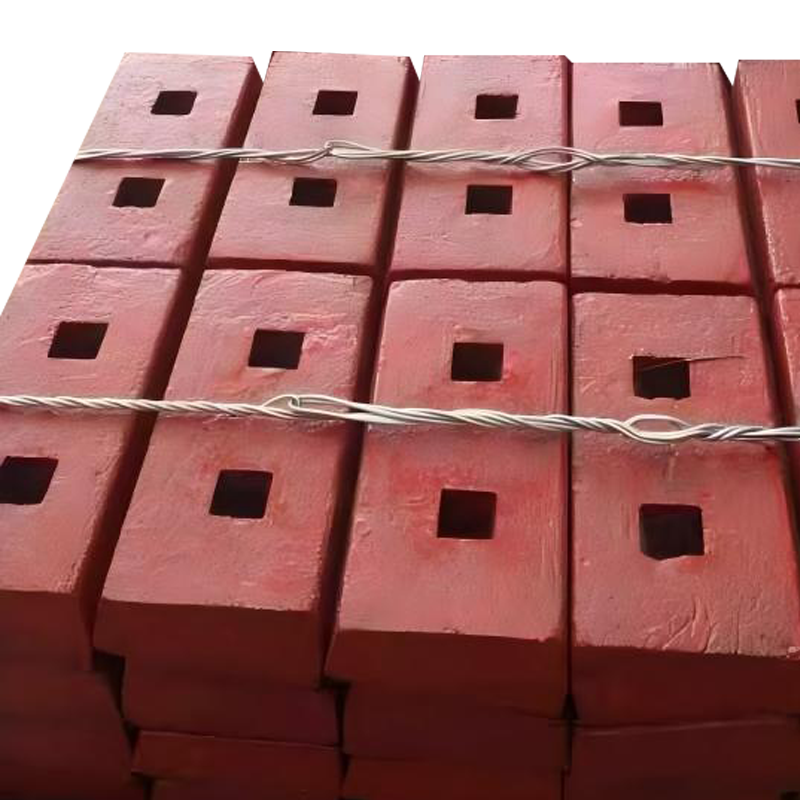
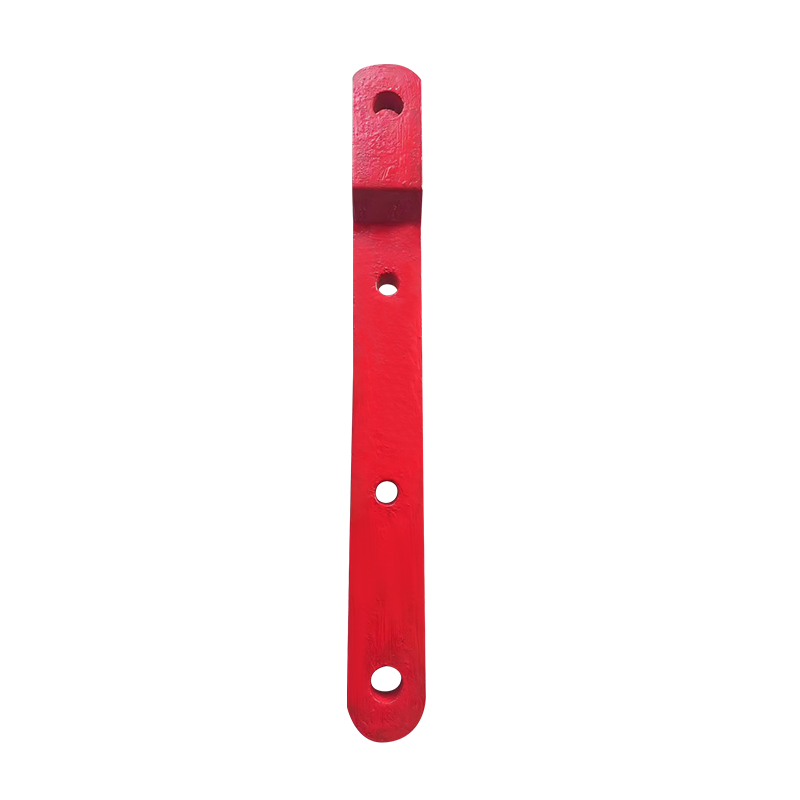
Introduction to PC Type Hammer Crushers
- Definition and Purpose – The PC Type Hammer Crusher is a specialized crushing machine designed for industrial applications. Its primary function is to reduce large glass materials into smaller, manageable pieces while maintaining operational efficiency.
- Industrial Applications – Commonly used in glass recycling, chemical processing, and construction material preparation, this crusher can handle various types of glass with differing hardness levels.
- Importance of Material Adaptability – Selecting a crusher suitable for high-hardness glass ensures consistent productivity and reduces maintenance frequency, avoiding costly downtime.
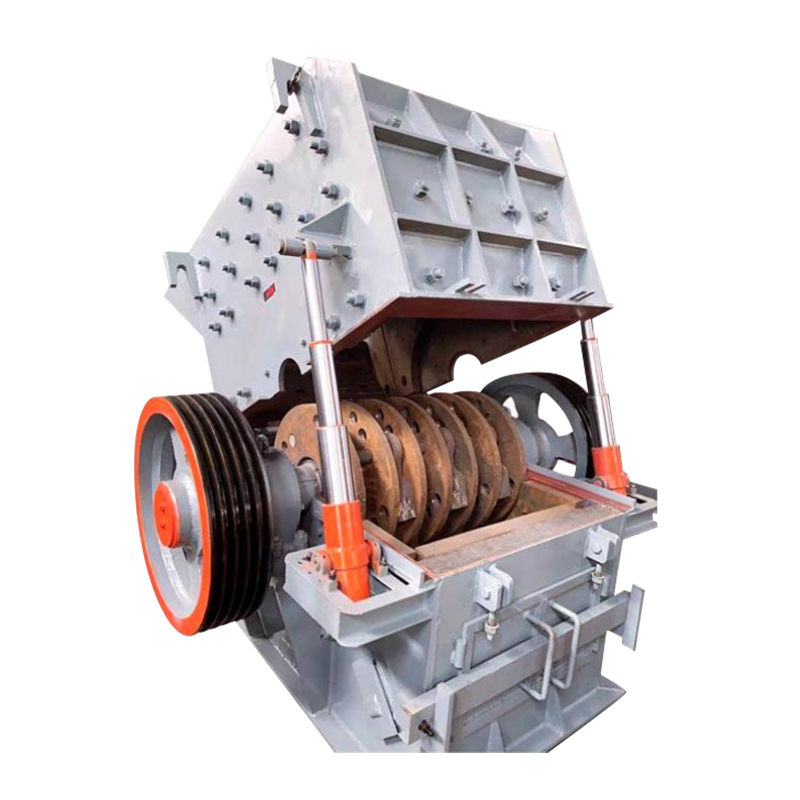
Understanding Double Shaft Hammer Crushers
- Double Shaft Design – A Double Shaft Hammer Crusher uses two rotating shafts equipped with hammers to crush materials efficiently. The dual-shaft mechanism allows higher impact distribution and better handling of tough materials.
- Benefits of Dual Shafts – The double shaft configuration reduces wear on individual hammers, distributes stress evenly, and enhances crushing efficiency compared to single-shaft alternatives.
- Industrial Relevance – This design is particularly beneficial for high-hardness glass, which requires uniform force application to prevent premature equipment failure.
Glass Hammer Crusher Features
- High Crushing Efficiency – Glass Hammer Crushers are designed to break brittle materials quickly without generating excessive fines, ensuring suitable particle size for downstream applications.
- Adjustable Output Size – Many models allow the adjustment of screen size or rotor speed, enabling control over the final product size.
- Durable Construction – The crusher body, hammers, and liners are typically made from high-strength alloy steel to withstand repeated impact from high-hardness glass.
High-Hardness Glass and Its Challenges
- Definition of High-Hardness Glass – This category includes tempered glass, borosilicate glass, and laminated glass, which have higher resistance to mechanical stress.
- Impact on Crushing Equipment – High-hardness glass generates greater resistance during crushing, which can cause faster wear of standard equipment or inconsistent output size.
- Material Characteristics – High-hardness glass is brittle yet strong, requiring precise impact control to avoid over-crushing or generating excessive fines.
Suitability of PC Type Hammer Crusher for High-Hardness Glass
- Impact Resistance – PC Type Hammer Crushers are engineered to handle materials with significant hardness due to robust rotor and hammer construction.
- Crushing Mechanism – The machine uses high-speed impact from hammers to break glass along natural fracture lines, reducing internal stress and avoiding unwanted micro-cracks.
- Throughput Considerations – For high-hardness glass, the double shaft system ensures stable throughput without overloading the machine.
- Wear-Resistant Materials – High-quality alloy steel components in the Glass Hammer Crusher reduce maintenance frequency and prolong service life when processing tough glass types.
Advantages of Using Double Shaft Hammer Crushers
- Even Stress Distribution – Dual rotors distribute impact across multiple points, reducing localized stress on the machine and the glass.
- Reduced Energy Consumption – Efficient crushing with two shafts often requires less power compared to multiple passes in single-shaft systems.
- Flexibility – Can process different glass types, including clear, colored, tempered, and borosilicate glass.
- Maintenance Efficiency – Easier access to hammers and liners allows faster replacement and routine maintenance, which is critical when working with abrasive, high-hardness materials.
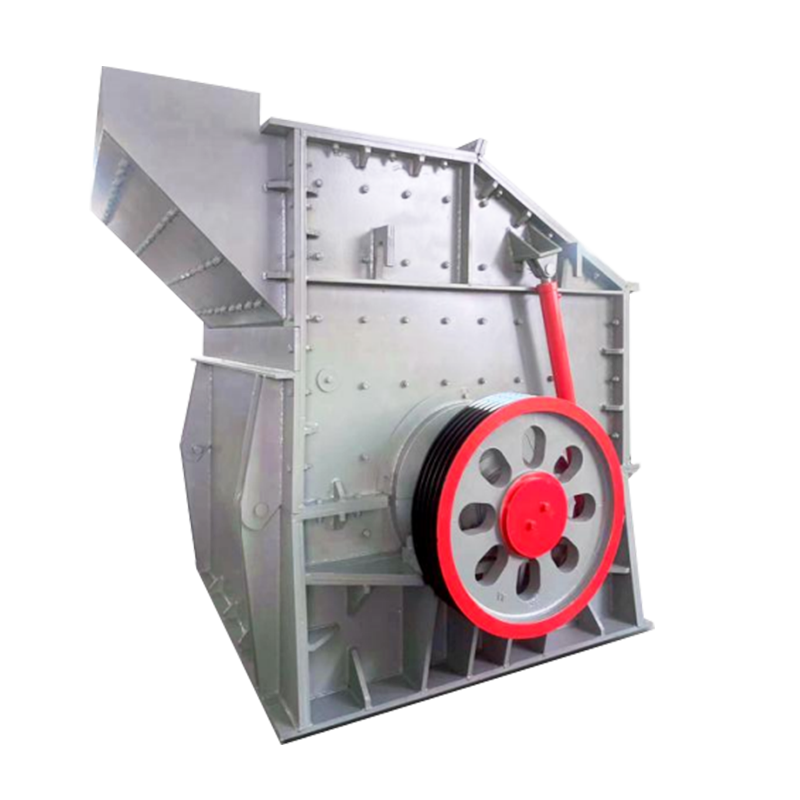
Operational Considerations for High-Hardness Glass
- Proper Feeding – Uniform feeding ensures consistent impact and reduces uneven wear on hammers.
- Screen Selection – Choosing the right screen mesh prevents oversized fragments from recirculating, enhancing efficiency and product quality.
- Rotor Speed Adjustment – Adjusting rotor speed allows control over impact energy, which is essential for brittle but high-hardness glass to prevent over-crushing.
- Temperature and Environment – Operating in stable conditions prevents thermal stress on the machine, maintaining crusher efficiency.
Challenges and Mitigation Strategies
- Rapid Wear of Hammers – High-hardness glass accelerates hammer wear; using high-manganese steel or alloy hammers mitigates this effect.
- Vibration and Noise – Increased material hardness can generate higher vibration; proper installation and damping systems reduce operational noise.
- Potential Blockages – Irregular glass shapes may cause jamming; regular inspection and proper feeding reduce this risk.
- Energy Demands – Crushing tougher materials consumes more power; ensuring suitable motor selection maintains efficiency.
Comparing the PC Type Hammer Crusher with Other Glass Crushers
- Single Shaft vs. Double Shaft – Single-shaft crushers are less suitable for high-hardness glass due to uneven impact distribution and higher wear rates.
- Jaw Crushers – While effective, jaw crushers may generate larger fragments and uneven particle sizes. PC Type Hammer Crushers produce more uniform output.
- Roller Crushers – Roller crushers are gentle but slower; high-hardness glass can overload rollers. The hammer design balances speed and efficiency.
- Overall Advantage – The double shaft hammer design provides a suitable combination of durability, impact distribution, and operational efficiency for tough glass materials.
Maintenance Practices for High-Hardness Glass Crushing
- Regular Inspection – Check hammer wear, rotor condition, and screen integrity frequently.
- Lubrication – Proper lubrication of bearings and shafts ensures smooth operation under heavy loads.
- Hammer Replacement – Scheduled replacement based on wear prevents unexpected failures during processing.
- Cleaning and Debris Removal – Avoid accumulation of fine glass particles, which may cause blockages or uneven wear.
- Operator Training – Educating operators about high-hardness glass characteristics and feeding practices ensures consistent performance and reduces maintenance costs.
Real-World Applications
- Glass Recycling Plants – Used to crush bottles, flat glass, and industrial glass for reuse or raw material recovery.
- Construction Material Preparation – Crushed high-hardness glass is used in concrete aggregates, decorative applications, or insulation materials.
- Industrial Manufacturing – Certain chemical and laboratory glass can be processed for controlled particle size reduction.
- Efficiency Gains – Facilities report improved throughput, reduced downtime, and consistent particle size distribution using Double Shaft Hammer Crushers.
Safety Considerations
- Protective Guards – Ensure all rotating parts and hammers are properly enclosed to prevent accidents.
- Dust Control – Crushing glass generates fine particles; appropriate dust extraction systems protect operators and maintain equipment life.
- Noise Protection – High-speed impact can create significant noise; operators should use hearing protection.
- Emergency Shutdown – Systems should be in place to stop the machine quickly if blockages or overloads occur.
Future Developments and Innovations
- Enhanced Alloy Hammers – Research into more wear-resistant alloys extends hammer life and reduces maintenance costs.
- Automated Rotor Speed Control – Sensors and automation allow adaptive rotor speeds based on glass hardness.
- Integrated Screening Systems – Advanced systems improve particle size control and reduce recirculation needs.
- Smart Monitoring – IoT integration enables real-time wear monitoring, predictive maintenance, and process optimization for high-hardness glass applications.
The PC Type Hammer Crusher, particularly in its Double Shaft Hammer Crusher configuration, is highly suitable for high-hardness glass. Its dual-rotor design, durable hammer construction, and adjustable operational parameters allow it to handle tough, brittle materials efficiently while maintaining consistent particle size. Proper operational practices, such as controlled feeding, rotor speed adjustment, and routine maintenance, are critical to improving the performance and lifespan of a Glass Hammer Crusher. Compared to alternative crushers, the double shaft design ensures better impact distribution, reduced wear, and reliable throughput, making it a preferred choice in industrial glass recycling and processing applications.





 English
 中文简体
中文简体
 русский