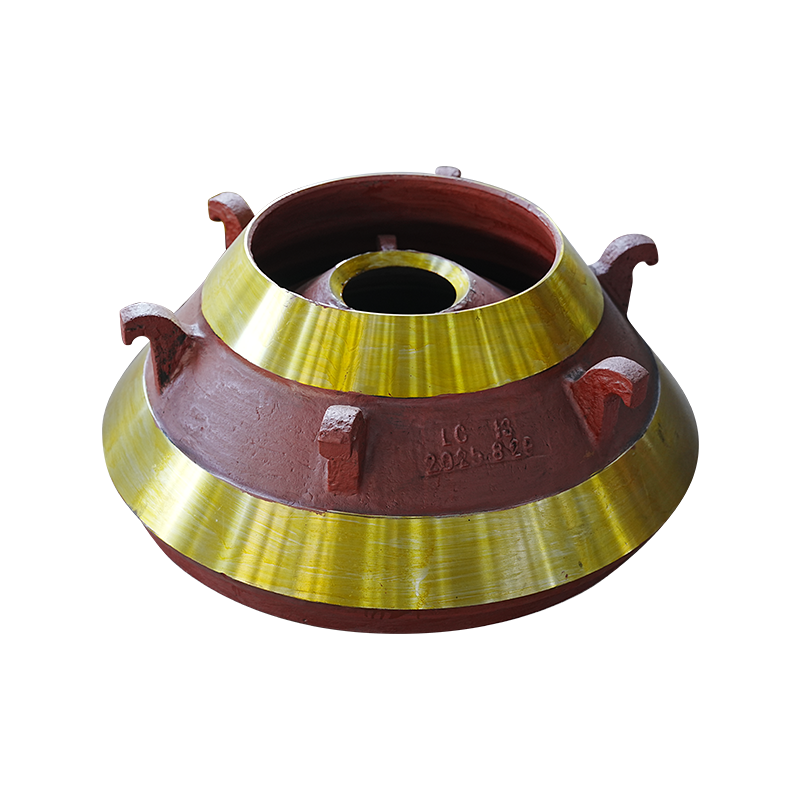
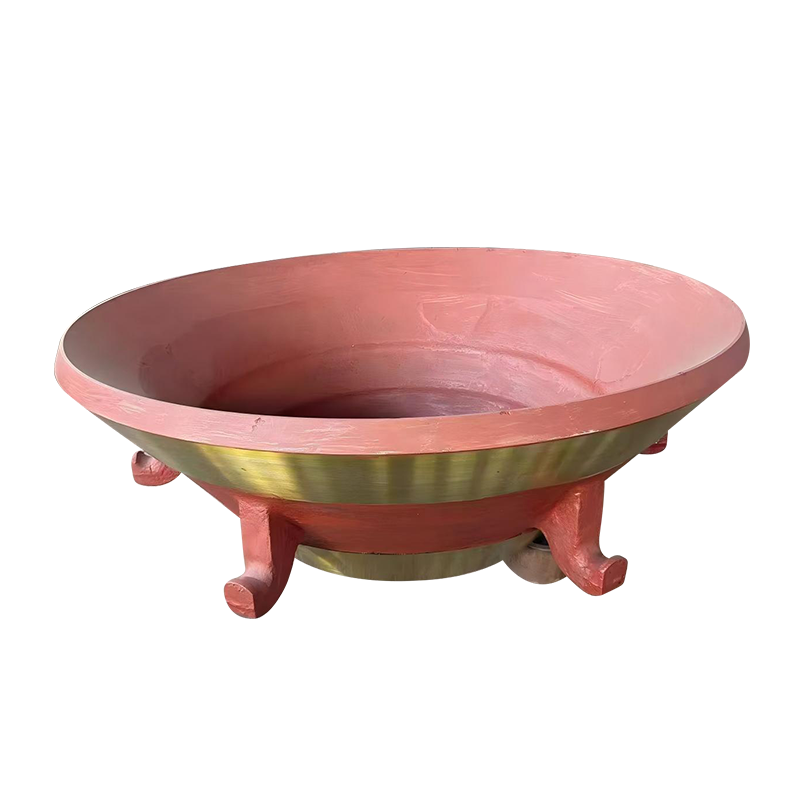
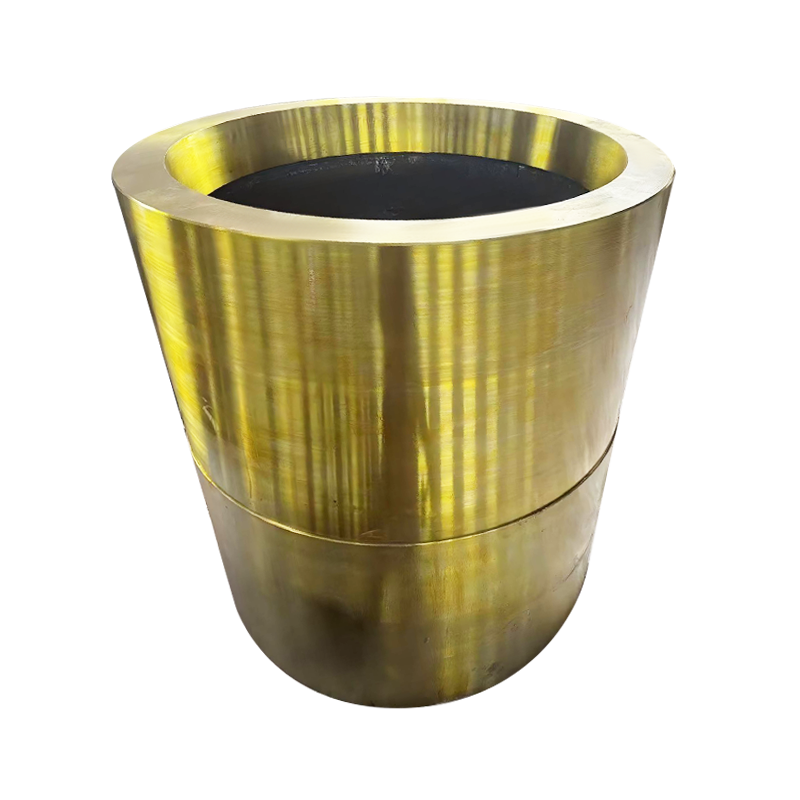
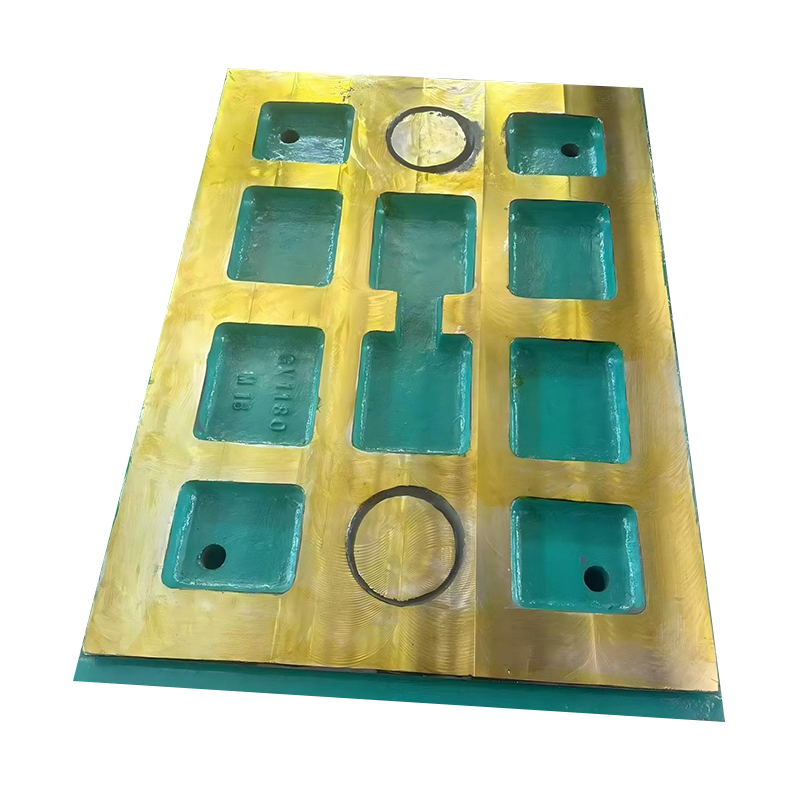
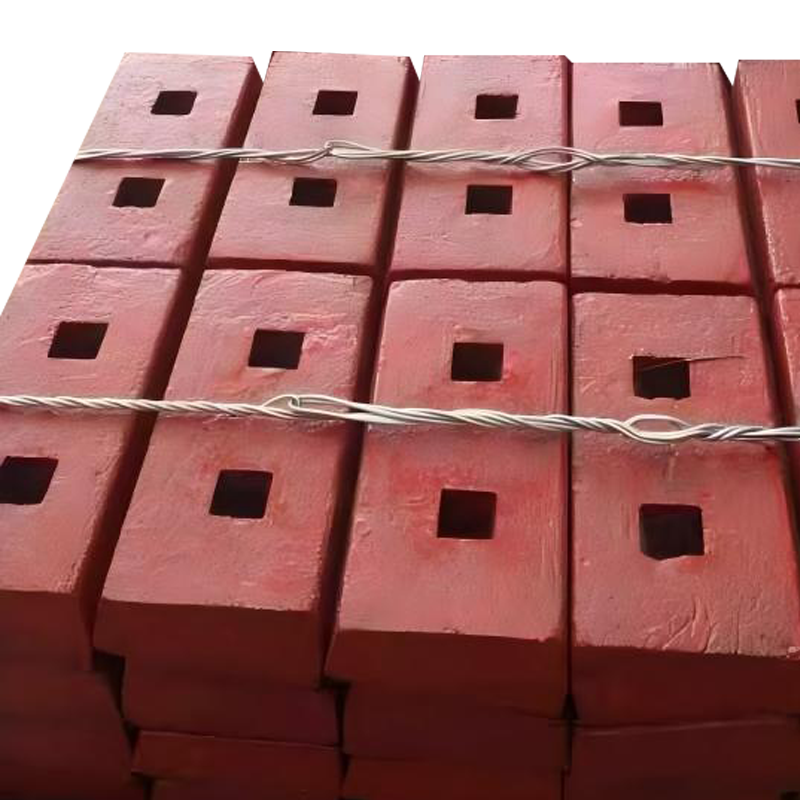
Introduction to Manganese Steel Chain Plates
- Definition and Purpose – A Manganese Steel Chain Plate is a high-strength wear component used extensively in industrial machinery. It is designed to absorb impact, resist abrasion, and protect equipment from material wear and tear.
- Industrial Applications – These plates are essential in crushers, conveyor systems, and screening machines, particularly in mining, quarrying, and material handling industries.
- Significance of Durability – Using Manganese Steel Guard Plates ensures operational reliability, reduces maintenance frequency, and extends the lifespan of equipment exposed to repeated high-impact loads.
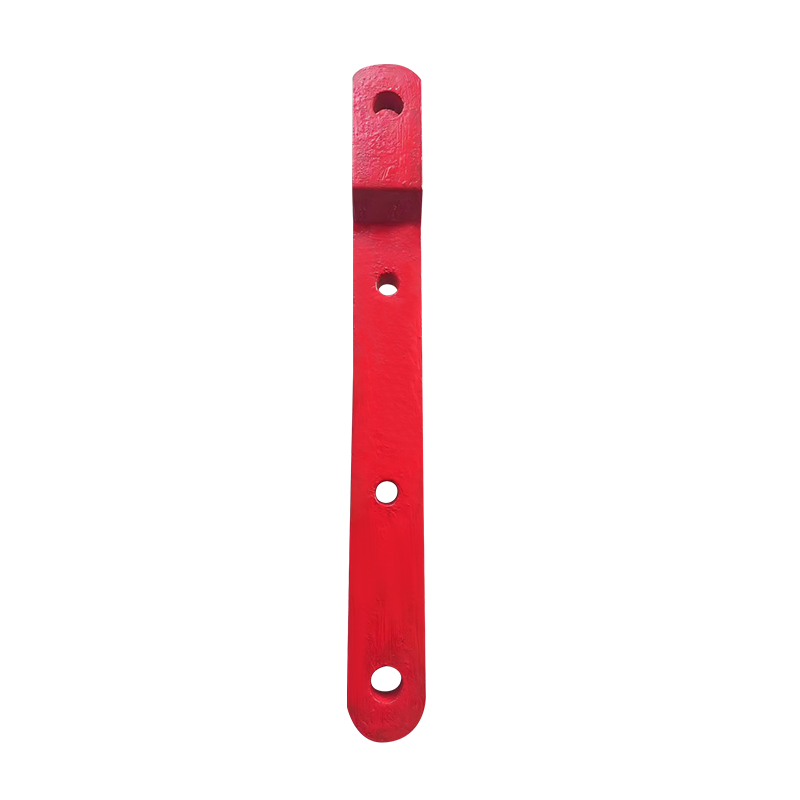
Key Properties of Manganese Steel Toothed Plates
- High Manganese Content – Typically containing 12–14% manganese, these plates combine toughness and hardness in a way that ordinary steels cannot.
- Work Hardening Capability – One of the defining properties is their ability to harden under repeated stress or impact, which significantly increases surface wear resistance over time.
- Ductility and Toughness – Despite surface hardening, Manganese Steel Toothed Plates maintain ductility beneath the hardened layer, allowing controlled deformation without cracking.
- Good Wear Resistance – The combination of toughness and work-hardening ability allows the plates to withstand abrasive materials like ores, rocks, and recycled construction materials.
Understanding Work Hardening in Impact Conditions
- Definition – Work hardening, also known as strain hardening, occurs when the surface of manganese steel is subjected to repeated mechanical stress, increasing surface hardness.
- Mechanism – During impact, dislocations in the steel’s crystalline structure rearrange, producing a hardened outer layer while the interior retains toughness.
- Benefits for Chain Plates – Work hardening enables Manganese Steel Chain Plates to resist wear longer than standard steels, maintaining protective performance under continuous use.
- Practical Relevance – In industrial settings, such as ore crushing or heavy material transport, work hardening allows the plates to adapt to stress, extending operational life.
How Manganese Steel Chain Plates React Under Repeated Impacts
- Initial Stage – When new, Manganese Steel Chain Plates are relatively soft at the surface to absorb shocks without brittle failure.
- Progressive Hardening – As repeated impacts occur, the surface gradually hardens, forming a highly wear-resistant layer.
- Subsurface Toughness – While the surface hardens, the inner material remains ductile, preventing cracks from propagating and absorbing further energy efficiently.
- Impact on Wear Resistance – The work-hardened layer dramatically reduces surface wear from abrasive particles, making Manganese Steel Toothed Plates reliable for extended service.
Factors Influencing Work Hardening Efficiency
- Impact Intensity and Frequency – Greater force and higher repetition accelerate surface hardening and increase the rate of wear resistance improvement.
- Plate Thickness – Thicker Manganese Steel Guard Plates can develop deeper hardened layers while maintaining a tough inner core, preventing catastrophic failures.
- Material Hardness of Contacted Elements – Harder ores or abrasive materials promote faster surface hardening but may increase the risk of surface chipping if not managed properly.
- Environmental Conditions – Temperature, moisture, and particulate content can influence the efficiency of the work-hardening process. Suitable conditions improve surface durability.
- Plate Design and Geometry – Tooth profile and plate curvature affect how impact is distributed and can influence the uniformity of hardening across the surface.
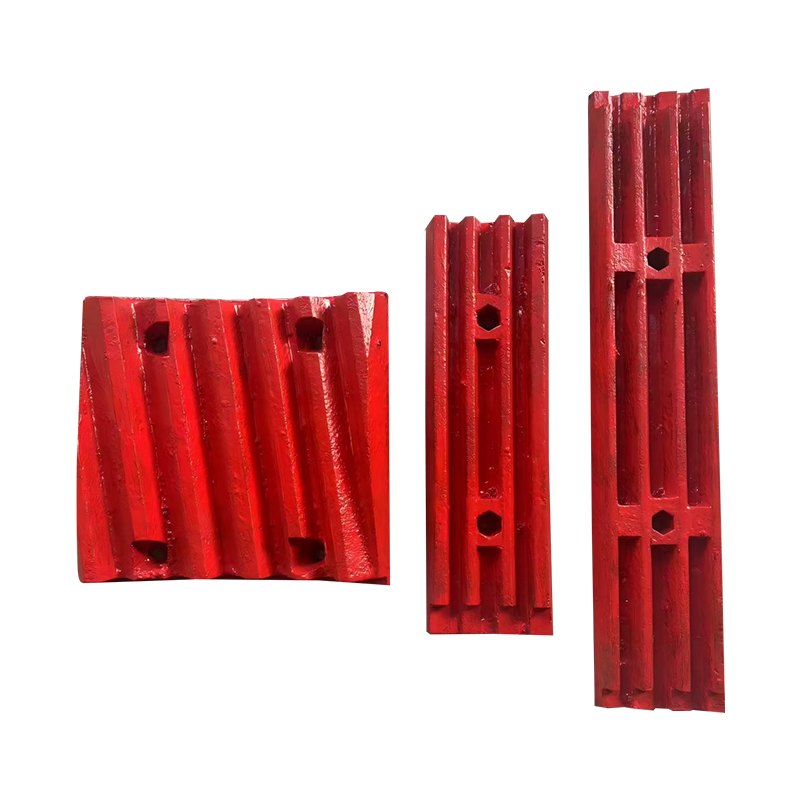
Advantages of Manganese Steel Guard Plates in Impact Applications
- Extended Service Life – The ability to work-harden ensures longer operational periods between replacements compared to conventional steel plates.
- Reduced Maintenance Costs – Less frequent replacements reduce labor and maintenance costs, improving overall operational efficiency.
- Improved Safety and Reliability – Durable plates prevent sudden failure, protecting both machinery and operators in high-stress environments.
- Economic Advantages – Although initial costs are higherthose of ordinary steels, the overall cost of ownership is reduced due to decreased downtime and longer service life.
- Versatility – Suitable for a range of applications, including crushers, conveyors, screening equipment, and other high-impact machinery.
Limitations and Considerations
- Initial Wear Before Hardening – New Manganese Steel Chain Plates may wear slightly faster before a fully hardened surface layer develops.
- Correct Installation Required – Proper orientation and secure mounting are crucial for achieving uniform surface hardening and improving wear resistance.
- High Material Cost – Manganese steel is more expensive than carbon or alloy steels, so analysis is necessary for large-scale applications.
- Localized Stress Risks – Improperly applied impact or excessive load may lead to surface chipping or cracks instead of uniform work hardening.
Optimization Techniques for Hardening Performance
- Proper Mounting and Alignment – Ensures that impacts are distributed evenly across the plate surface, promoting uniform hardening.
- Routine Monitoring – Regular inspections of wear patterns help detect uneven hardening or localized over-stressing early.
- Controlled Loading Practices – Avoiding extreme impact beyond the plate’s design limits prevents cracks and promotes gradual hardening.
- Environmental Management – Reducing abrasive dust, moisture, or corrosive agents can enhance work-hardening efficiency and uniformity.
- Material Quality Control – Ensure manganese content and chemical composition are consistent to improve predictable work-hardening behavior.
Applications of Manganese Steel Toothed Plates in Industry
- Crusher Liners – Used extensively as liners in cone crushers, jaw crushers, and impact crushers, these plates endure repeated high-energy impacts from rocks and ores.
- Conveyor and Chain Protection – Guard plates protect conveyor chains and machinery from wear caused by heavy material transport.
- Screening Machines – Toothed plates reduce wear on screening components exposed to constant material flow, especially in mining and aggregate industries.
- Material Handling – High-impact operations in recycling plants, quarries, and cement manufacturing rely on manganese steel components to resist abrasion and deformation.
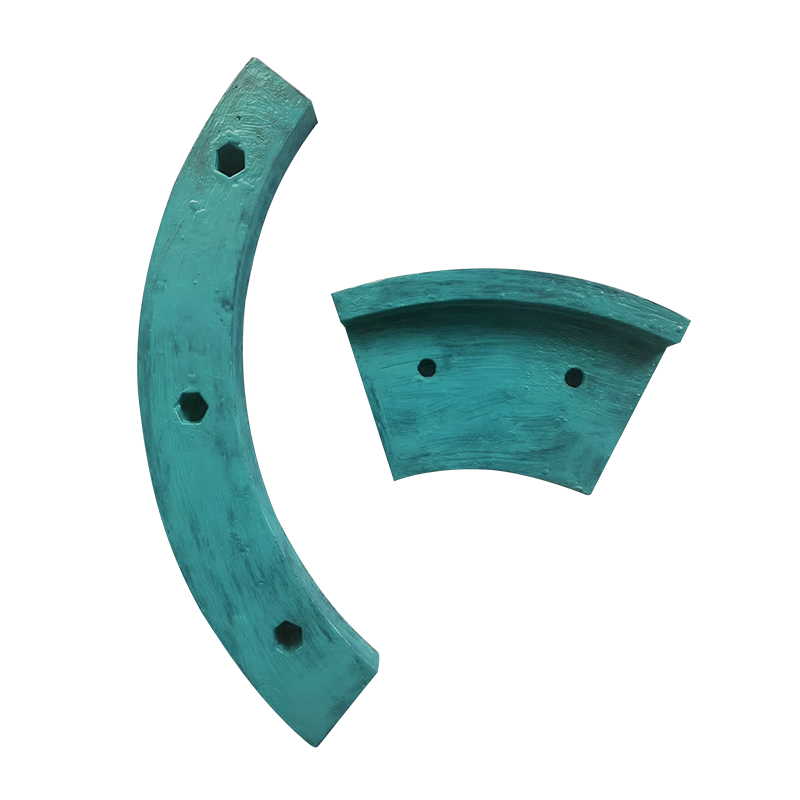
Comparison with Alternative Materials
- Carbon Steel – Lacks work-hardening capability and wears quickly under high-impact conditions.
- Alloy Steel – Offers hardness but may be brittle, increasing the risk of cracking under repeated impact.
- Manganese Steel well – Combines toughness, ductility, and work-hardening ability, making Manganese Steel Guard Plates ideal for sustained high-impact operations.
- Life-Cycle Cost Benefits – Despite higher upfront costs, manganese steel reduces the total cost of ownership due to longer service life and lower maintenance frequency.
Maintenance Practices to Improve Plate Life
- Regular Inspections – Track surface wear depth and hardness uniformity to prevent premature failure.
- Replacement Timing – Replace plates only when wear reaches a critical point to optimize operational efficiency.
- Cleaning and Debris Management – Keeping surfaces free of abrasive dust and particles prevents uneven wear.
- Operator Training – Educating operators on proper load handling, operating speed, and material flow helps achieve suitable work-hardening results.
- Storage and Handling – Proper storage before installation prevents surface damage that could affect hardening and wear resistance.
Case Studies in Industrial Use
- Mining Operations – Mines using manganese steel liners report significantly reduced downtime and replacement frequency compared to carbon steel alternatives.
- Aggregate Processing – Quarries using Manganese Steel Toothed Plates see better wear resistance under high-impact crushing conditions.
- Recycling Facilities – Facilities handling concrete and asphalt debris benefit from manganese steel’s ability to adapt to variable load and impact conditions without catastrophic failure.
- Operational Feedback – Operators frequently report fewer breakdowns, smoother material flow, and longer maintenance intervals when high-quality manganese steel plates are employed.
Future Developments and Innovations
- Material Enhancements – Researchers are experimenting with manganese steel alloys that optimize the balance between hardness and ductility for faster work hardening.
- Surface Treatments – New coating technologies aim to accelerate initial hardening while maintaining the ductile interior.
- Design Improvements – Modified tooth geometries and plate patterns improve impact distribution and hardening uniformity.
- Predictive Maintenance Integration – Combining sensors with manganese steel components allows for monitoring wear and hardness in real time, optimizing replacement cycles.
Manganese Steel Chain Plates, including Manganese Steel Toothed Plates and Manganese Steel Guard Plates, demonstrate good performance under high-impact industrial conditions due to their unique work-hardening behavior. Repeated impacts gradually increase surface hardness, enhancing wear resistance while preserving internal toughness. Factors such as impact intensity, plate thickness, operating environment, and material quality all influence hardening efficiency. Proper installation, routine monitoring, and controlled operating practices ensure performance, making manganese steel plates a reliable choice for crushers, conveyors, screening equipment, and other heavy-duty machinery. By understanding and leveraging the work-hardening properties, industries can achieve longer operational life, reduced maintenance costs, and safer, more efficient equipment operations.





 English
 中文简体
中文简体
 русский