
/ Contact Us
Zhejiang Linchuan Machinery Manufacturing Co., Ltd.
No. 88 Wenbo Road, Jinxi Development Zone, Wucheng District, Jinhua City, Zhejiang Province, China
+86-13605822008
2026-10-16
Comparing equipment quotations is only part of a successful purchasing decision. Two suppliers may offer similar cone crushers at different prices, yet their technical documentation, manufacturing processes, quality controls, and after-sales support can vary considerably. Buyers who evaluate these factors alongside the initial cost can make more informed decisions for quarry projects, mining operations, and aggregate production lines.
At Zhejiang Linchuan Machinery Manufacturing Co., Ltd., we understand that industrial buyers need clear specifications and dependable communication throughout the purchasing process. Our approach to working with customers focuses on understanding application requirements, clarifying technical details, and establishing realistic commercial expectations before an order is confirmed.
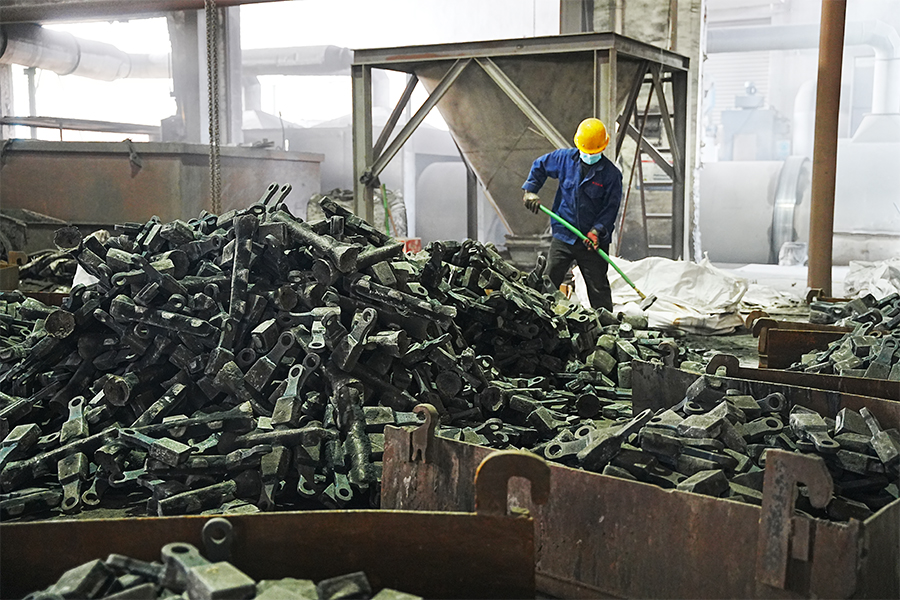
A cone crusher must suit the material being processed and the required output. Comparing catalogue figures without reviewing operating conditions can produce misleading conclusions.
Ask each manufacturer to clarify these parameters:
For example, a crusher processing hard, abrasive granite may require a different configuration from a unit handling softer limestone. Buyers should provide information about feed material, particle size distribution, moisture content, and the required finished product before comparing capacity claims.
Product specifications describe the intended design, while manufacturing controls help demonstrate how consistently the supplier can meet those requirements. Buyers should request evidence rather than relying entirely on catalogue descriptions or general quality statements.
At Linchuan, we encourage customers to define their required quality documentation during the inquiry stage. Clear acceptance criteria help both parties understand the expected manufacturing and inspection scope.
The initial equipment price does not represent the full cost of operating a crushing system. Replacement components, troubleshooting, and technical assistance can affect long-term budgeting and production planning.
During supplier discussions, buyers should ask about:
Buyers should also establish whether technical support is provided directly by the manufacturer or through an authorized service partner. Written details about service scope and response arrangements make supplier comparisons more practical than broad assurances alone.
A lower equipment price may exclude services or expenses included in another quotation. To compare suppliers fairly, buyers should evaluate the complete commercial scope.
A written comparison sheet helps procurement teams identify missing items and calculate a more realistic project budget. Any additional charges or unconfirmed commitments should be clarified before signing the contract.
Effective communication is particularly important for overseas buyers who may not be able to visit the manufacturing facility regularly. Technical questions need specific answers, and important agreements should be recorded in writing.
Evaluate whether each supplier can provide:
Suppliers that communicate limitations clearly can help buyers assess project risks before committing funds. A detailed response to a technical inquiry is more useful than an unsupported promise of universal suitability.
Comparing cone crusher manufacturers requires more than reviewing the initial quotation. Technical suitability, manufacturing controls, spare parts support, commercial transparency, and documentation quality all contribute to a sound purchasing decision.
At Zhejiang Linchuan Machinery Manufacturing Co., Ltd., we welcome inquiries from quarry operators, mining businesses, aggregate producers, and equipment distributors. Share your application details, feed material, target output size, required capacity, and project conditions with our team. These details provide a practical starting point for discussing equipment requirements and clarifying the specifications and commercial terms relevant to your project.
HOT PRODUCTS
interested?
Contact us!

No. 88 Wenbo Road, Jinxi Development Zone, Wucheng District, Jinhua City, Zhejiang Province, China

+86-18869925678
+86-13605822008

Mining Crushing & Sand-Making Manufacturer
 English
 中文简体
 русский