
/ Contact Us
Zhejiang Linchuan Machinery Manufacturing Co., Ltd.
No. 88 Wenbo Road, Jinxi Development Zone, Wucheng District, Jinhua City, Zhejiang Province, China
+86-13605822008
2026-10-09
Price is only one part of a crusher parts purchasing decision. A quotation may appear competitive, yet differences in material grades, part dimensions, inspection requirements, packaging, or shipping terms can change the actual cost of an order. Buyers need to understand exactly what each supplier has included before comparing offers.
At Zhejiang Linchuan Machinery Manufacturing Co., Ltd., we understand that mining operations, quarries, aggregate plants, and equipment distributors need replacement components that match their equipment and operating requirements. Our approach to crusher machine parts inquiries starts with identifying the required component, confirming its technical specifications, and clarifying the commercial terms associated with the order.
The following checklist explains the information buyers should review in a crusher parts quotation before approving a purchase order.
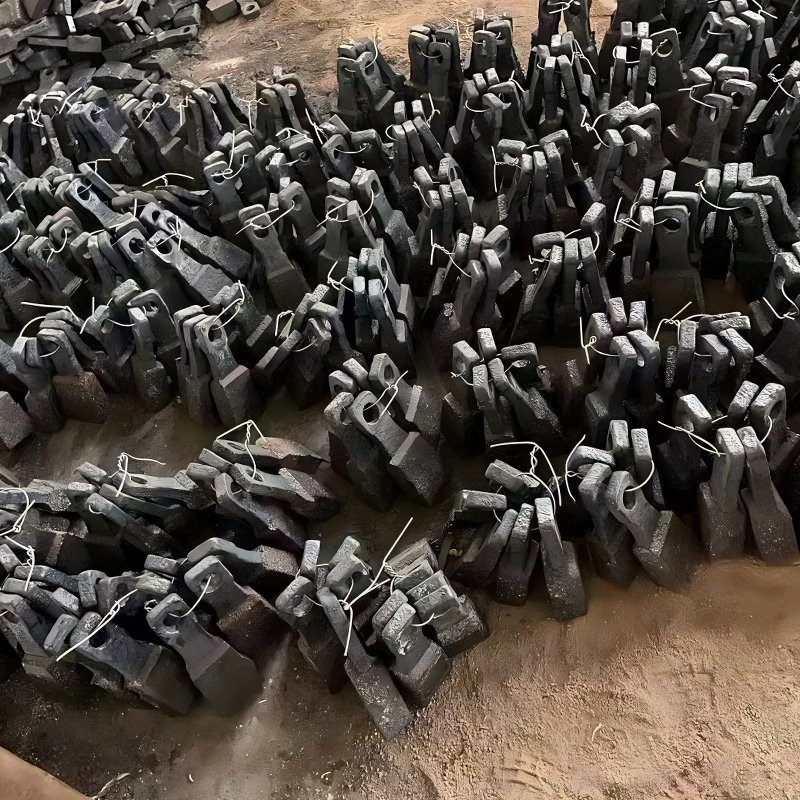
A product name alone may not identify the correct replacement component. Similar crusher models can use different chamber configurations, mounting arrangements, dimensions, or component revisions. An unclear part reference can create problems even before manufacturing begins.
Review the following details in the quotation:
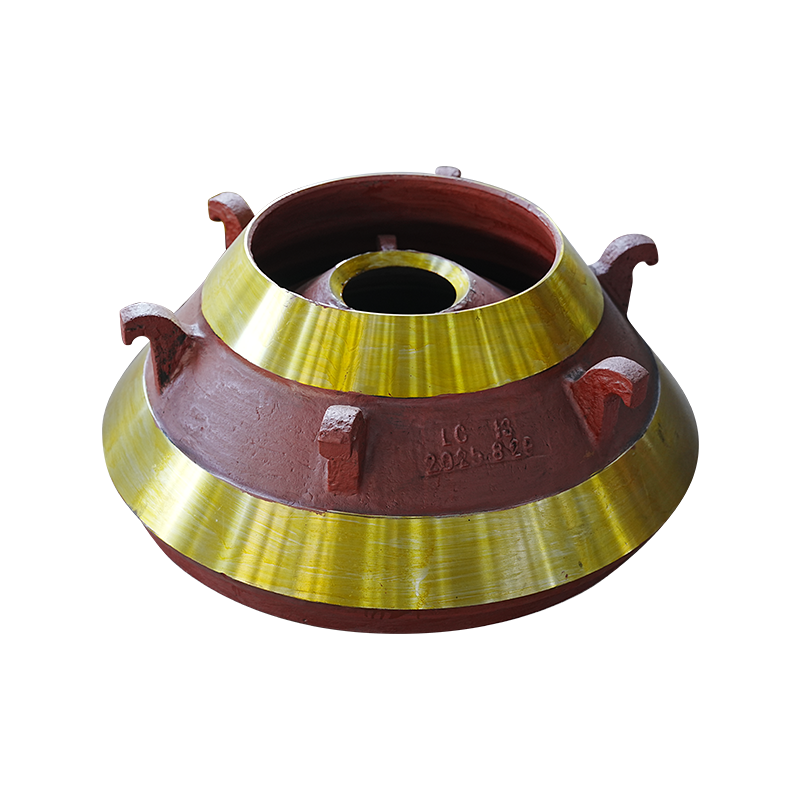
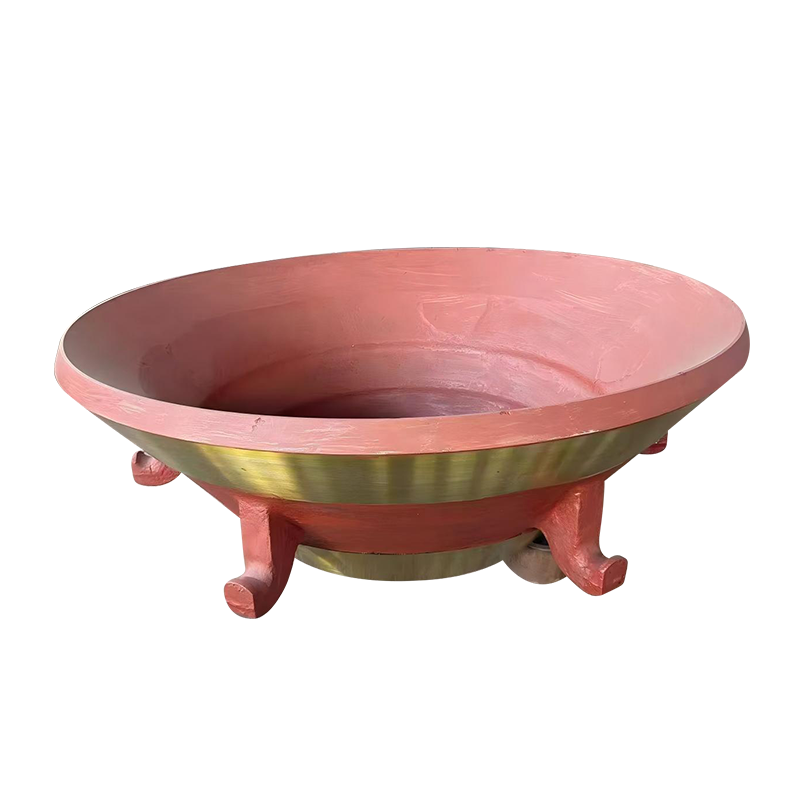
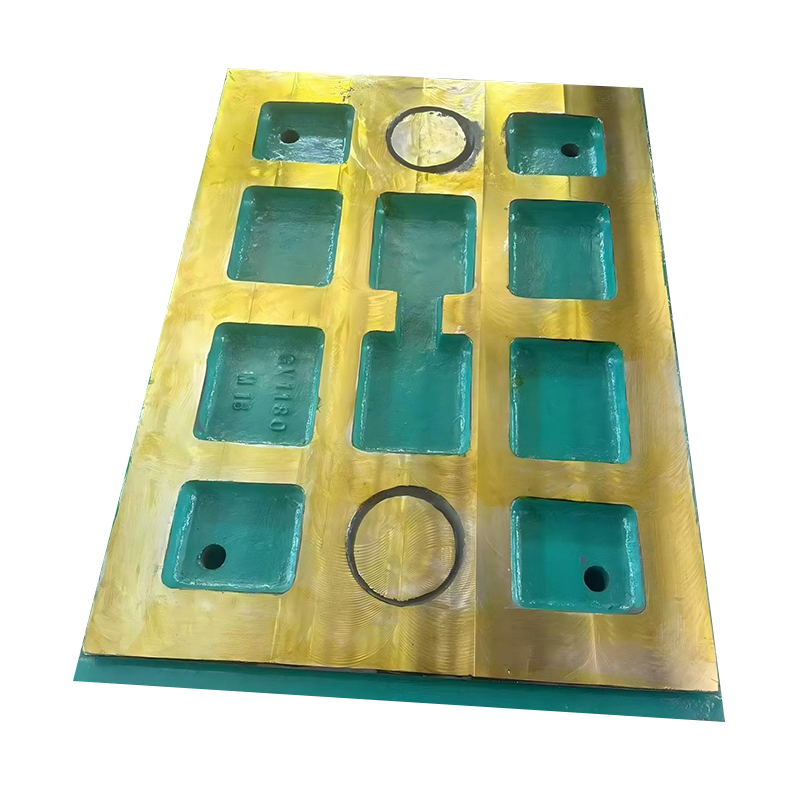
For example, a cone crusher mantle and concave set must correspond to the intended chamber configuration. A jaw plate also requires the correct profile and mounting arrangement. A supplier should not rely on a general model name alone if additional information is needed to establish compatibility.
At Linchuan, we encourage buyers to provide a part number, drawing, clear photographs, or an existing component sample. These references help us clarify the requested scope before commercial terms are finalized.
Crusher components operate under different combinations of abrasion, impact, compression, and material loading. The required material therefore depends on the component design and its actual working conditions. Two quotations for parts with similar external shapes may specify different material compositions or manufacturing processes.
Buyers should verify the following information:
For example, a high-manganese steel wear component may require chemical composition verification and hardness testing after the specified heat treatment. The applicable acceptance range should come from the approved material specification rather than an assumed universal value.
Our recommendation is to compare quotations against the same material and manufacturing requirements. A lower quoted price may reflect a different specification, so the difference should be clarified before the purchase decision.
Dimensional accuracy affects installation, contact between mating surfaces, and the fit of replacement components. A quotation that identifies the part but omits critical dimensional requirements may leave room for different interpretations during production.
Review these technical details before approving the offer:
A dimensioned PDF or controlled CAD drawing can help both parties establish a shared reference. Formats such as STEP or other agreed engineering files may also be useful for complex geometries. Buyers should identify the approved revision and confirm how any discrepancies between a drawing and a sample will be resolved.
At Linchuan, we recommend documenting critical interfaces clearly in the inquiry and quotation. This makes the manufacturing scope easier to review and reduces ambiguity during order confirmation.
Statements such as “quality guaranteed” provide limited information unless the quotation explains how the product will be inspected. Buyers should establish which checks are included in the quoted price and which require a separate agreement.
Depending on the part type and purchase specification, relevant inspection items may include:
Not every inspection method is necessary for every crusher component. The appropriate inspection plan depends on the part's function, material, geometry, and contractual acceptance criteria.
Buyers should also confirm whether reports are supplied with every shipment, provided digitally before dispatch, or made available upon request. Any third-party inspection, witness inspection, or additional testing fee should be identified separately.
Two quotations can list the same component at different prices because their commercial scopes are not identical. A meaningful comparison should account for the full order value and the responsibilities assigned to each party.
Use the following checklist to review the financial terms:
For international orders, the agreed Incoterms rule and named delivery point also deserve attention. For example, an EXW quotation and an FOB quotation allocate transportation responsibilities differently. Buyers should avoid comparing these offers as though they cover identical services.
A useful practice is to prepare a comparison sheet using the same part specifications, quantities, inspection scope, packing requirements, and delivery basis for every supplier.
Crusher parts are frequently purchased to support scheduled shutdowns, equipment commissioning, or distributor replenishment. An unclear production schedule can create planning difficulties, even after the technical specifications have been agreed.
Check whether the quotation identifies:
Buyers should distinguish production completion from dispatch and final delivery. These are separate milestones, particularly for international shipments. A quoted dispatch date does not necessarily represent arrival at the destination port or warehouse.
At Linchuan, we encourage customers to communicate their required dates and project milestones during the quotation stage. This allows the proposed schedule to be reviewed against the actual part specifications and order requirements rather than relying on an unconfirmed general estimate.
Packaging and shipping documentation are sometimes treated as secondary details, yet they form part of the purchase scope. Heavy castings, machined components, and replacement wear parts may require different handling and protection arrangements.
Before approving the quotation, confirm the following:
Documentation requirements vary according to the destination country, customs procedures, contract, and product specification. Buyers should list mandatory documents in the inquiry instead of assuming every supplier includes the same package.
Warranty language should explain the conditions under which a claim may be submitted. A general promise of product quality is not a substitute for clear contractual terms.
Review the following points:
Wear life depends on several variables, including feed material, particle size, operating settings, impact conditions, and maintenance practices. Buyers should be cautious about accepting a guaranteed service-life figure without defined operating conditions and a measurable evaluation method.
Use this summary to check whether a quotation contains enough information for a purchasing decision.
Any unanswered item should be recorded as an open question. Buyers can request a revised quotation or written clarification before issuing the purchase order. This creates a clearer basis for supplier comparison and subsequent order acceptance.
A reliable crusher parts quotation should connect the requested component with its technical specifications, manufacturing scope, inspection requirements, commercial terms, and delivery arrangements. Reviewing these details helps buyers identify differences between offers before those differences become order disputes or unexpected costs.
At Zhejiang Linchuan Machinery Manufacturing Co., Ltd., we welcome inquiries from mining companies, quarry operators, equipment distributors, and industrial buyers seeking crusher components for their applications. Share the machine model, part reference, available drawings, required material, order quantity, destination, and target delivery date with our team. We can then review the information, clarify outstanding requirements, and work toward a quotation that provides a practical basis for your purchasing decision.
HOT PRODUCTS
interested?
Contact us!

No. 88 Wenbo Road, Jinxi Development Zone, Wucheng District, Jinhua City, Zhejiang Province, China

+86-18869925678
+86-13605822008

Mining Crushing & Sand-Making Manufacturer
 English
 中文简体
中文简体
 русский