
/ Contact Us
Zhejiang Linchuan Machinery Manufacturing Co., Ltd.
No. 88 Wenbo Road, Jinxi Development Zone, Wucheng District, Jinhua City, Zhejiang Province, China
+86-13605822008
2026-06-26
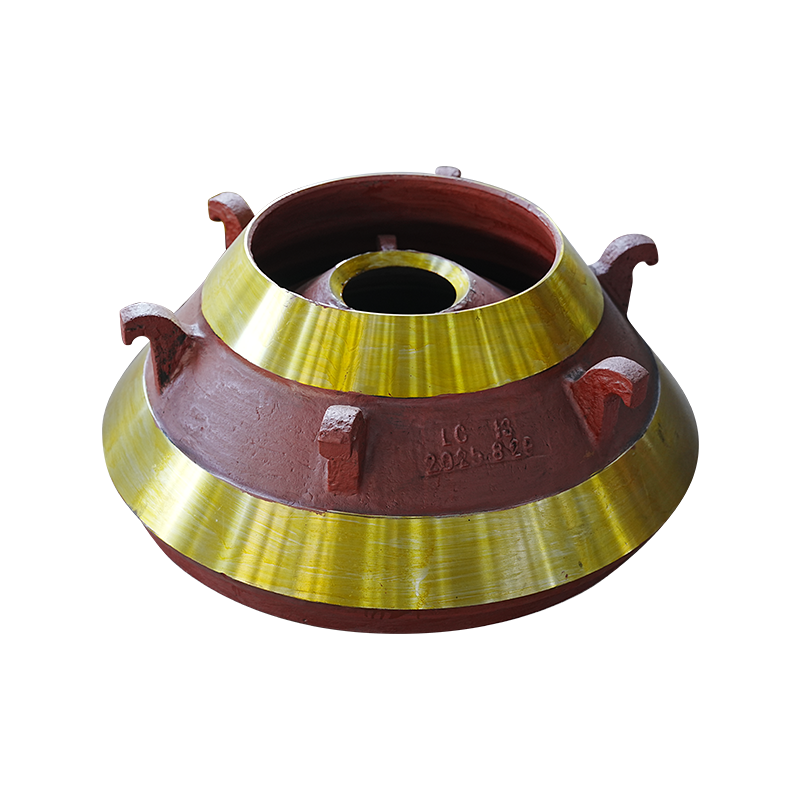
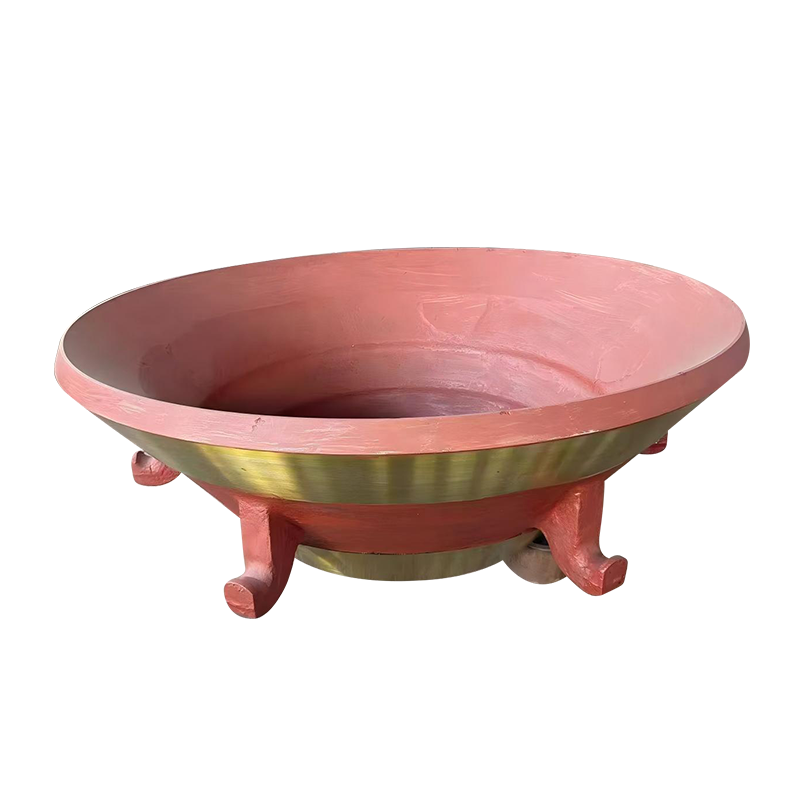
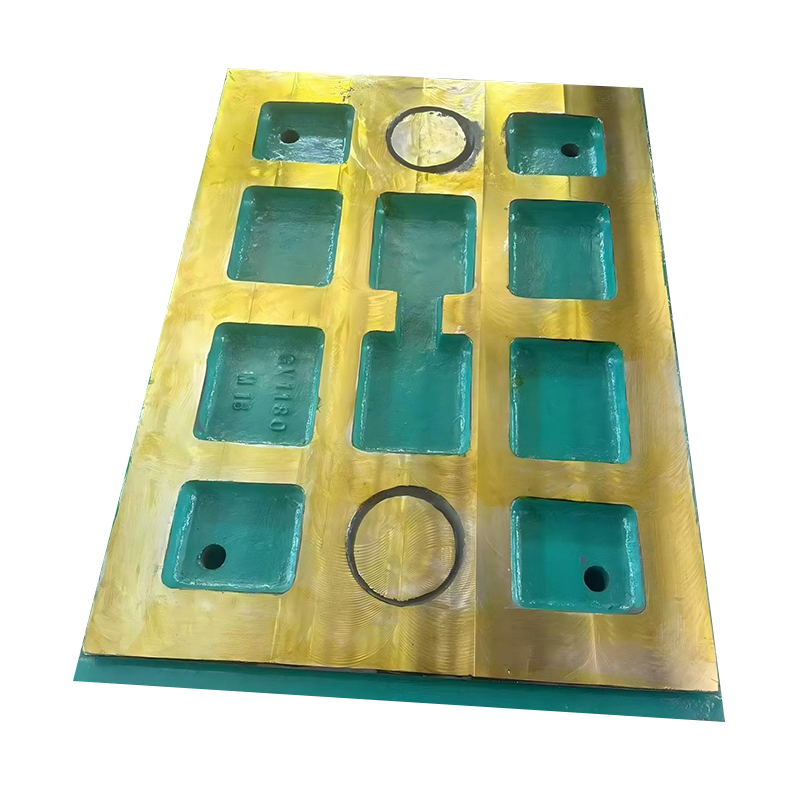
High Manganese Steel Fittings are widely used in crushing and grinding systems because of their strong impact resistance and work-hardening behavior. Mining, quarrying, and cement plants rely on this material for jaw plates, liners, and various impact components. Yet field experience shows that performance is not always consistent across different operating conditions. Material selection errors remain one of the major causes of unexpected wear or fracture in crusher systems, especially where abrasion and impact conditions shift frequently during production cycles.
The behavior of high-manganese alloys depends heavily on impact intensity, feed characteristics, and stress distribution inside the crushing chamber. A mismatch between material properties and working environment can reduce service life significantly, even though the alloy itself is considered highly durable under correct conditions.
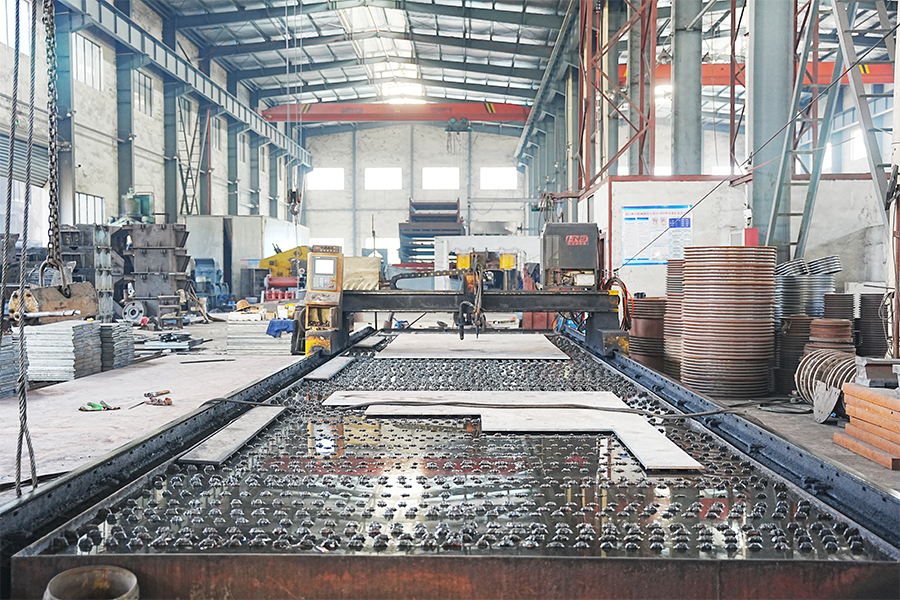
High manganese steel relies on surface deformation to increase hardness during operation. This mechanism performs well under strong impact loading, but becomes less effective in low-energy environments.
Key characteristics of this behavior:
Without sufficient impact energy, the surface remains softer than expected, resulting in accelerated abrasive wear. This explains why some crusher components wear faster even though they are made from a material known for long service life.
Not all crushing environments generate strong shock loading. Some systems operate under steady grinding or sliding wear rather than heavy impact.
Typical abrasion-heavy scenarios:
In these conditions, High Manganese Steel Fittings may not achieve full work hardening. Surface layers remain in a partially hardened state, which reduces resistance against sliding abrasion. Other alloy systems with higher initial hardness may perform more consistently under these conditions.
High-chromium alloys behave differently under similar working environments. Instead of relying on deformation hardening, they provide high initial hardness through carbide structures.
High chromium materials typically offer:
By contrast, manganese steel prioritizes energy absorption rather than immediate surface hardness. This difference creates a clear separation in application suitability. Crushing systems with mixed impact and abrasion conditions often require careful balancing between these two material types.
Crusher performance is strongly influenced by feed consistency. Even well-designed equipment may experience uneven stress distribution when material properties fluctuate.
Common operational issues affecting wear parts:
These factors cause localized stress spikes. Under repeated cycles, micro-cracks may form in high-manganese components, especially near edges or mounting zones where stress concentration is higher.
Production quality plays a major role in determining real-world performance of manganese-based components. Even minor deviations during casting or heat treatment can change mechanical behavior.
Critical manufacturing influences:
A component with identical chemical composition may still behave differently depending on processing accuracy. This variation contributes to inconsistent service life observed in field applications.
Crusher wear parts are not subjected to uniform stress. Instead, forces accumulate at specific geometry points.
Common high-stress zones include:
Repeated loading at these locations gradually develops fatigue damage. Once micro-cracks expand beyond a critical size, fracture may occur without obvious external warning signs.
Even though failure may appear sudden, several observable changes often occur beforehand:
These signs indicate that internal stress accumulation is progressing. Early detection helps prevent unexpected shutdowns and secondary damage to surrounding components.
High manganese steel remains a valuable material in crushing machinery, especially under strong impact conditions. However, its performance is highly dependent on operating environment and system stability. Matching material behavior with real working conditions is essential, since Crushing Machinery And Accessories do not fail randomly—they respond to stress patterns shaped by design, feed consistency, and long-term mechanical interaction.
HOT PRODUCTS
interested?
Contact us!

No. 88 Wenbo Road, Jinxi Development Zone, Wucheng District, Jinhua City, Zhejiang Province, China

+86-18869925678
+86-13605822008

Mining Crushing & Sand-Making Manufacturer
 English
 中文简体
中文简体
 русский