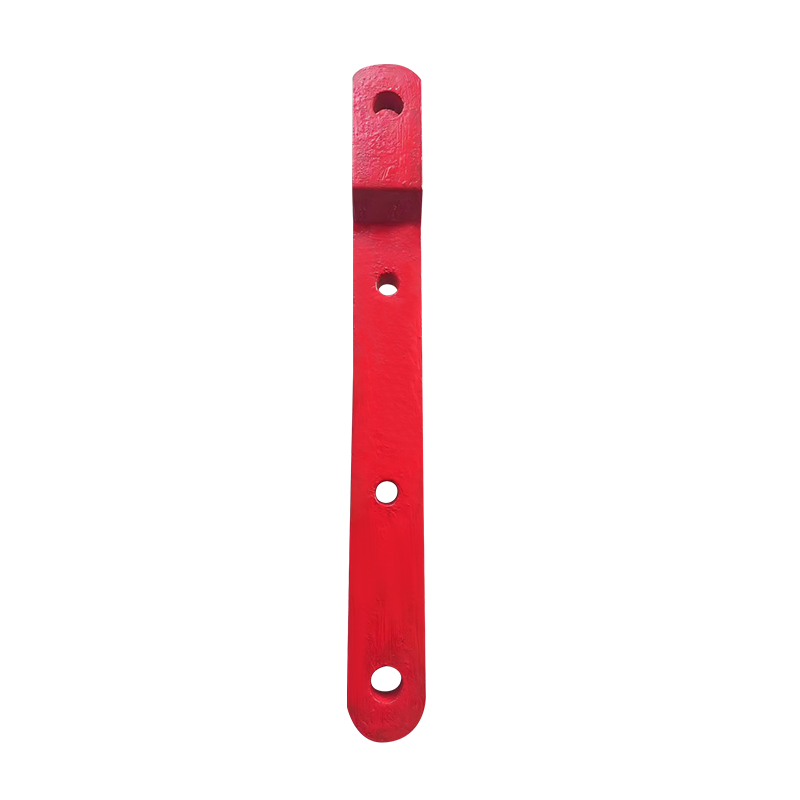
Difference Between High Chromium Cast Iron Fittings and Ordinary Cast Iron Fittings?
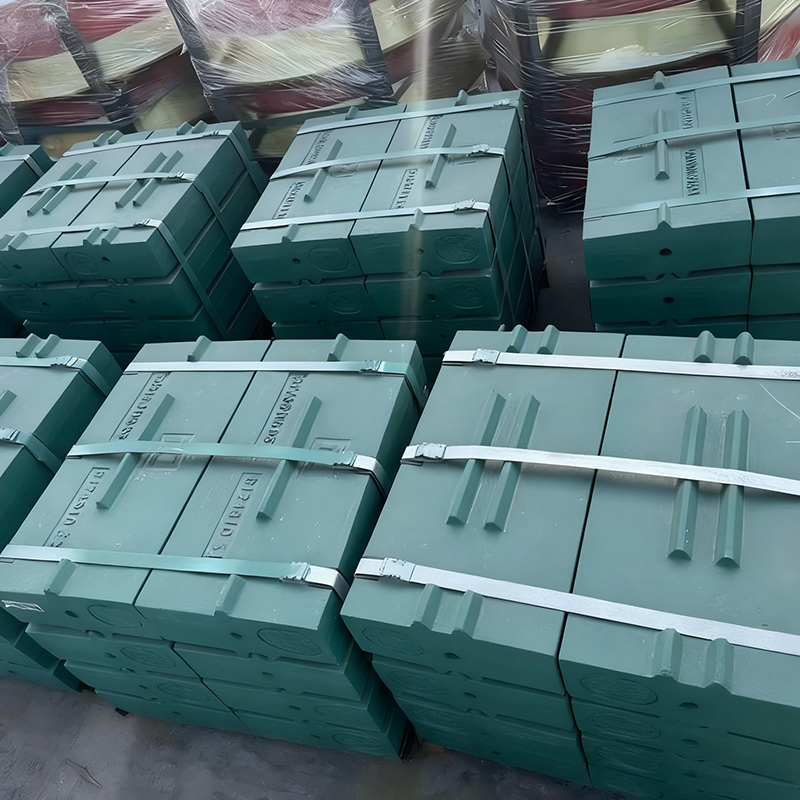
In mining, cement, and heavy industrial production lines, wear-resistant components play a critical role in maintaining equipment stability and reducing maintenance costs. High Chromium Cast Iron Fittings are widely used in these industries because they offer significant advantages compared with ordinary cast iron fittings.
1. Material Composition Differences
Ordinary cast iron mainly contains iron, carbon, and small amounts of silicon, forming a structure that includes graphite flakes. In contrast, high chromium cast iron includes a higher chromium content, which forms hard chromium carbides within the metal matrix. These carbides dramatically increase hardness and wear resistance.
2. Good Wear Resistance
Because of the presence of chromium carbides, high chromium fittings can withstand intense abrasion from sand, ore particles, and other hard materials. Ordinary cast iron components tend to wear faster in such environments, requiring more frequent replacements.
3. Service Life in Harsh Conditions
Components made from high chromium alloys generally last much longer in high-impact and high-abrasion environments. This extended lifespan helps reduce downtime and improve the overall efficiency of mining and material processing systems.
4. Typical Applications
Ordinary cast iron fittings are commonly used in low-stress environments such as water pipelines or general machinery. High chromium fittings, however, are designed for demanding applications like crushers, slurry pipelines, and mineral processing systems.
5. Cost and Long-Term Value
Although high chromium fittings usually cost more initially, their longer service life and lower replacement frequency often provide better long-term economic value.
Are High-Chromium Hammerheads Likely to Break When Crushing Hard Rock?
Crushing hard rocks such as granite, basalt, and quartz requires durable hammer components that can withstand strong impact forces. High-Chromium Hammerheads are widely used in crushing equipment because they offer good wear resistance and high hardness.
- High Hardness and Abrasion Resistance
High chromium alloys contain large amounts of chromium carbides, which significantly increase hardness. This makes the hammerheads highly resistant to abrasion during the crushing process.
- Performance in Hard Rock Crushing
When properly designed and heat-treated, these hammerheads are capable of handling the heavy impacts generated during hard rock crushing. Their durability helps maintain efficient crushing performance over extended periods.
- Potential Brittleness Considerations
High-hardness materials can sometimes be less ductile than other alloys. However, modern manufacturing processes carefully control composition and heat treatment to improve toughness and reduce the risk of fracture.
- Proper Operating Conditions
To reduce the possibility of breakage, crushers must operate within recommended parameters. Excessive feed size, metal contamination, or improper installation can increase stress on hammerheads and shorten their service life.
- Advantages in Abrasive Applications
Compared with traditional steel hammerheads, high-chromium versions typically maintain their working surfaces longer, which helps keep crushing efficiency stable.
What Advantages Do Wear-Resistant High Chromium Cast Iron Pipes Have Over Wear-Resistant Steel Pipes?
In many mining operations, pipelines transport abrasive materials such as slurry, crushed ore, and sand. Wear-Resistant High Chromium Cast Iron Pipes are designed to handle these demanding conditions more effectively than many traditional materials.
1. Good Abrasion Resistance
The high chromium content creates hard carbide phases that provide good resistance to abrasive wear. This makes these pipes particularly suitable for transporting materials that would quickly erode standard steel pipes.
2. Extended Service Life
Because of their strong resistance to wear, high chromium pipes often last significantly longer in slurry transportation systems. This reduces maintenance frequency and reduces production interruptions.
3. Stable Performance in Harsh Environments
These pipes perform well in environments where solid particles constantly move through the pipeline. Their structural strength helps maintain consistent flow conditions even under heavy loads.
4. Lower Maintenance Costs Over Time
Although initial investment may be higher, the longer service life and reduced replacement frequency can lower overall operating costs.
5. Reliable Use in Mining Transport Systems
When correctly installed and matched with the appropriate pipeline design, high chromium cast iron pipes offer dependable performance in mineral processing plants and heavy industrial transport systems.

 English