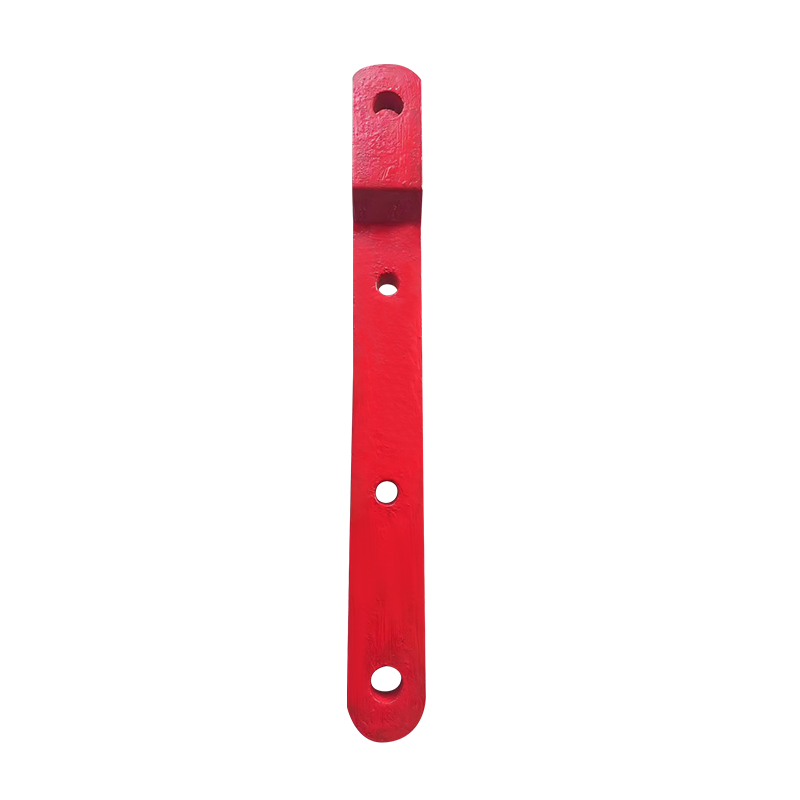
Choose High-Wear-Resistant Hammer Crusher Spare Parts?
Selecting the right Hammer Crusher Spare Parts is crucial for ensuring stable crushing performance and reducing maintenance costs. High-quality spare parts can significantly improve equipment efficiency and extend the overall service life of the crusher.
1. Consider the Material Composition
Wear-resistant parts are often made from high manganese steel, alloy steel, or composite materials. These materials provide good toughness and abrasion resistance, allowing the components to withstand repeated impacts during crushing operations.
2. Evaluate Heat Treatment Processes
Proper heat treatment enhances hardness and strength while maintaining toughness. Well-treated parts resist cracking and deformation, which helps maintain consistent crushing performance.
3. Check the Design and Structure
The component's design plays an important role in wear resistance. Optimized shapes and balanced structures help distribute impact forces more evenly, reducing localized stress and extending service life.
4. Verify Manufacturing Quality
Precision casting and machining improve the accuracy of spare parts. High manufacturing standards ensure proper installation and stable operation inside the crusher.
5. Match Parts to the Crushing Material
Different rocks have different hardness and abrasiveness. Selecting parts specifically designed for the material being processed helps improve durability and reduce unnecessary wear.
The Hammers of Stone Hammer Crusher Parts Wear Easily?
The hammers used in the Stone Hammer Crusher Parts are directly responsible for impacting and breaking rocks. Because they experience continuous collisions with hard materials, they are among the heavily worn components in the crushing system.
- Direct Impact with Hard Materials
During operation, hammer heads repeatedly strike stones at high speed. When processing hard rocks such as granite or basalt, the intense impact can accelerate wear.
- High-Speed Rotor Movement
Hammer crushers operate at high rotational speeds. The constant high-energy impacts increase friction and abrasion between the hammer surfaces and the materials being crushed.
Some rocks contain quartz or other hard minerals. These abrasive particles grind against the hammer surfaces, gradually reducing their thickness and efficiency.
- Improper Feeding Conditions
Uneven feeding or oversized materials can cause excessive stress on certain hammer areas. This uneven load can cause faster localized wear.
- Long-Term Continuous Operation
Crushers in mining and aggregate plants often run for extended periods. Continuous operation without timely inspection may accelerate hammer deterioration.
Hammer Crusher Wear Parts Wear Faster During Crushing Operations?
The components known as Hammer Crusher Wear Parts are designed to handle heavy impacts and abrasive materials. However, several operational and environmental factors can cause them to wear more quickly.
1. High Impact Forces
Crushing relies on powerful impacts to break stones into smaller pieces. These repeated collisions gradually wear down the surfaces of the wear parts.
2. Material Hardness and Abrasiveness
Hard rocks with rough surfaces increase friction inside the crusher chamber. This constant friction accelerates the loss of material from wear components.
3. Improper Crusher Settings
Incorrect rotor speed or improper clearance between components may cause excessive contact between materials and wear parts, increasing wear rates.
4. Poor Maintenance Practices
Lack of regular inspection may allow small wear issues to become more serious. Timely maintenance helps detect problems early and prevents excessive damage.
5. Imbalanced Wear Distribution
If materials are not evenly distributed in the crushing chamber, certain areas may experience heavier loads. This uneven stress can shorten the lifespan of specific components.
Proper material selection, correct operation, and routine maintenance are essential for reducing wear and ensuring stable crushing performance in hammer crusher systems.

 English