
/ Contact Us
Zhejiang Linchuan Machinery Manufacturing Co., Ltd.
No. 88 Wenbo Road, Jinxi Development Zone, Wucheng District, Jinhua City, Zhejiang Province, China
+86-13605822008
2026-09-11
Rock, ore, recycled concrete, limestone and other feed materials do not create the same crushing conditions. Differences in hardness, abrasiveness, feed size and impact intensity can change how a wear component behaves inside the crusher. This makes material compatibility an important consideration for crusher machine spare parts, especially jaw plates, cone liners, hammer heads and impact crusher blow bars.
Hardness alone does not determine wear. A large piece of hard rock can generate substantial impact, while fine abrasive particles may create continuous surface abrasion. Moisture and material shape can also influence the crushing chamber and wear pattern. Crusher wear-part selection guides commonly consider feed material, feed size, abrasiveness and uncrushable elements together rather than treating them as separate factors.
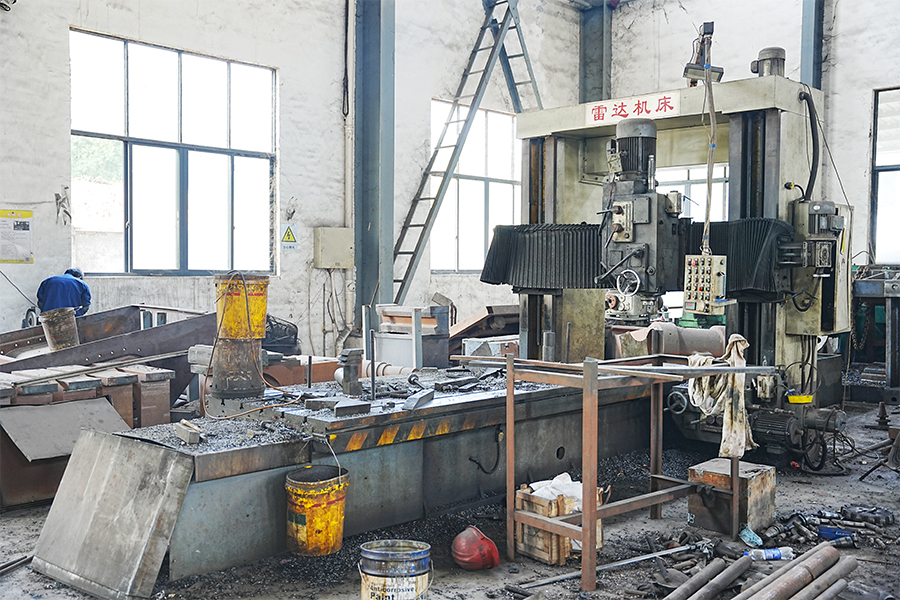
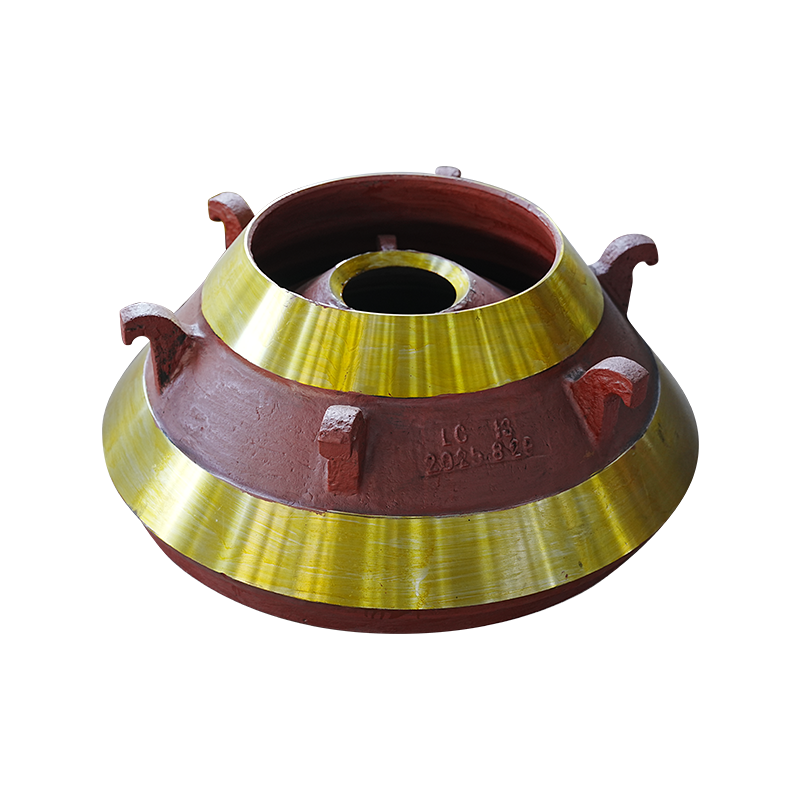
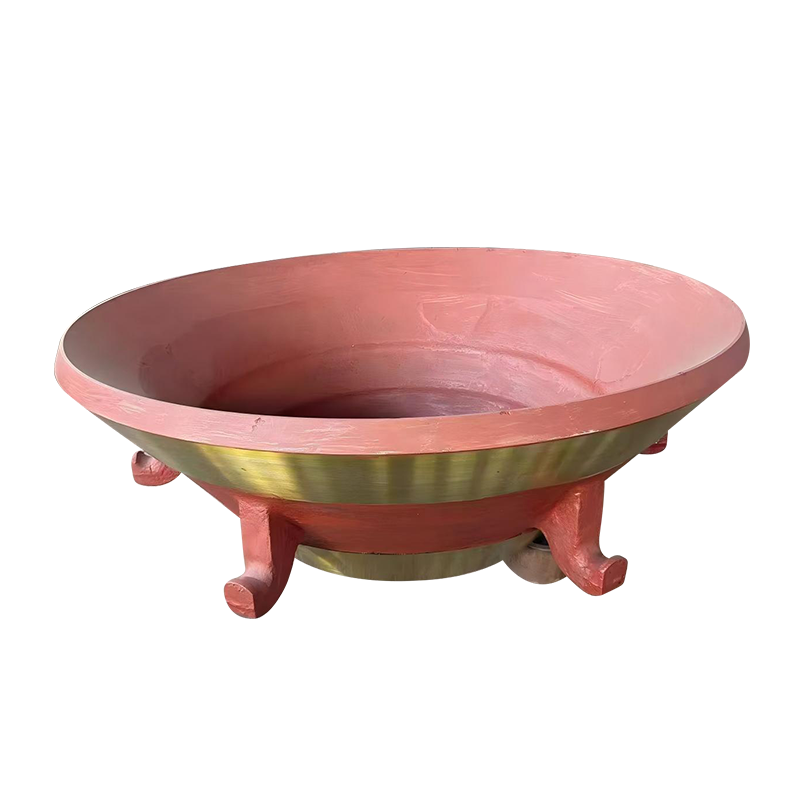
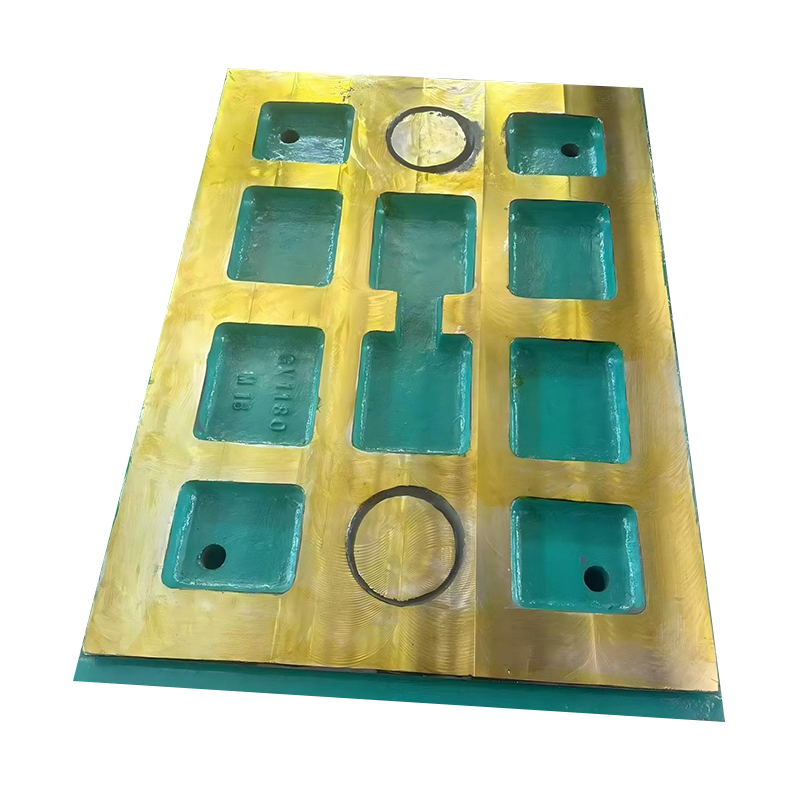
High manganese steel remains widely used for jaw plates, cone liners and selected impact crusher components because its surface can harden under repeated impact while the internal structure retains toughness. Common grades include Mn13, Mn13Cr2 and Mn18Cr2, with higher manganese or chromium content used for specific impact and abrasion conditions.
Such characteristics make manganese-based crusher machine spare parts suitable for applications involving large feed pieces or occasional tramp metal. A manganese blow bar can be more forgiving under impact than a harder but more brittle alloy.
Large feed can create concentrated impact loads on wear components. Excessive feed size may damage a blow bar or accelerate wear around the working edge. Some technical references specify that feed size should remain within the designed range of the rotor and blow bar geometry. High-chrome blow bars, for example, are commonly associated with smaller, controlled feed and abrasive applications rather than large feed containing uncrushable metal.
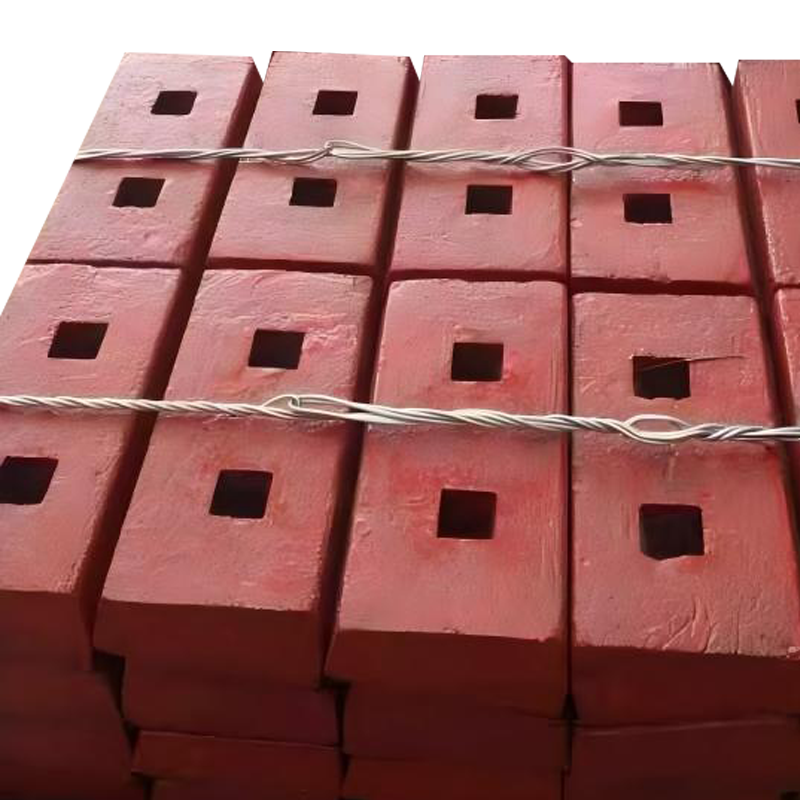
That distinction is particularly important for Crusher Hammer Head Spare Parts and impact crusher blow bars. A component with high hardness may resist abrasive wear effectively, yet excessive impact can increase the risk of cracking or breakage.
High chrome crusher components typically rely on hard chromium carbides to resist abrasive wear. Some high-chrome blow bars are produced around Cr26–Cr28 compositions and can reach approximately 58–62 HRC, making them suitable for medium-to-high abrasion applications with controlled feed conditions.
Clean abrasive stone, manufactured aggregates and carefully controlled secondary crushing can therefore create conditions where high-chrome parts perform well. Feed containing rebar, bolts or other uncrushable metal requires greater caution because excessive impact can damage brittle high-chrome material.
Universal compatibility is difficult because crusher components balance hardness, toughness and abrasion resistance differently. A jaw plate working with large granite feed has different demands from a blow bar processing fine abrasive stone. Likewise, Mining Crusher Machine Spare Parts used for iron ore may require a different alloy strategy from components used for limestone.
Feed material should therefore be treated as a technical specification rather than simply a description of the application. Crusher model, feed size, rock hardness, abrasiveness, crushing stage and the presence of uncrushable materials all provide useful information for determining the suitable wear-part material.
Properly matched crusher machine spare parts can provide a better balance between impact resistance and abrasion resistance. Rather than relying on hardness alone, buyers can evaluate the actual feed conditions and choose jaw plates, hammer heads, liners or blow bars according to the mechanical demands placed on each component.
HOT PRODUCTS
interested?
Contact us!

No. 88 Wenbo Road, Jinxi Development Zone, Wucheng District, Jinhua City, Zhejiang Province, China

+86-18869925678
+86-13605822008

Mining Crushing & Sand-Making Manufacturer
 English
 中文简体
中文简体
 русский