
/ Contact Us
Zhejiang Linchuan Machinery Manufacturing Co., Ltd.
No. 88 Wenbo Road, Jinxi Development Zone, Wucheng District, Jinhua City, Zhejiang Province, China
+86-13605822008
2026-08-28
Crusher downtime is often associated with visible problems such as broken components, reduced output, or unusual machine vibration. However, many wear part failures begin with small changes that operators may overlook during daily production. Uneven surface loss, hidden cracks, incorrect material matching, and abnormal impact conditions can gradually reduce component performance before a serious breakdown occurs.
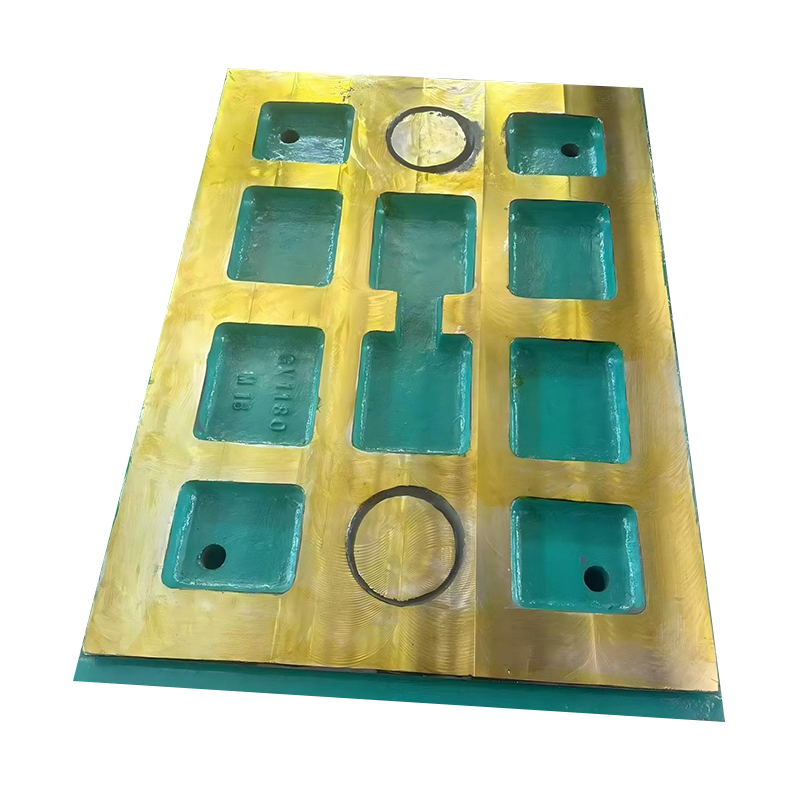
Among various wear components, manganese wear plate is widely used in crushing applications because of its combination of toughness and work-hardening ability. However, manganese steel does not automatically solve every wear problem. Its performance depends on whether the material grade, operating environment, and crusher conditions are properly matched.
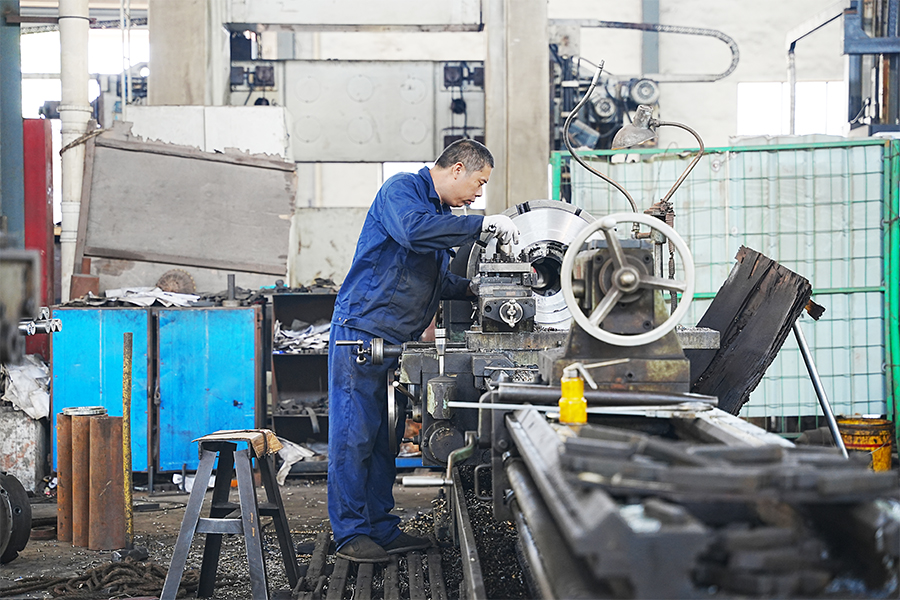
Many operators know that manganese steel becomes harder during operation, but fewer understand the conditions required for this process. Manganese alloys rely on impact pressure to transform the surface layer into a harder structure while maintaining a tougher internal area.
Without sufficient impact energy, the surface may not achieve the expected hardening effect. As a result, the plate can experience faster material removal, especially in applications dominated by sliding abrasion rather than impact crushing.
Not every crushing application requires the same manganese composition. Different grades provide different balances between toughness and surface hardness.
A manganese plate used for soft rock crushing may not perform well in applications involving highly abrasive materials such as granite or quartz-rich stone. On the other hand, extremely hard alloys may not be suitable for environments where heavy impact resistance is required.
Material selection should consider hardness, abrasiveness, feed size, and crushing pressure instead of focusing on chemical composition alone.
One problem that operators often miss is uneven material distribution inside the crushing chamber. A crusher may continue running normally while certain areas of the wear plate receive much higher loading than others.
Continuous uneven impact creates localized stress concentration. Over time, some sections of the plate become thinner faster, which changes the crushing chamber profile and affects overall performance.
Maintaining balanced feeding conditions helps distribute crushing forces more evenly and reduces irregular wear patterns.
Visible breakage is usually the final stage of wear damage. Before a manganese plate fractures, small surface cracks or internal fatigue areas may already exist.
Repeated impact cycles create stress accumulation inside the metal structure. After thousands of crushing actions, these stresses may expand and eventually cause cracking or partial breakage.
Studies on crusher component failures indicate that cracking, fracture, and surface wear are often related to combined effects of impact forces, abrasive particles, and unsuitable material properties.
Even a properly manufactured manganese wear plate may experience early failure because of installation problems. Loose fixing systems, incorrect positioning, or poor contact between components can create additional stress during operation.
A plate that moves slightly during crushing receives repeated secondary impacts. This movement accelerates wear and may damage supporting structures.
Operating parameters also play an important role in component life. Incorrect crusher settings may increase pressure on wear surfaces and create abnormal contact conditions.
For example, excessive feed size, unsuitable discharge settings, or unstable operating loads can increase stress on manganese components. These conditions may reduce the expected working period even with quality wear plates.
Understanding why crusher components fail is more valuable than simply replacing damaged parts. Wear patterns provide information about material compatibility, operating conditions, and potential improvements.
A detailed review of damaged manganese wear plate surfaces can reveal whether the problem comes from abrasion, impact loading, installation issues, or unsuitable alloy selection.
Modern crushing operations require a more complete approach to wear management. By analyzing failure causes and matching materials with actual working conditions, operators can reduce unexpected replacements and maintain more stable crushing performance.
Crusher wear failures are rarely caused by one single issue. The combination of material technology, equipment operation, and application knowledge determines how effectively a wear plate performs under real production conditions.
HOT PRODUCTS
interested?
Contact us!

No. 88 Wenbo Road, Jinxi Development Zone, Wucheng District, Jinhua City, Zhejiang Province, China

+86-18869925678
+86-13605822008

Mining Crushing & Sand-Making Manufacturer
 English
 中文简体
中文简体
 русский