
/ Contact Us
Zhejiang Linchuan Machinery Manufacturing Co., Ltd.
No. 88 Wenbo Road, Jinxi Development Zone, Wucheng District, Jinhua City, Zhejiang Province, China
+86-13605822008
2026-08-21
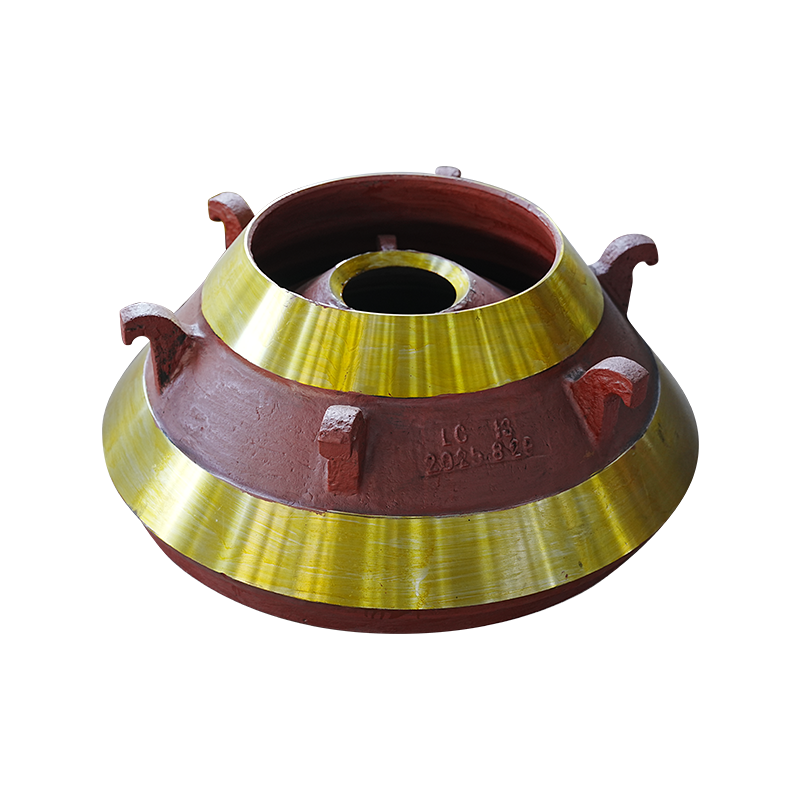
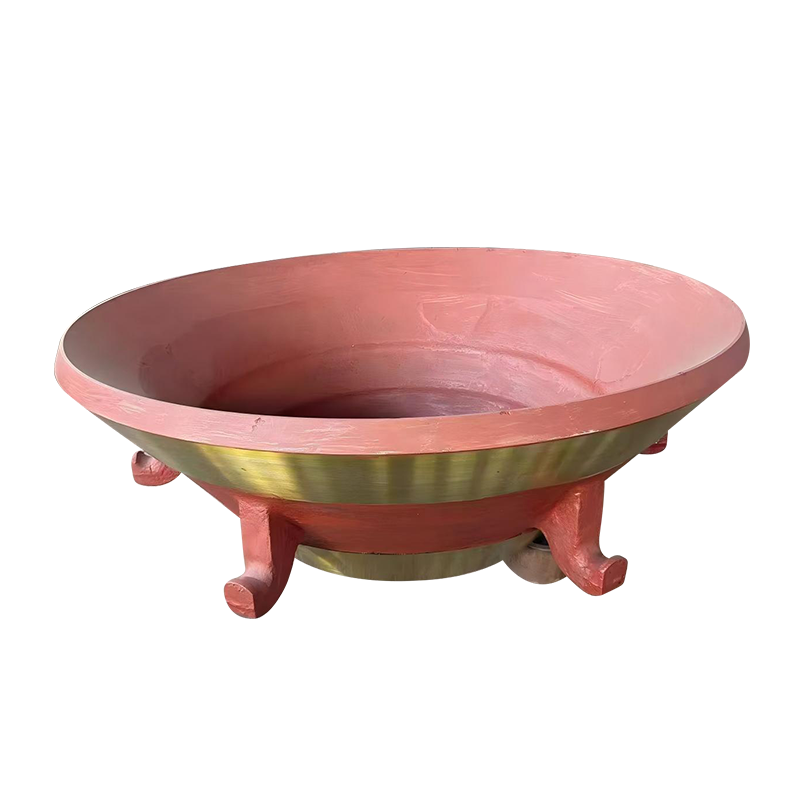
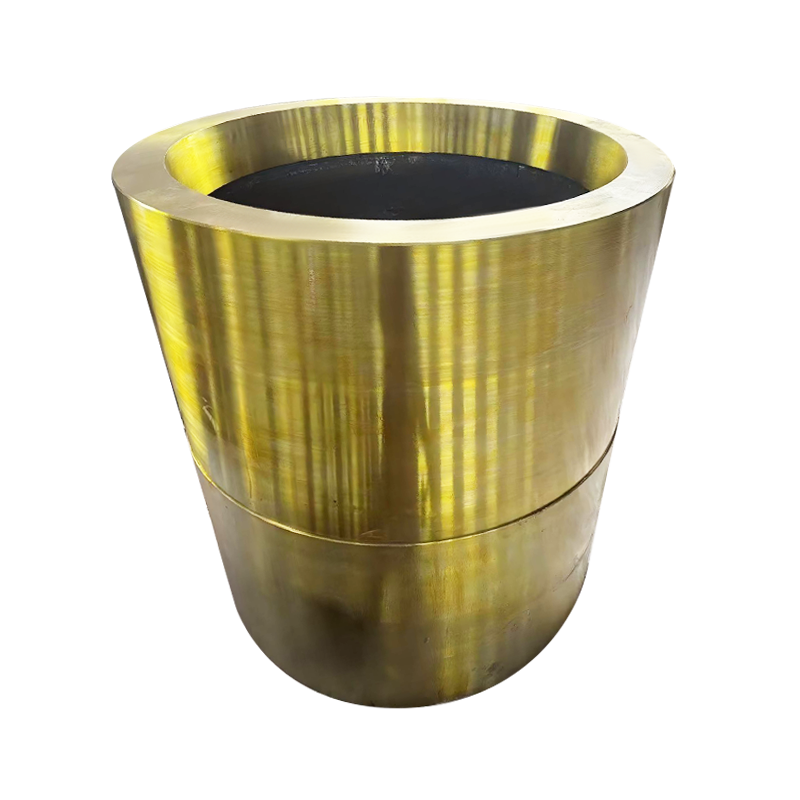
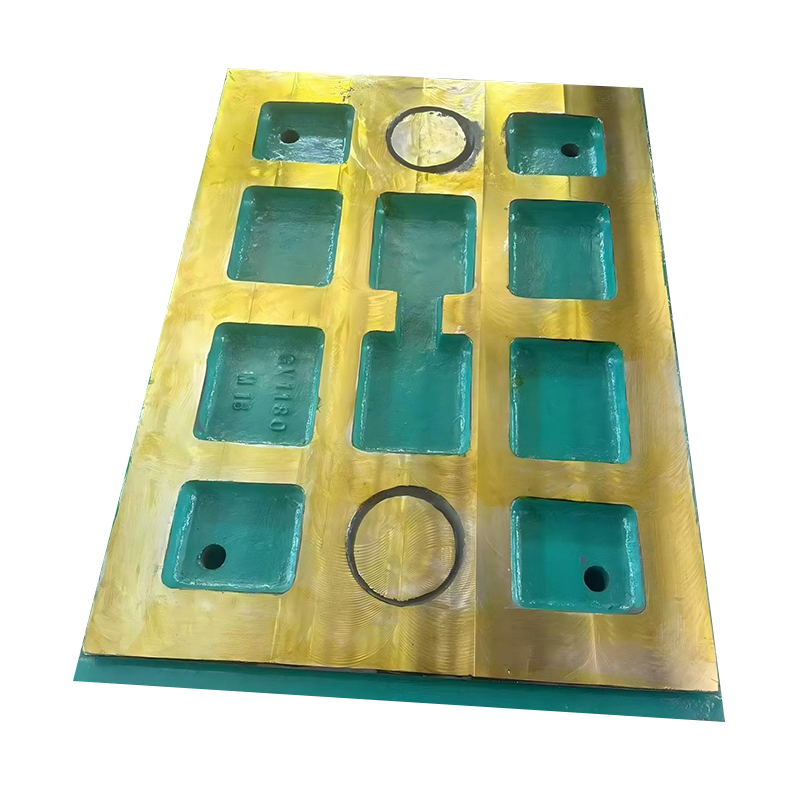
The crushing industry is facing new challenges as quarrying, mining, and recycling applications continue to change. Modern operations are processing harder materials, requiring higher output stability, and working under more demanding conditions. These changes are influencing the development of stone crusher machine parts, pushing manufacturers to focus on improved materials, optimized structures, and application-specific designs.
Traditional crusher components were mainly designed around basic wear resistance and mechanical strength. Today, users expect parts that can handle complex materials, reduce unexpected replacement frequency, and maintain consistent crushing performance. Wear solutions are increasingly developed based on equipment type, feed characteristics, and operating environment rather than using a universal design.
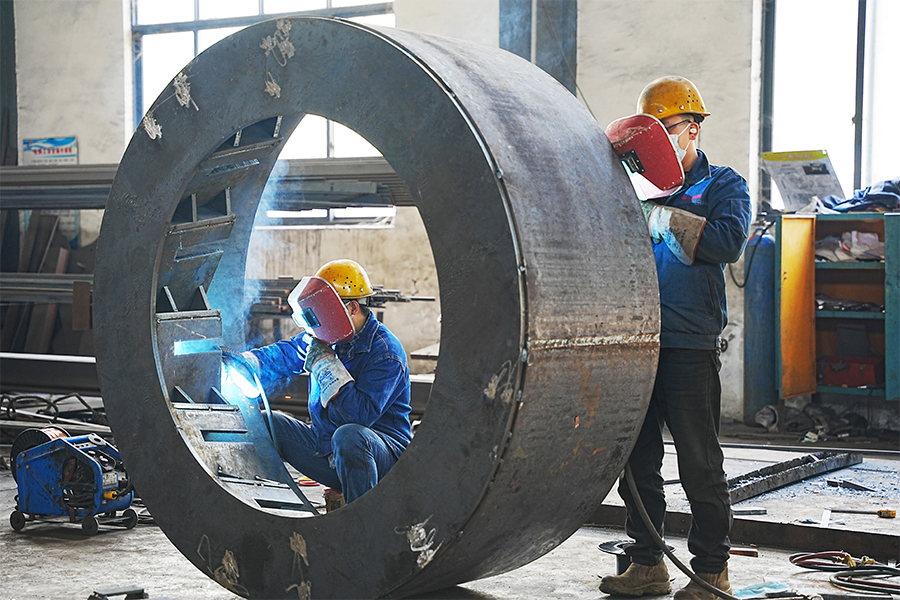
One major change in crusher operation is the increasing variety of materials being processed. Quarry operators are not only crushing traditional limestone but also handling granite, basalt, recycled concrete, and other abrasive materials.
Different materials create different wear patterns inside crushing equipment. A component that performs well in soft rock applications may experience faster damage under high-impact or highly abrasive conditions. This has encouraged the development of new alloy combinations and improved heat treatment processes.
Advanced material technology allows crusher components to maintain their working profile for a longer period. This helps reduce changes in crushing conditions caused by uneven wear.
A growing demand in the industry is the move from standard replacement parts toward application-based designs. Different crushing sites have different production goals, feed sizes, and material characteristics, meaning the same component design may not provide the same results everywhere.
Modern stone crusher machine parts are increasingly developed with specific equipment models and working conditions in mind. Engineers analyze wear areas, material flow, and impact zones to improve component geometry.
This design approach allows operators to achieve more stable output without relying only on increasing material hardness.
The expansion of construction waste recycling has introduced new challenges for crusher component design. Unlike natural stone, recycled materials often contain mixed elements such as concrete, steel fragments, and other unexpected materials.
These conditions require parts that can withstand sudden impact changes while maintaining reliable wear resistance. Crusher manufacturers are developing components with stronger impact absorption characteristics to handle unpredictable loads.
The recycling sector is becoming an important application area where traditional crusher part designs need further adjustment.
Technology development is also influencing how users manage crusher components. Instead of replacing parts only according to fixed schedules, more operators are paying attention to real-time wear conditions.
Sensor technology, digital tracking systems, and condition monitoring methods are gradually becoming part of modern crushing operations. These tools provide information about component condition and help operators plan replacements more accurately.
This shift changes crusher parts management from a reactive approach into a more data-based process.
Another trend affecting crusher spare parts design is easier installation. Large mining and quarry equipment often operates in remote areas where replacement time directly affects production schedules.
Manufacturers are developing modular components and improved fixing systems to simplify replacement work. Reduced installation difficulty can help shorten equipment downtime and improve workplace safety.
The cost of crusher operation is not only related to the purchase price of replacement parts. More users are evaluating total operating value, including service period, replacement frequency, and production impact.
As a result, manufacturers are paying more attention to material utilization. Improved casting technology, accurate machining, and optimized designs help reduce unnecessary material consumption while maintaining mechanical performance.
The future of crusher component design will continue moving toward stronger materials, smarter monitoring, and customized engineering solutions. Mining, quarrying, and recycling operations all have different requirements, creating demand for parts designed around specific working conditions.
For buyers searching for reliable stone crusher machine parts, understanding these design trends can help identify components that match actual application needs. The focus is gradually shifting from simple replacement toward improving the complete crushing process through better engineering.
As equipment requirements become more complex, crusher parts will continue evolving with advances in metallurgy, manufacturing methods, and digital technology. These improvements will help operators achieve more predictable performance across a wider range of crushing environments.
HOT PRODUCTS
interested?
Contact us!

No. 88 Wenbo Road, Jinxi Development Zone, Wucheng District, Jinhua City, Zhejiang Province, China

+86-18869925678
+86-13605822008

Mining Crushing & Sand-Making Manufacturer
 English
 中文简体
中文简体
 русский