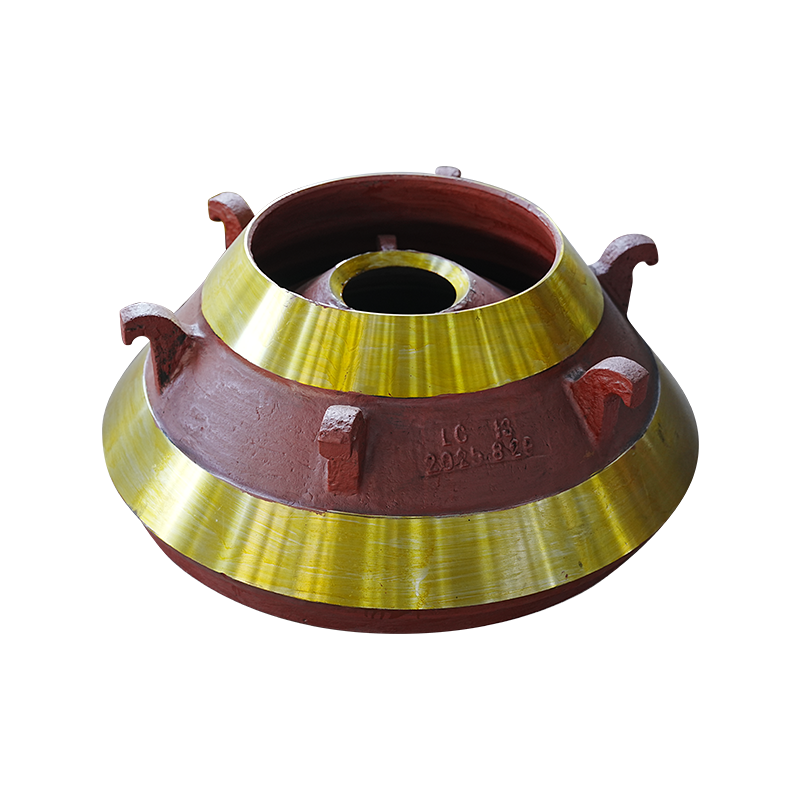
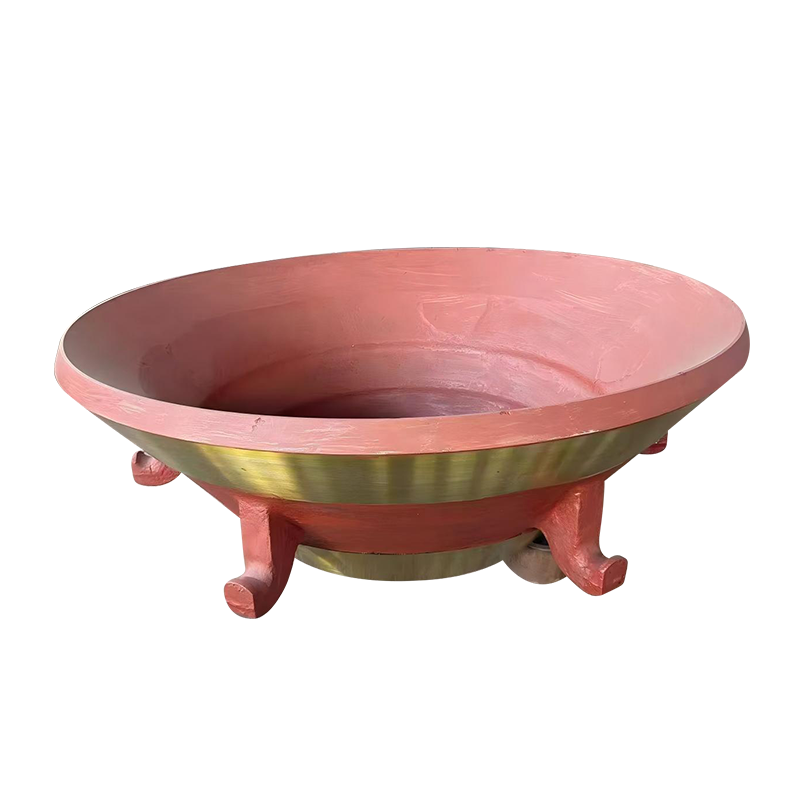
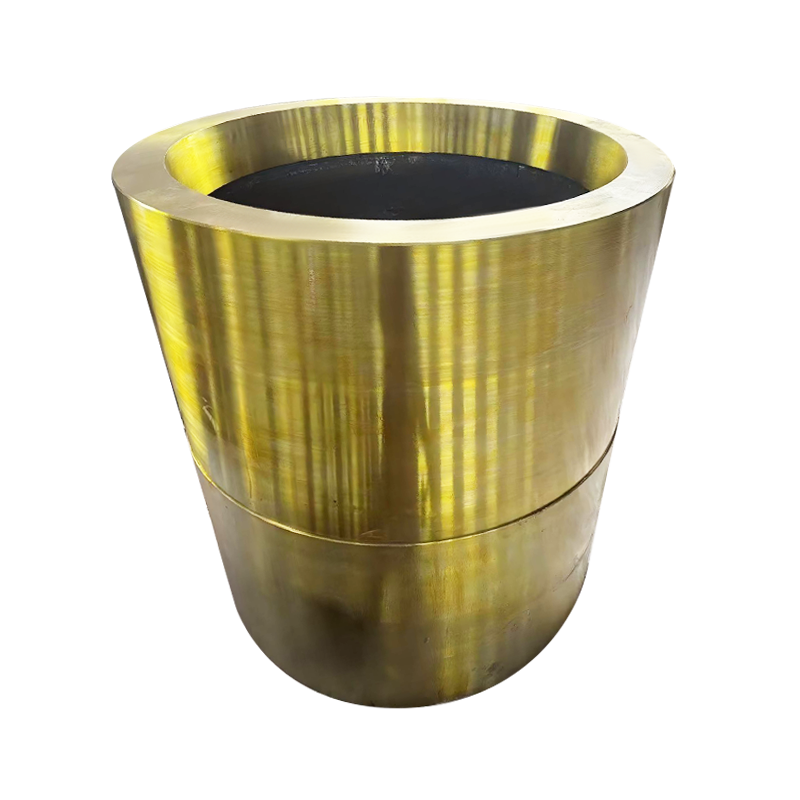
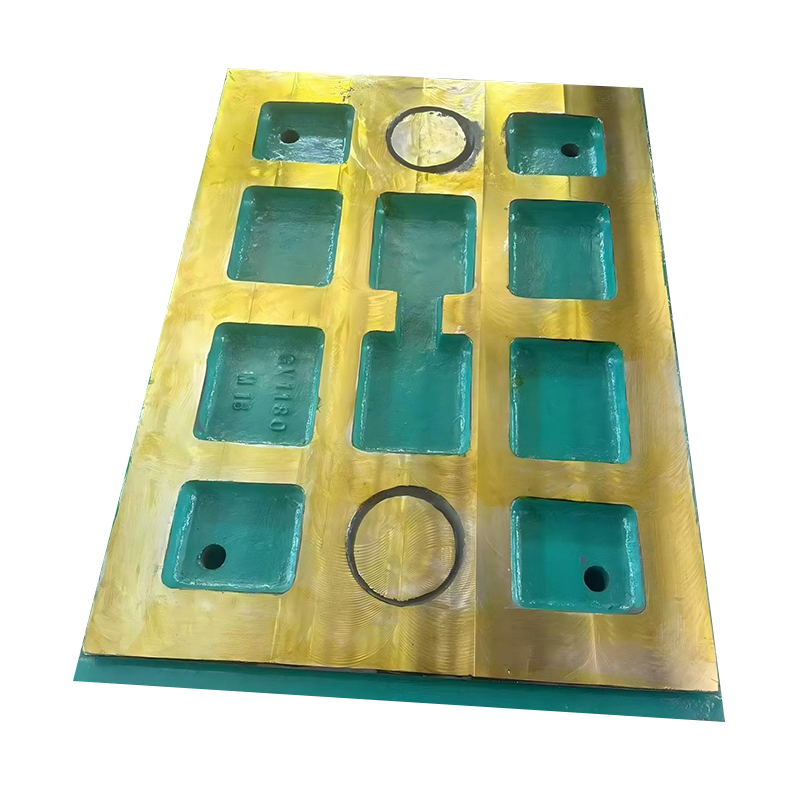
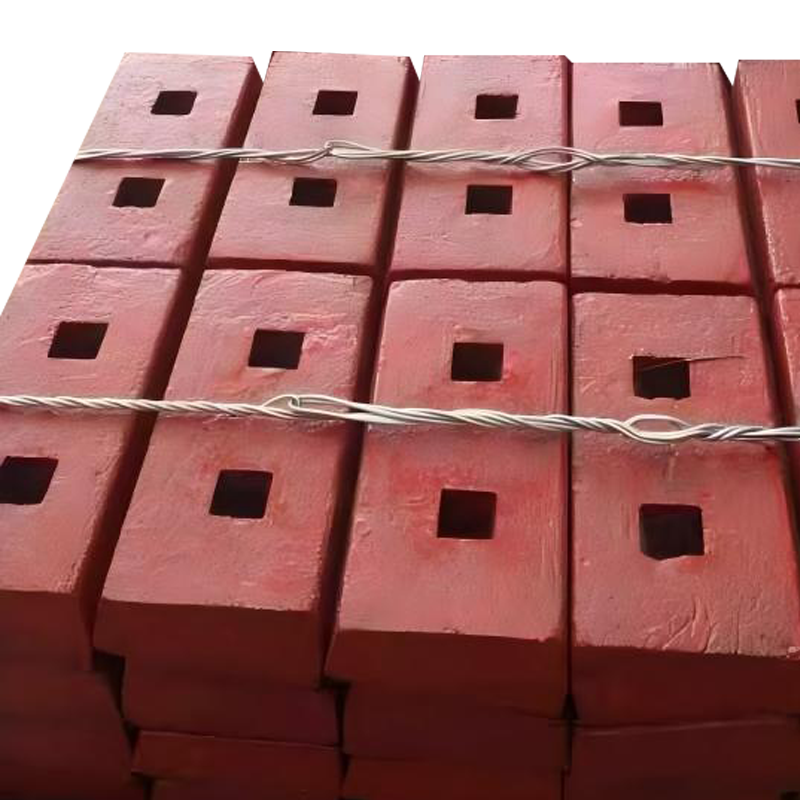
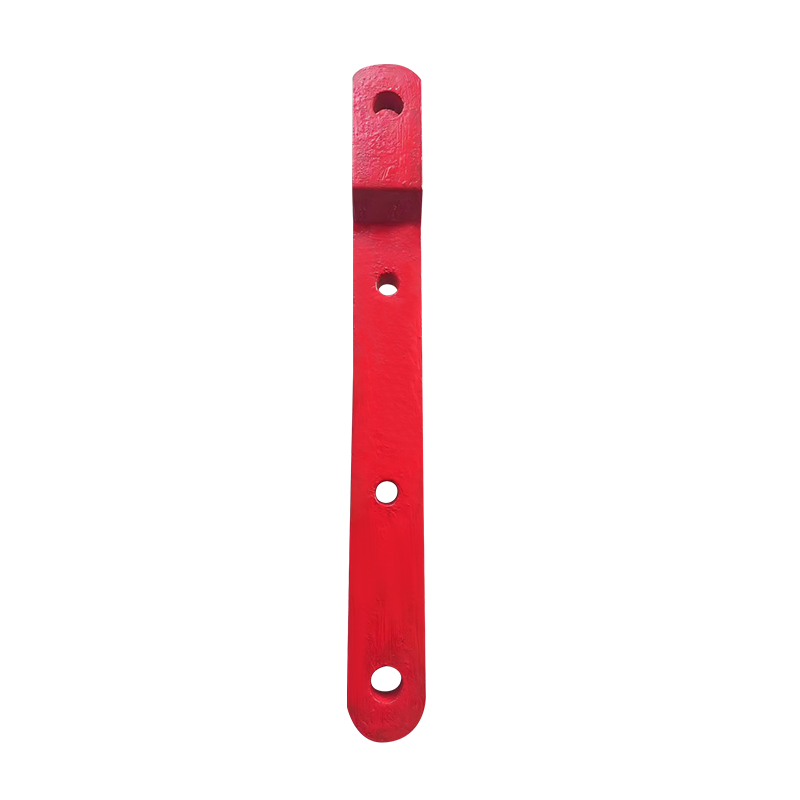
High Chromium Cast Iron Fittings are widely used in crusher systems, mining equipment, and heavy abrasive environments where components face continuous impact and sliding wear. These parts are designed with hard carbide structures to resist abrasion, yet field failures sometimes appear abrupt, especially under unstable working conditions. Industry research on high-chromium white cast irons shows that performance depends heavily on carbide distribution, alloy balance, and thermal treatment consistency.
Sudden fracture events rarely come from a single weakness. They usually develop through accumulated micro-damage that remains invisible until the stress threshold is exceeded.
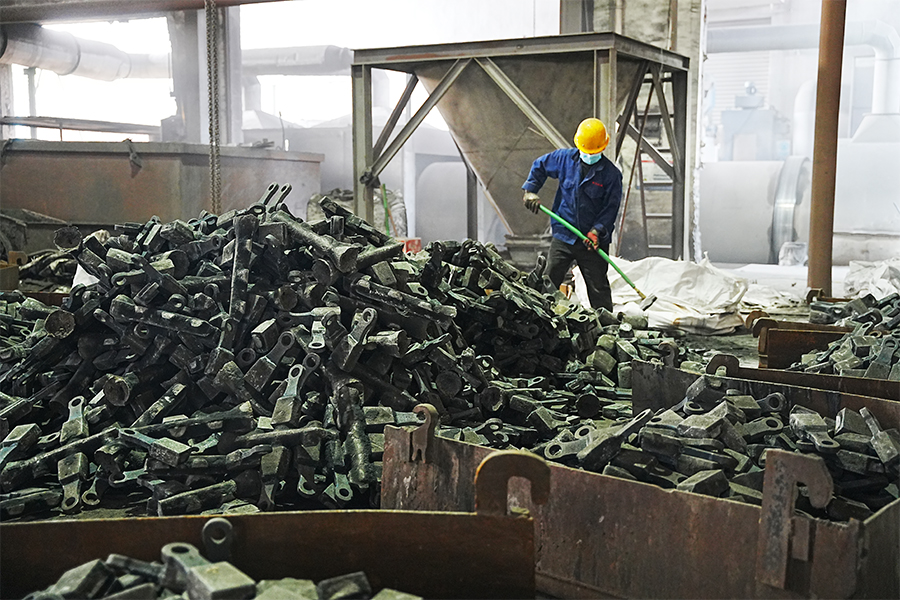
Microstructure Imbalance Inside the Alloy
The internal structure of high chromium cast iron contains hard M₇C₃ carbides embedded in a metallic matrix. This combination provides wear resistance but introduces brittleness sensitivity.
Key structural characteristics:
- Chromium content commonly ranges between 12% and 30%
- Carbide hardness can reach HV1800–2200
- Matrix phase may shift between martensite and retained austenite
- Cooling rate strongly influences carbide size and distribution
Uneven solidification during casting can produce carbide clustering. These clustered regions become stress concentration points under repeated impact, gradually weakening internal cohesion.
Impact Stress Under Real Operating Conditions
Crusher and mining applications expose fittings to irregular shock loading rather than steady force. Material enters the chamber in varying sizes, creating fluctuating energy transfer.
Typical stress conditions:
- Rotor-driven impact cycles exceeding 800–1200 rpm in many systems
- Abrasive ore particles generating localized micro-cutting
- Occasional tramp metal causing instantaneous overload
- Alternating compression and tension during each strike
Once stress exceeds local toughness capacity, cracks may form along carbide boundaries. These cracks often propagate faster in brittle zones, especially where matrix support is insufficient.
Heat Treatment Sensitivity and Internal Stress
Thermal processing determines whether High Chromium Cast Iron Fittings behave in a stable or fragile manner during service life.
Common heat-related factors affecting stability:
- Improper austenitizing temperature leads to incomplete transformation
- Excess retained austenite reduces structural rigidity
- Rapid cooling may trap internal stress gradients
- Uneven furnace distribution creates hardness variation across sections
Manufacturing studies indicate that small deviations in temperature control can significantly alter wear resistance and fracture behavior. This is why parts from the same specification sometimes perform differently in field applications.
Crack Initiation at Hidden Defect Zones
Even visually intact components may contain microscopic defects formed during casting or machining.
Frequent initiation sites include:
- Gas porosity pockets trapped inside the casting body
- Carbide-matrix boundary interfaces with weak bonding
- Sharp geometry transitions near mounting holes
- Surface micro-scratches from handling or installation
Once a micro-crack starts, repeated impact loading extends it deeper into the structure. Growth speed depends on stress intensity and local hardness variation.
Role of Operational Instability in Failure Events
Mechanical environment plays a decisive role in whether wear remains gradual or shifts into fracture.
Situations that accelerate crack growth:
- Uneven feed distribution inside crushing chamber
- Sudden changes in material hardness or moisture content
- Vibration amplification from rotor imbalance
- Foreign metal entering the system unexpectedly
These conditions do not immediately destroy components but amplify internal fatigue. Over time, stress accumulation reaches a tipping point where fracture occurs without extended warning.
Field Behavior Compared to Design Expectations
Laboratory testing often evaluates wear resistance under controlled conditions, while real environments introduce unpredictable variables. This difference explains why components that meet specifications may still experience unexpected breakage.
Observed differences include:
- Laboratory wear: gradual surface loss
- Field wear: combination of abrasion and shock fracture
- Controlled load: stable energy input
- Operational load: fluctuating and discontinuous impact
This mismatch between testing and application conditions is one reason High Chromium Cast Iron Fittings sometimes appear unreliable in extreme duty cycles.
Structural Warning Signs Before Failure
Although failure may appear sudden, several indicators often develop beforehand:
- Irregular vibration patterns in crusher housing
- Audible change in impact sound frequency
- Edge chipping on exposed wear surfaces
- Reduced crushing efficiency under unchanged load
These signs reflect internal fatigue progression rather than immediate surface wear.
High chromium cast iron components do not typically fail without cause. Their behavior is shaped by a combination of microstructural sensitivity, thermal history, and real-world impact conditions. Once internal stress accumulation reaches a critical level, fracture can appear abrupt even though the degradation process has been ongoing beneath the surface.





 English
 中文简体
中文简体
 русский