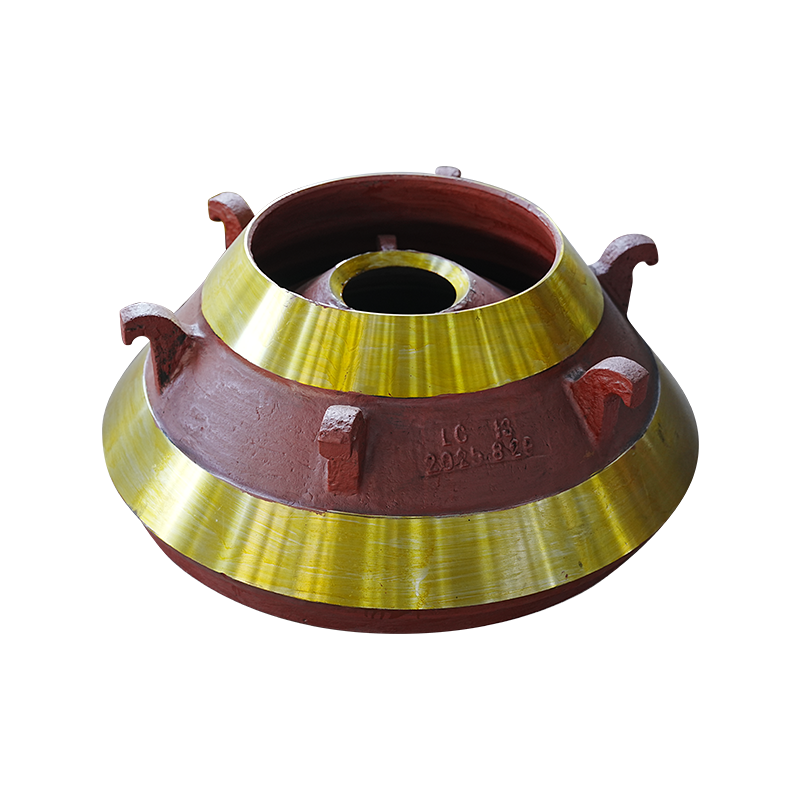
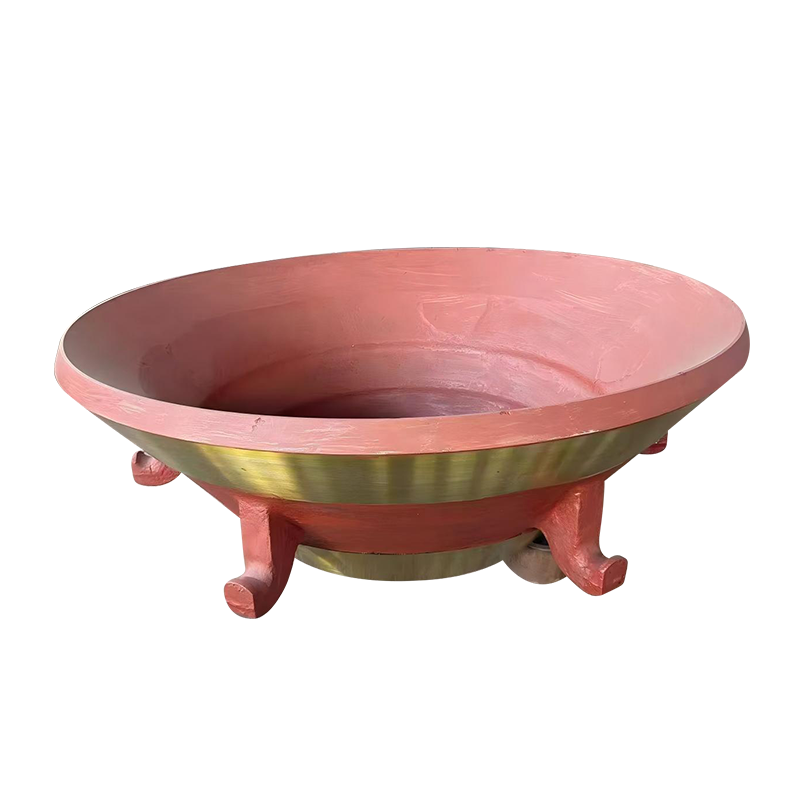
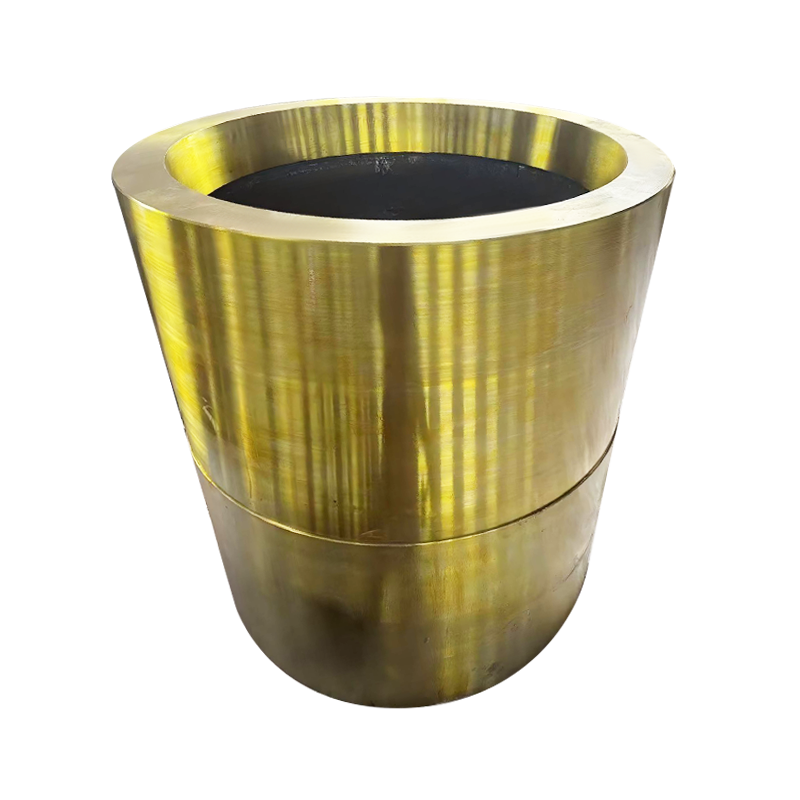
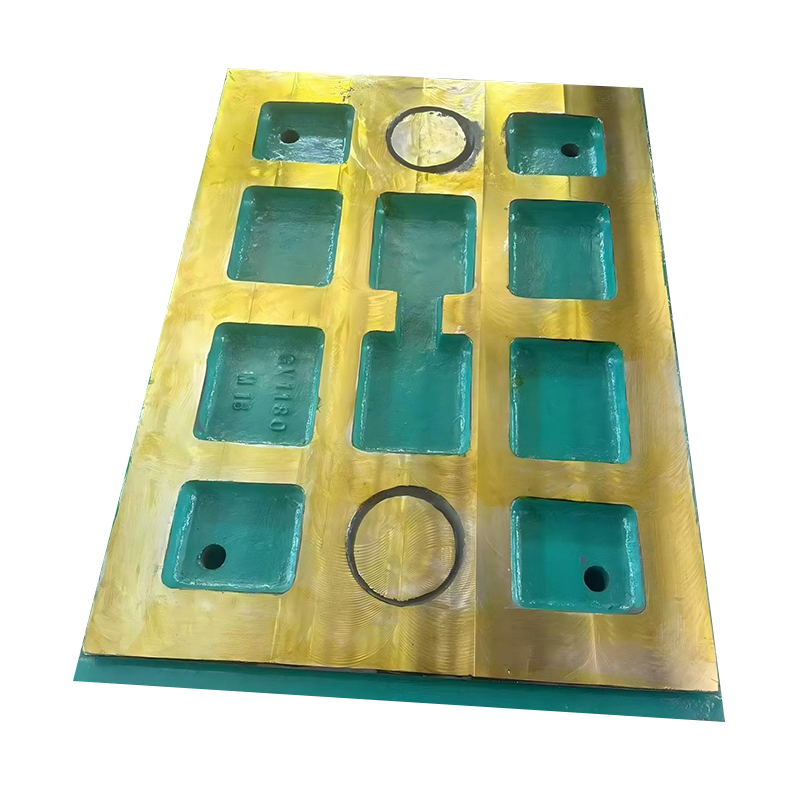
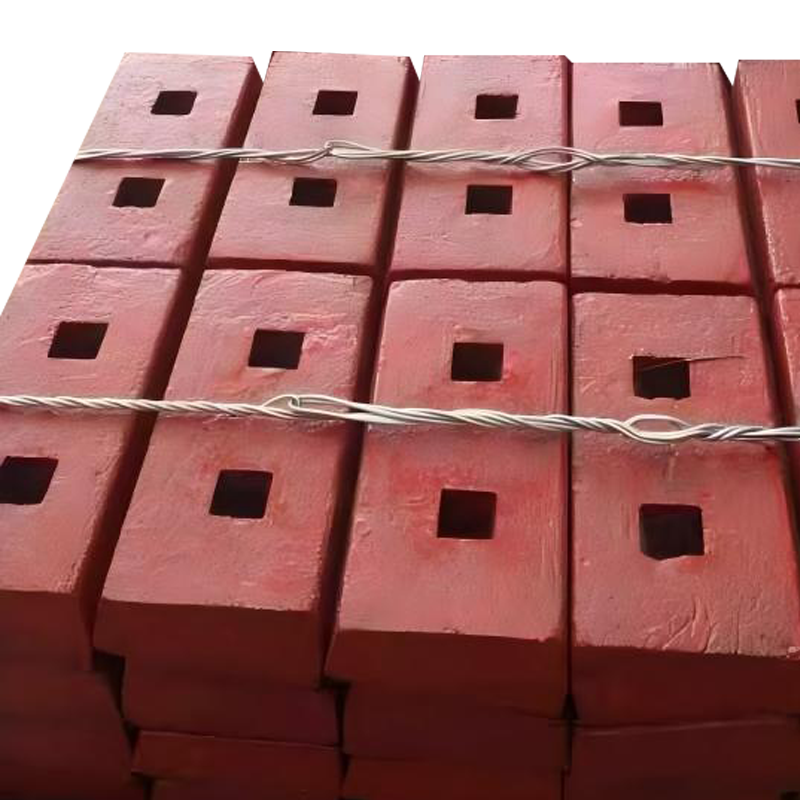
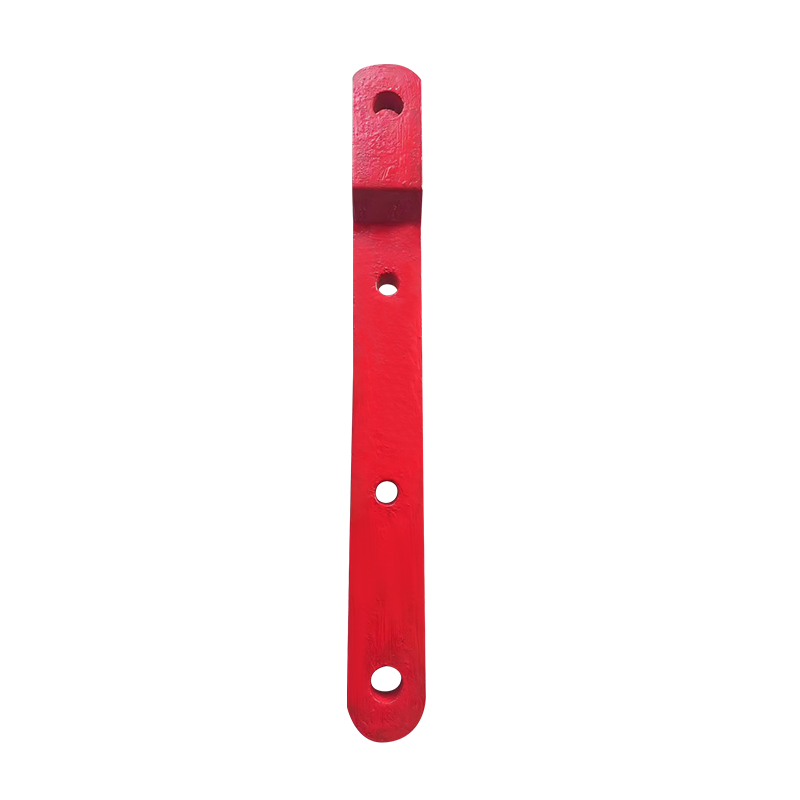
High chromium cast iron (HCCI) refers to a family of white cast irons containing between 11 percent and 30 percent chromium by weight. Unlike grey cast iron, where carbon forms as graphite flakes, HCCI contains carbon primarily as chromium carbides (M₇C₃ type). These carbides have a hardness of 1,200 to 1,600 HV, which is significantly harder than the martensitic matrix (600-750 HV) that surrounds them. The combination of hard carbides and a tough martensitic matrix gives HCCI its wear resistance.
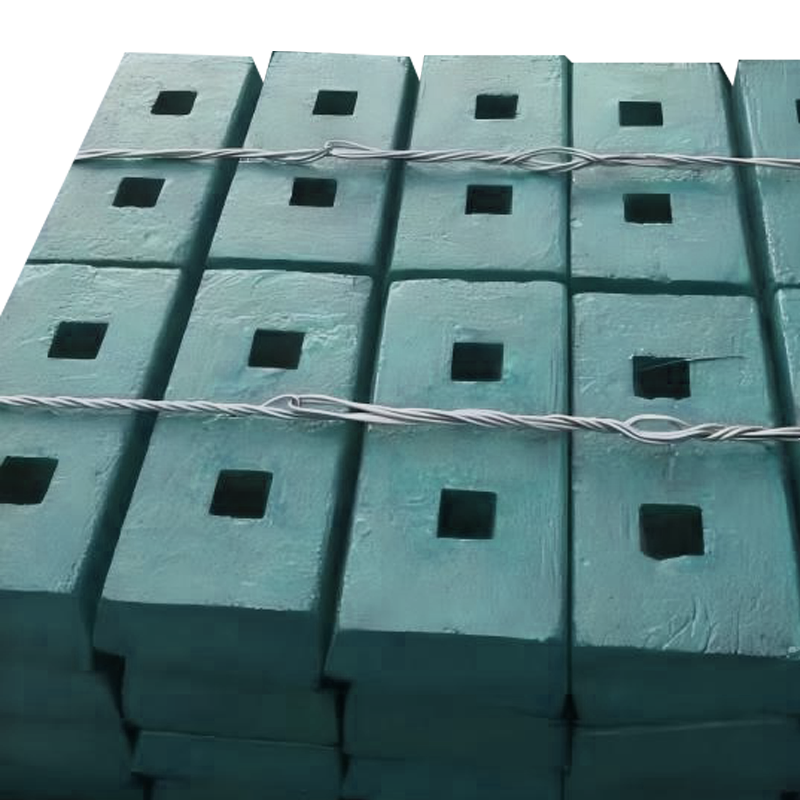
Typical carbon content ranges from 2.0 percent to 3.6 percent, with higher carbon producing more carbides and thus higher wear resistance but lower impact toughness. Fittings made from HCCI include pipe elbows, tees, reducers, coupling sleeves, and slurry pump housings. They are used in applications where abrasive materials — such as sand, gravel, ores, cement, and coal slurry — flow through pipes and cause rapid wear on ordinary steel or ductile iron components. The chromium content also provides corrosion resistance: HCCI with 15 percent or more chromium forms a passive chromium oxide layer that resists oxidation up to 800°C and withstands mildly acidic conditions (pH 4-10).
- Annealing (softening treatment): Newly cast fittings are often hard and brittle due to as-cast microstructure containing austenite and carbides. Annealing involves heating the fitting to 900-980°C, holding for 2-4 hours per 25 mm of section thickness, then slow cooling in the furnace at 10-30°C per hour to below 650°C. This converts austenite to ferrite and spheroidizes some carbides, reducing hardness from 50-55 HRC (as-cast) to 30-40 HRC. Annealed fittings can be machined (drilled, tapped, or welded) before final hardening.
- Hardening (quenching and tempering): To achieve full wear resistance, fittings are reheated to 950-1,050°C, held for 1-2 hours, then quenched in air, oil, or forced gas. Air quenching is most common for sections under 50 mm in thickness. The resulting microstructure is martensite plus primary carbides, with hardness of 55-62 HRC. Tempering follows at 200-300°C for 2-4 hours to relieve internal stresses without reducing hardness significantly. Over-tempering above 400°C lowers hardness to 45-50 HRC but increases impact toughness by 30-50 percent.
- Sub-critical heat treatment (hardening without full austenitizing): For fittings that cannot be heated to 950°C due to dimensional constraints or attached components, a lower-temperature treatment at 400-600°C for 8-24 hours causes precipitation of secondary carbides within the martensitic matrix. This raises hardness from as-cast 45-50 HRC to 52-56 HRC. The process is slower but produces less distortion (warpage of less than 0.5 mm per 300 mm length, compared to 1-2 mm for full quenching).
- Stress relief after welding: If fittings are welded to steel pipelines, residual stresses cause hydrogen cracking in the heat-affected zone. A stress relief treatment at 550-650°C for 1-2 hours reduces residual stresses by 50-70 percent. The fitting must be heated and cooled slowly (50-100°C per hour maximum) to avoid thermal shock cracking.
How does high chromium cast iron compare to other wear-resistant materials for fittings?
- Compared to hardened steel (500-600 Brinell): HCCI (550-650 Brinell) offers 2-3 times longer service life in abrasive slurry applications (e.g., coal-water mixtures or sand slurries). In the ASTM G65 dry sand rubber wheel abrasion test, HCCI loses 0.05-0.15 cm³ of material per 6,000 wheel revolutions, whereas hardened steel loses 0.30-0.50 cm³. However, HCCI has lower impact toughness: 5-15 J (Charpy unnotched) versus 30-50 J for hardened steel. For applications with large rocks (over 50 mm diameter) striking the fitting at high velocity, steel is preferred; for fine abrasives (under 5 mm), HCCI is superior.
- Compared to ceramic-lined steel fittings (alumina or silicon carbide): Ceramic linings have higher hardness (1,500-2,000 HV) and last 3-5 times longer than HCCI in pure abrasion service. However, ceramics are brittle: a single impact from a 10 mm rock at 5 m/s can spall (chip) the ceramic lining, creating a sharp edge that accelerates wear. HCCI is less brittle and can tolerate moderate impacts without spalling. Ceramic-lined fittings also cost 2-4 times more than HCCI. For applications with consistent flow without impacts (e.g., fine powder pneumatic conveying), ceramics are preferred; for mixed abrasive and impact (e.g., mining slurry with rocks), HCCI is more reliable.
- Compared to chrome carbide overlay (CCO) steel: CCO is a steel pipe with a hardfacing weld overlay (3-6 mm thick) containing 25-40 percent chromium carbide. The hardness of the overlay is 55-62 HRC, similar to HCCI. However, CCO has a softer steel backing (150-200 HB), so it can bend and absorb impacts without cracking. HCCI fittings are fully hard (through thickness), so they cannot be bent or welded easily. For straight pipe sections, CCO is often more economical; for complex fittings (elbows, tees) where overlay welding is difficult, HCCI cast fittings are preferred. The wear life of a CCO elbow is typically 70-90 percent of an HCCI elbow in the same service because the weld overlay pattern creates local thin spots.





 English
 中文简体
中文简体
 русский