Why Do High Manganese Steel Fittings Show Work Hardening?
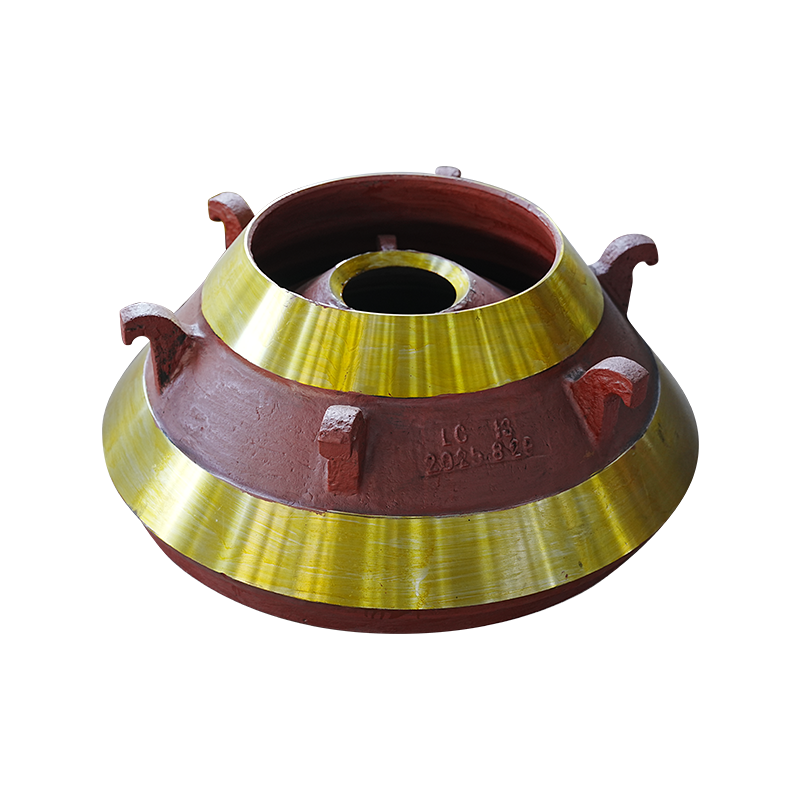
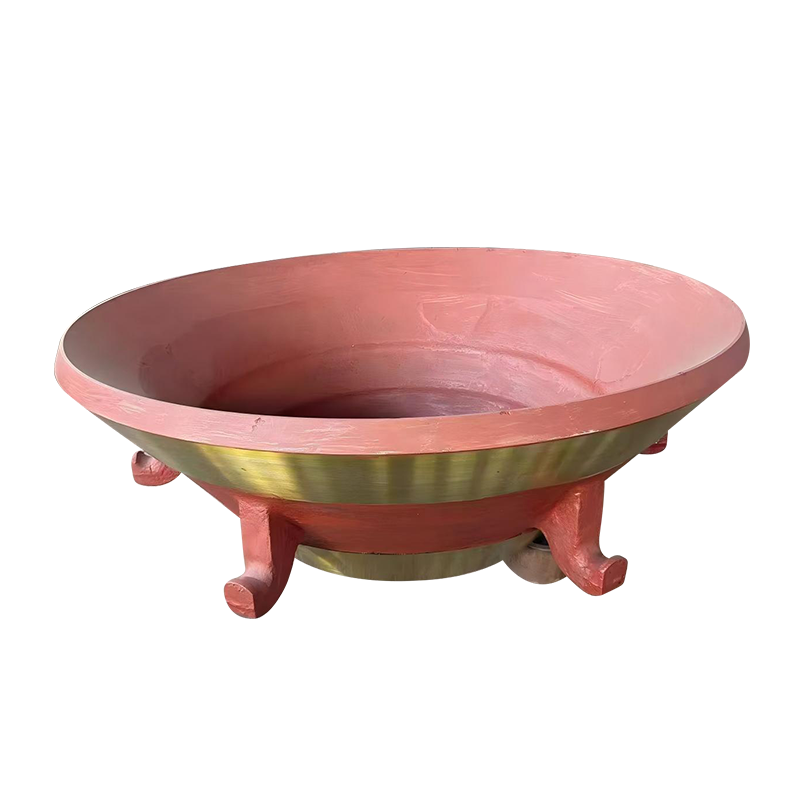
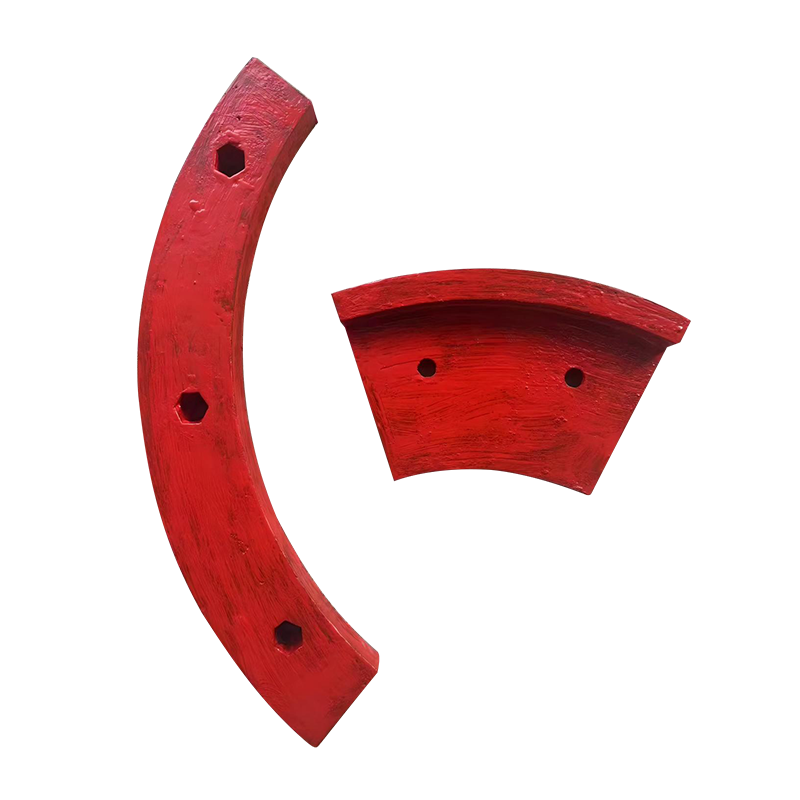
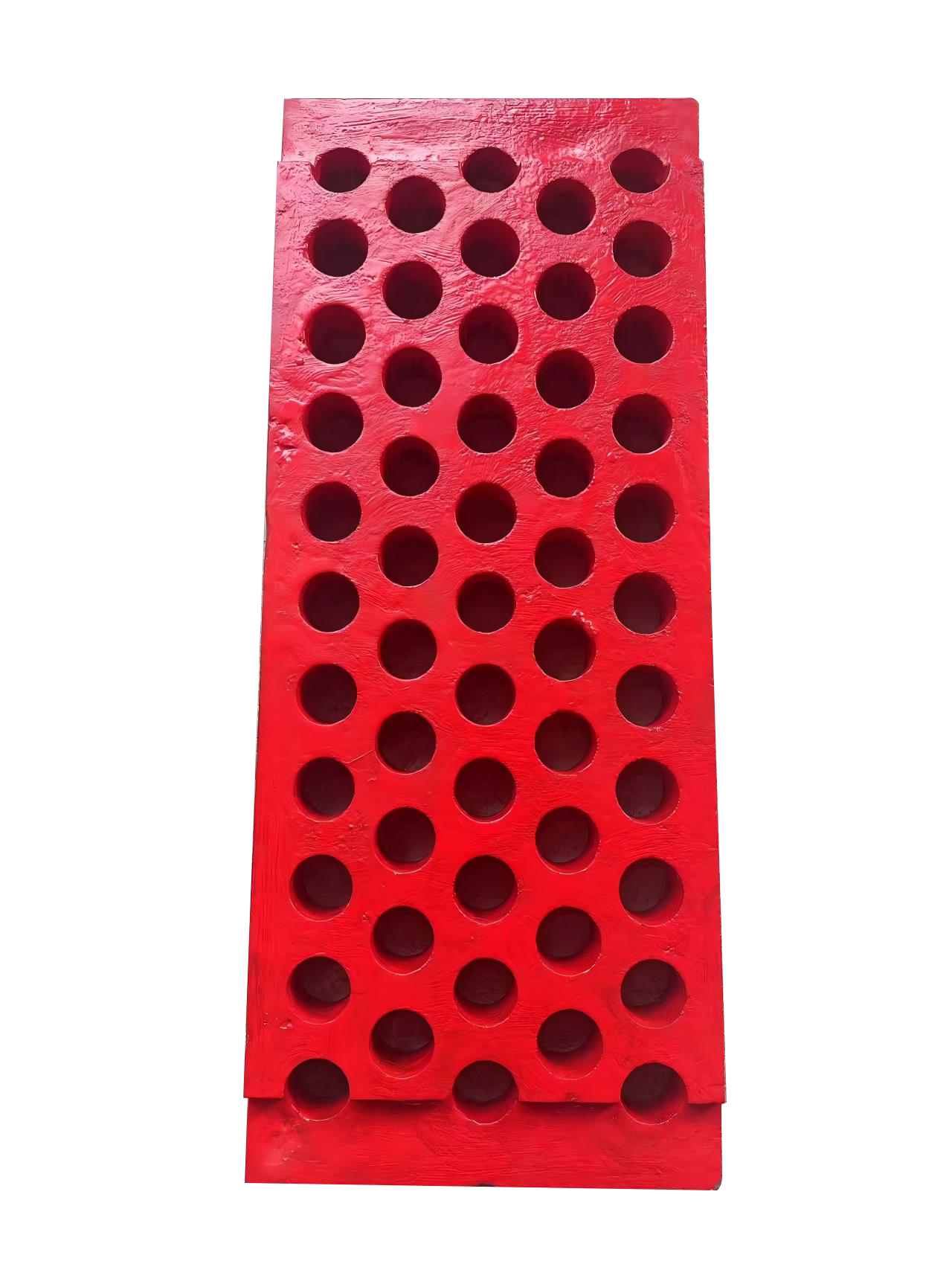
In mining, crushing, and heavy machinery industries, materials must withstand repeated impact and abrasion. High Manganese Steel Fittings are widely used in such environments because of their unique ability to undergo work hardening during operation. This property allows the material to become stronger as it experiences mechanical stress.
- Special Alloy Composition
High manganese steel typically contains a high percentage of manganese, which stabilizes the austenitic structure of the metal. This structure gives the material good toughness and the ability to deform slightly without breaking under heavy loads.
When the surface of the fitting experiences repeated impact or pressure, the outer layer of the metal gradually becomes harder. The internal crystal structure changes under stress, increasing hardness while the inner core remains relatively tough.
- Improved Surface Wear Resistance
As work hardening occurs, the surface layer becomes more resistant to abrasion. This means the component can handle continuous friction from rocks, sand, or ore without losing material quickly.
- Self-Strengthening During Operation
Unlike many other alloys that gradually weaken with use, high manganese steel becomes stronger at the surface when exposed to repeated impact. This self-strengthening property is why these fittings are common in crushers and mining equipment.
- Importance of Proper Working Conditions
Work hardening occurs effectively under sufficient impact stress. If the load is too low, the surface may not harden properly, reducing the expected wear resistance.
High-Manganese Hammerheads Gradually Become Harder During Use?
In crushing equipment, hammerheads are constantly exposed to high-speed impact and abrasive materials. High-Manganese Hammerheads are designed to take advantage of the work-hardening effect that naturally occurs during operation.
1. Initial Toughness for Impact Resistance
At the beginning of operation, high-manganese hammerheads have relatively moderate hardness but good toughness. This prevents cracking or breaking when large rocks enter the crusher.
2. Surface Hardening During Crushing
As the hammerheads repeatedly strike hard materials, the surface layer undergoes plastic deformation. This deformation changes the metal structure and increases the hardness of the working surface.
3. Formation of a Hard Protective Layer
The hardened outer layer acts as a protective barrier against abrasive wear. Meanwhile, the internal core remains tough and flexible, allowing the hammerhead to absorb heavy impact without fracturing.
4. Extended Service Life
Because the surface becomes harder over time, the hammerheads maintain their working efficiency longer than many conventional materials. This reduces the frequency of replacement and improves crusher productivity.
5. Suitable Conditions for Hardening
Work hardening is effective when the hammerheads process materials with sufficient impact force. Crushing extremely soft materials may not generate enough stress to trigger strong surface hardening.
How Can Strong Manganese Steel Fittings Balance Wear Resistance and Impact Resistance?
Industrial components often face the challenge of maintaining both wear resistance and impact resistance. Strong Manganese Steel Fittings are designed to achieve this balance, making them suitable for harsh mining and crushing environments.
- Combination of Tough Core and Hard Surface
The material structure allows the surface to become harder through work hardening while the core remains tough. This dual property helps the component resist both abrasion and sudden impact.
- Optimized Alloy Composition
Adjusting the manganese content and adding small amounts of other alloying elements can improve the overall mechanical performance. This ensures that the material does not become excessively brittle while maintaining strong wear resistance.
- Controlled Heat Treatment
Proper heat treatment processes help create a uniform austenitic structure before the component enters service. This structure is essential for achieving both toughness and work-hardening capability.
- Design Adapted to Working Conditions
Engineers design fittings with appropriate thickness and structural support so that they can handle high loads while maintaining durability.
- Improved Performance in Mining Equipment
By combining high toughness with the ability to develop a hardened surface, manganese steel fittings can perform reliably in crushers, impact equipment, and other heavy-duty industrial applications.

 English