Can the Output Size of an Industrial Rock Crusher Be Controlled?
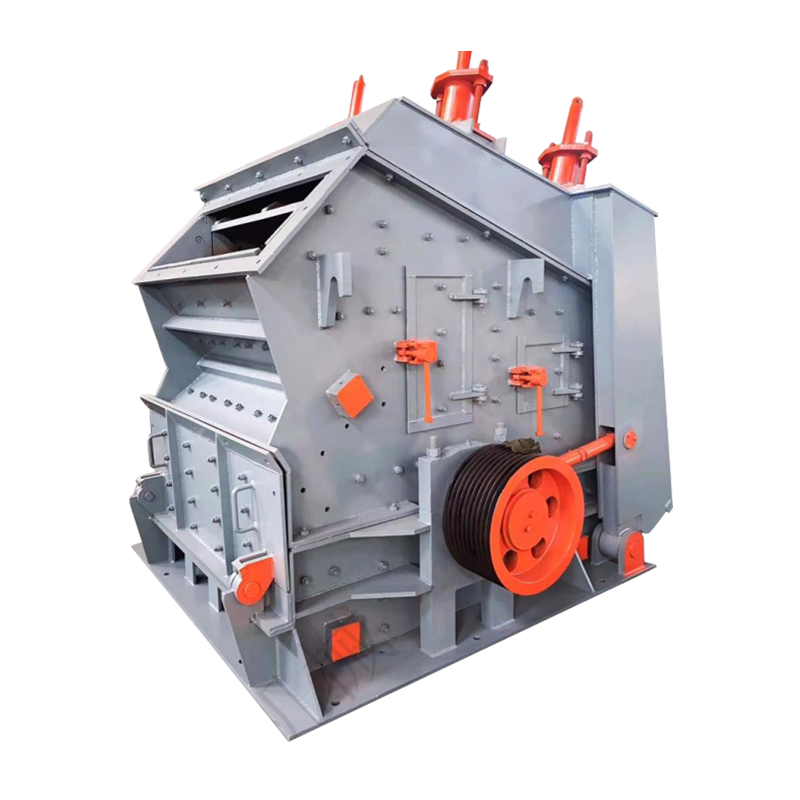
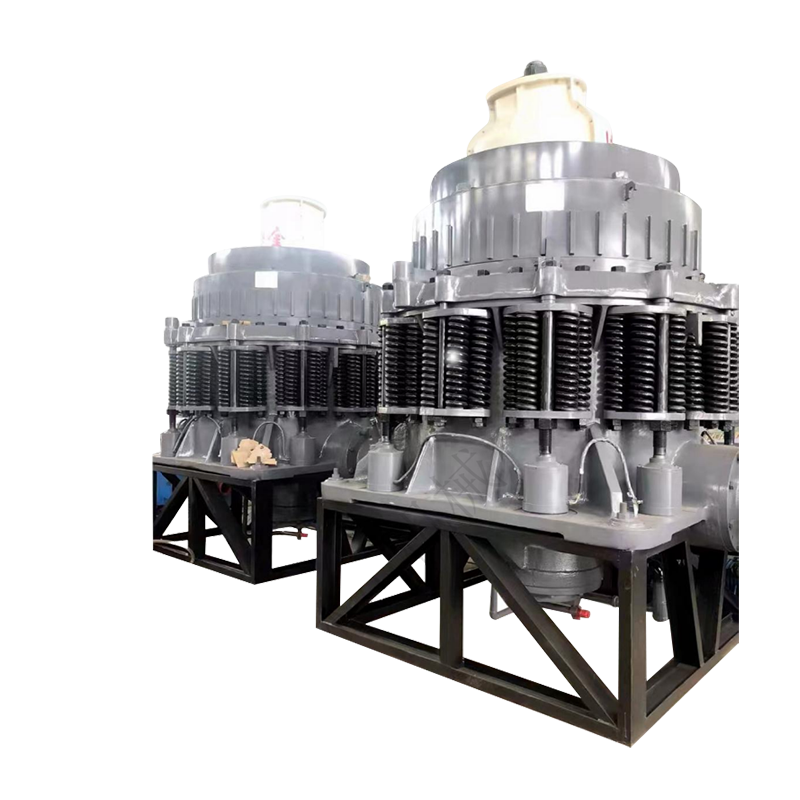
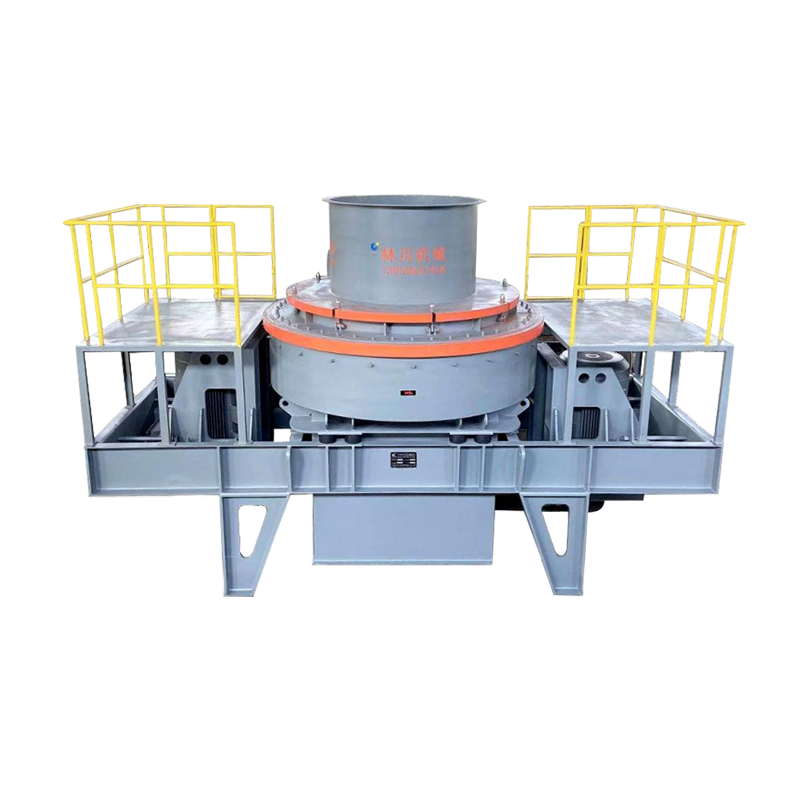
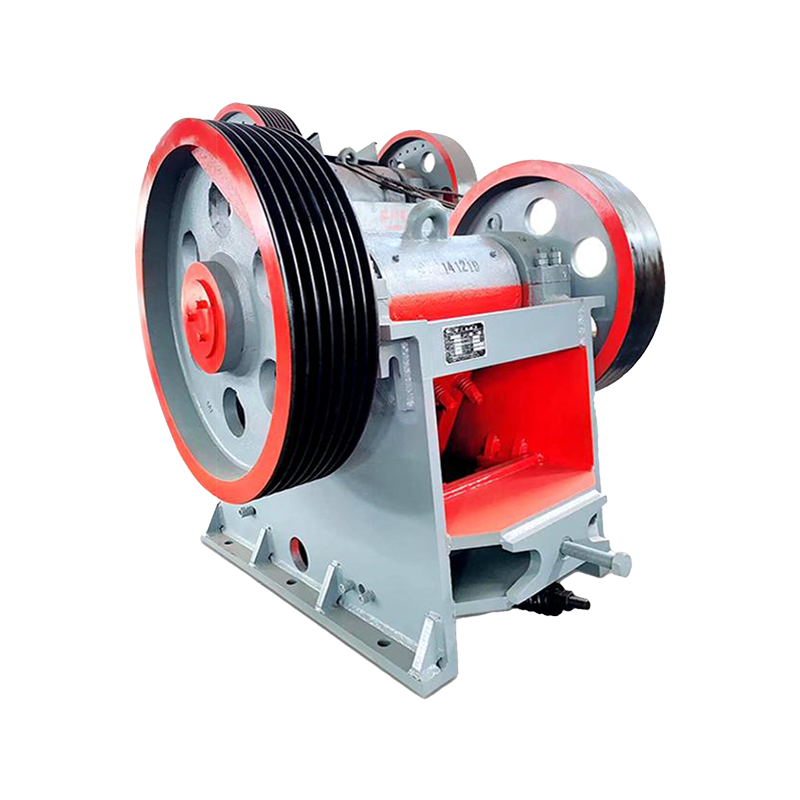
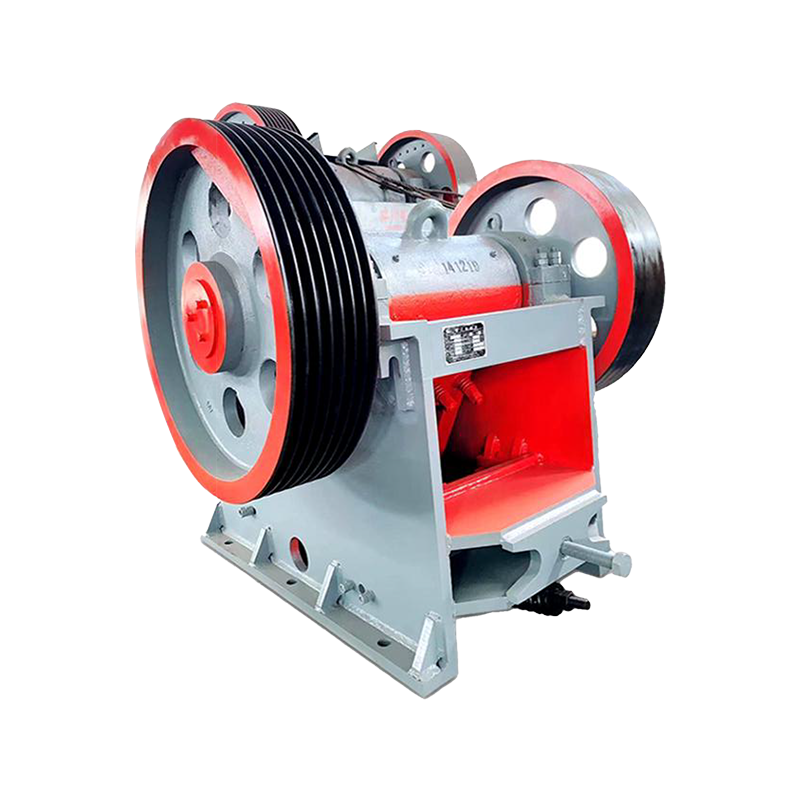
Controlling the discharge size is a key factor in rock crushing operations. The particle size of crushed materials directly affects downstream processing and the quality of final aggregates. An Industrial Rock Crusher is designed with several adjustable features that help operators manage and stabilize the output size during production.
1. Adjusting the Discharge Opening
The size of the discharge opening is one of the main factors that determines the final particle size. A smaller opening produces finer material, while a larger opening allows coarser particles to pass through.
2. Regulating the Feed Size
Consistent feed size helps maintain uniform output. Oversized materials entering the crusher can cause irregular particle sizes and reduce crushing efficiency. Pre-screening or using a primary crusher can help maintain stable feed conditions.
3. Controlling the Crushing Speed
The rotation speed of the crushing components influences how materials break apart. Higher speeds may generate finer particles, while slower speeds can produce coarser output.
4. Using Multi-Stage Crushing Systems
Many industrial crushing lines use a combination of primary, secondary, and tertiary crushers. Each stage gradually reduces the material size, allowing better control over the final product.
5. Maintaining Proper Equipment Settings
Regularly checking machine settings and wear conditions ensures that the crusher continues to produce materials within the desired size range.
Proper control of these factors allows operators to achieve consistent product quality and improve overall production efficiency.
What Advantages Does an Electric Rock Crusher Have Compared With a Diesel Crusher?
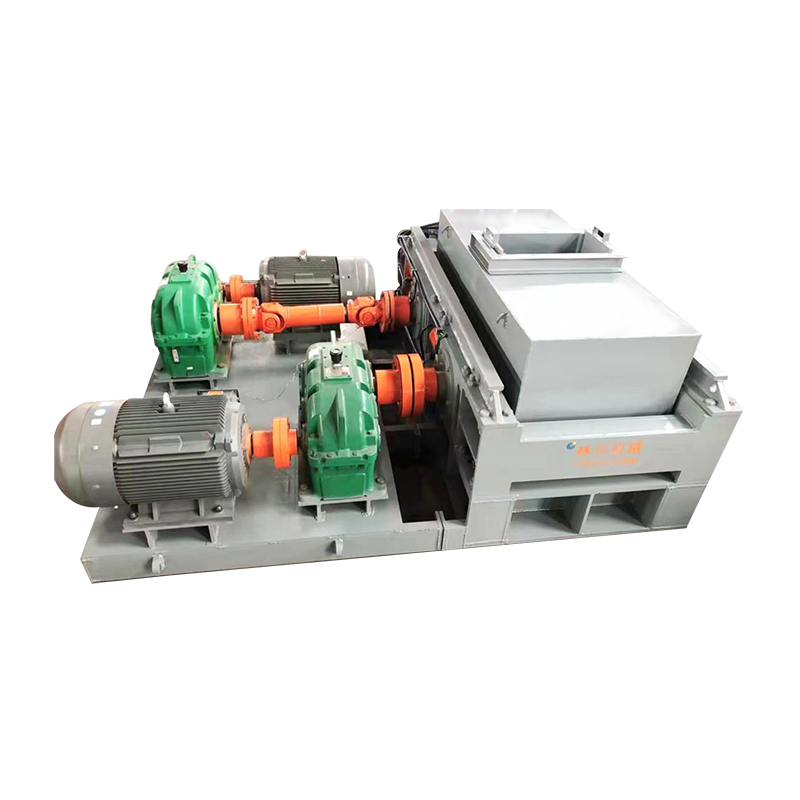
Modern crushing operations are increasingly adopting electric-powered equipment. An Electric Rock Crusher offers several advantages compared with diesel-powered machines, especially in fixed crushing plants and industrial facilities.
Electric motors typically convert energy more efficiently than diesel engines. This allows crushers to operate with lower energy loss and more stable power output.
- Reduced Environmental Impact
Electric-powered crushers do not produce direct exhaust emissions during operation. This helps reduce air pollution and supports compliance with environmental regulations.
Electric motors usually operate more quietly than diesel engines. This improves the working environment for operators and reduces noise pollution around the production site.
- Simplified Maintenance Requirements
Diesel engines require regular maintenance, such as fuel system servicing and oil changes. Electric motors generally have fewer mechanical components, making maintenance simpler and less frequent.
Because of these advantages, electric crushers are widely used in stationary crushing plants where reliable electrical power is available.
Hammers in a Hammer Mill Rock Crusher Wear Out Quickly?
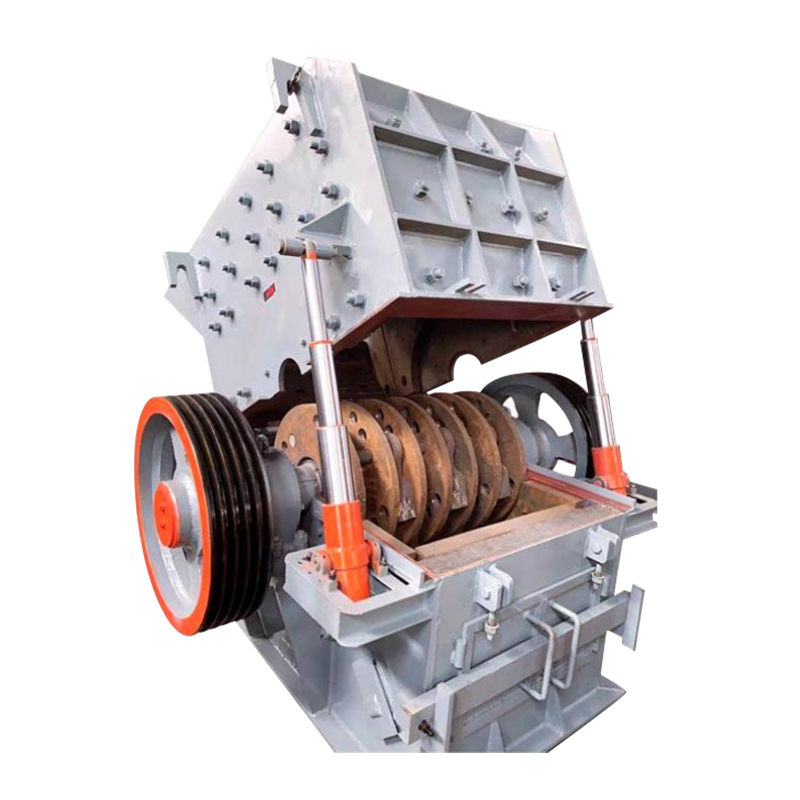
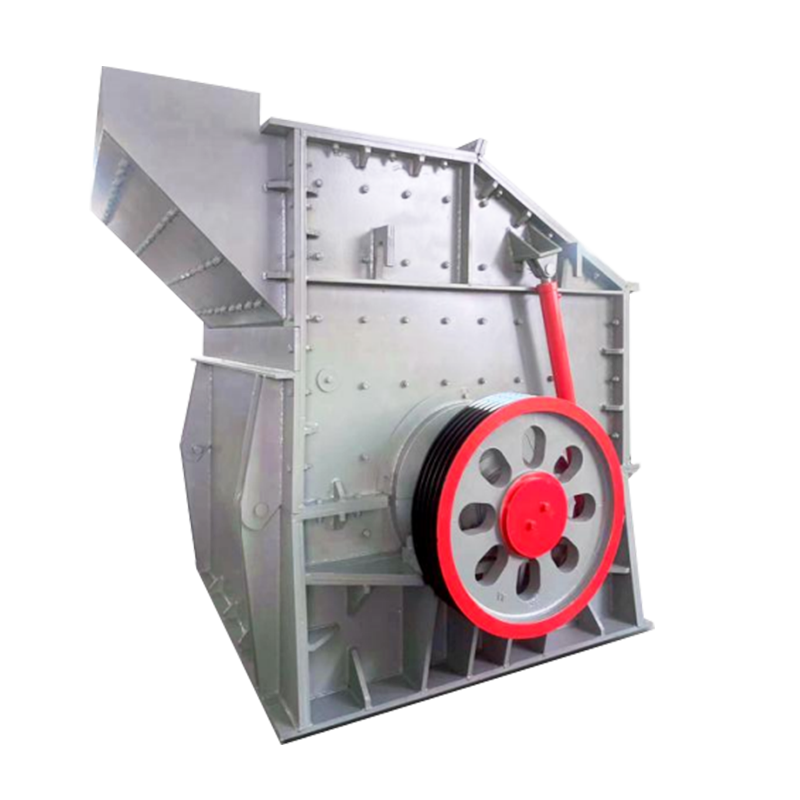
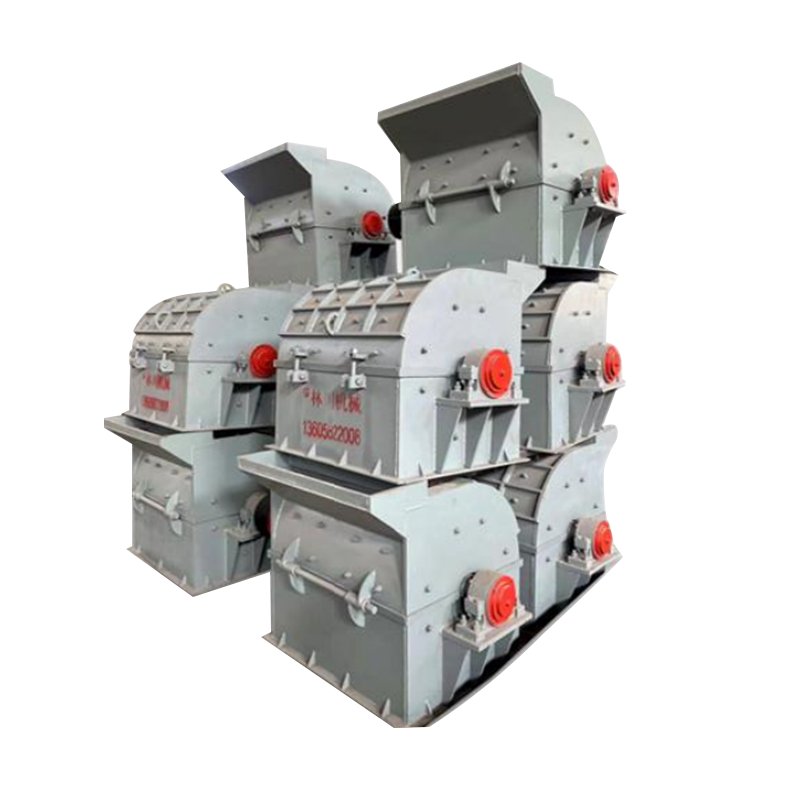
The hammer is the primary impact component in a Hammer Mill Rock Crusher, responsible for breaking materials through repeated high-speed impacts. Since the hammer constantly strikes hard rocks and minerals, wear is unavoidable. However, the rate of wear depends on several operational factors.
1. Material Hardness
Hard rocks such as granite, basalt, and quartz can accelerate hammer wear. The stronger impact forces required to break these materials increase the stress on the hammer surfaces.
2. Abrasiveness of the Ore
Materials containing abrasive minerals, such as silica, can gradually grind down the hammer surface during operation. This type of wear occurs even when the material is not extremely hard.
3. Quality of Hammer Materials
The durability of the hammer depends largely on the materials used in manufacturing. High manganese steel, alloy steel, or composite materials can improve wear resistance and extend service life.
4. Operating Conditions
High rotor speeds and heavy loads increase crushing efficiency but may also accelerate hammer wear. Operating within recommended parameters helps balance performance and durability.
5. Maintenance and Inspection
Regular inspection allows operators to detect wear early and replace damaged hammers before they affect crushing efficiency or cause equipment damage.
Although hammer wear is a normal part of operation, proper equipment management and high-quality materials can significantly extend the service life of crusher hammers and maintain efficient crushing performance.

 English